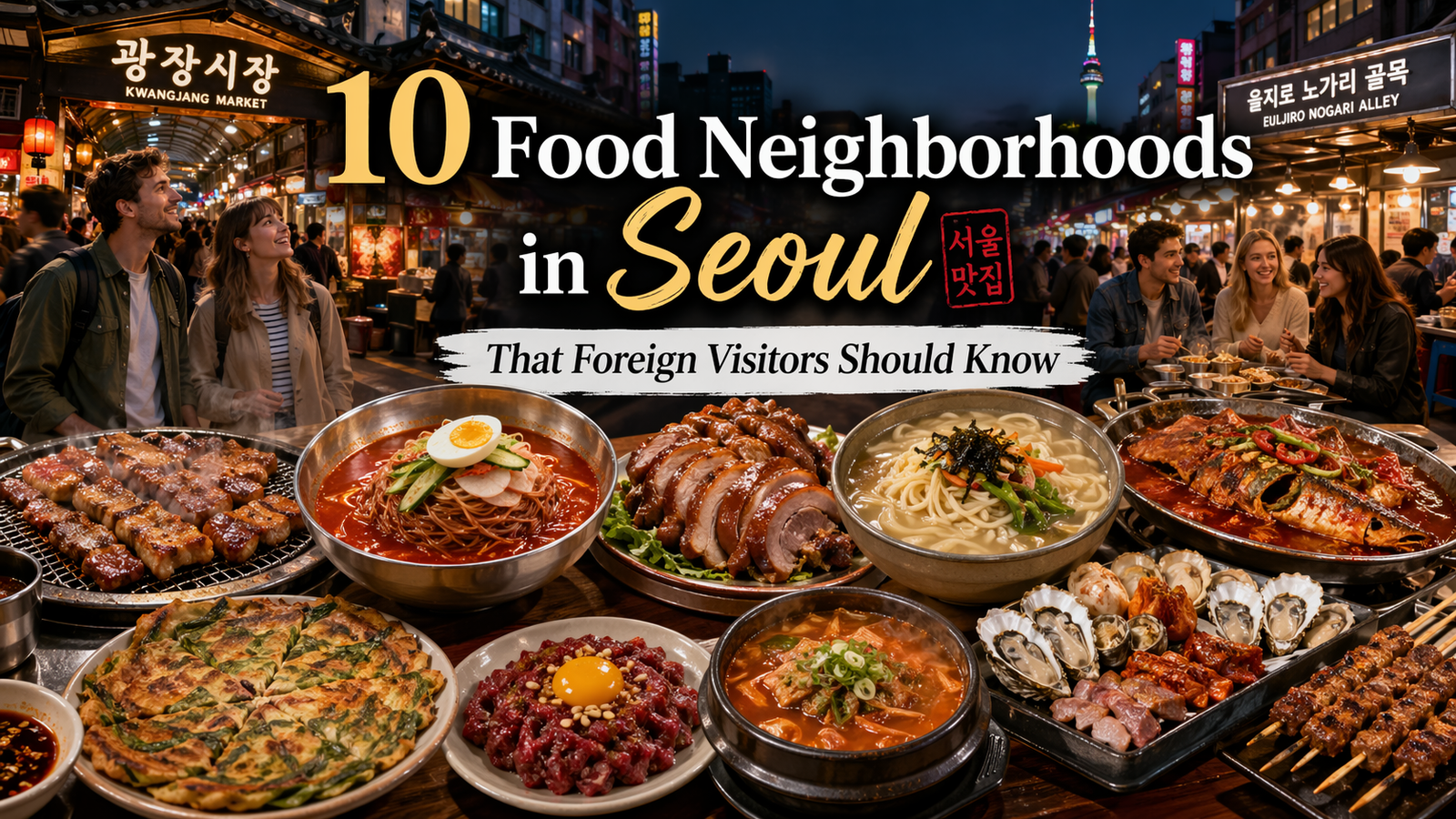
Seoul is not just a city of famous dishes. It is also a city of food neighborhoods, where certain streets, markets, and districts became closely tied to one signature meal over time.
For foreign visitors, this makes eating in Seoul much more interesting. Instead of simply searching for “best Korean food,” you can explore the city through the places that helped shape each dish’s identity.
In this guide, we focus on 10 Seoul food districts that are strongly associated with particular foods, from Mapo’s dwaeji galbi and Ojang-dong’s Hamheung naengmyeon to Namdaemun’s kalguksu and galchi-jorim and Noryangjin’s hoe and maeuntang. Some are famous alleys with a long history, while others are better understood as market-based food experiences.
Because these neighborhoods are spread across different parts of Seoul, it helps to understand the city’s subway, buses, and transport cards before planning a food-focused day. For a broader overview, read our guide to Transportation in Korea: Complete Guide for Tourists.
How We Picked These Places
We used a 100-point editorial system based on six signals:
Google rating
Review volume
Recent review trend
Consistency of review comments
Local reputation
First-time visitor friendliness
Each featured place in this guide includes a Selection Score out of 100. This is not an official Google score. It is our own editorial score built from publicly visible review signals and area reputation. Google rating is one of the main factors, but we do not rely on star ratings alone. We also consider whether a place truly represents the food identity of the neighborhood.
Score Guide
90–100: Signature Pick
85–89: Strong Pick
80–84: Recommended
75–79: Worth Trying
1) Mapo — Dwaeji Galbi
What It Is
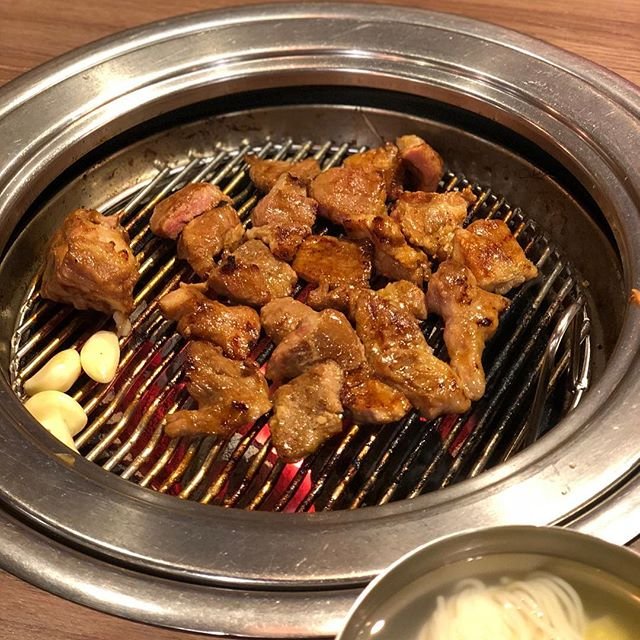
Dwaeji galbi is marinated pork ribs grilled over charcoal. For first-time visitors, it is one of the easiest Korean barbecue dishes to enjoy because the flavor feels familiar: sweet, savory, smoky, and rich without being too difficult or unusual.
Why This Area Is Famous
Mapo has long been associated with pork barbecue culture in Seoul, especially dwaeji galbi and jumulleok-style meat dishes. It remains one of the best places to understand why pork ribs still hold such a strong place in the city’s food identity.
Where to Try It
Jobakjip (조박집)
Address: 3, Tojeong-ro 37-gil, Mapo-gu, Seoul
Selection Score: 92/100 — Signature Pick
Jobakjip is the featured pick here not only because it is a famous name, but because it still feels deeply tied to the pork-rib identity of Mapo.
Aidan (the blog author) lives in this neighborhood, and Jobakjip is the kind of place where people regularly line up and wait. The pork ribs are the main reason to come, but the meal feels especially memorable because of the side dishes. The kimchi is excellent, and the cold dongchimi-guksu adds a clean, refreshing contrast that cuts through the richness of the meat beautifully.
Bongpiyang Mapo (봉피양 마포점)
Address: 50-4, Yonggang-dong, Mapo-gu, Seoul
Selection Score: 89/100 — Strong Pick
Bongpiyang Mapo is one of the most polished places to experience Mapo-style pork ribs in a more refined setting. The restaurant’s official branch information lists the Mapo location in Yonggang-dong, and the broader Bongpiyang brand is closely associated with both premium Korean barbecue and naengmyeon.
It is also reasonable to mention that Bongpiyang has past MICHELIN Guide recognition, because the MICHELIN Guide’s Seoul Bib Gourmand coverage explicitly included Bongpiyang, and the Guide also published Bongpiyang in its Michelin-recommended naengmyeon coverage. To keep the wording precise, it is better to say “Michelin-recognized in past guide coverage” rather than claim a current 2026 Michelin listing for this exact branch.
For foreign visitors, this makes Bongpiyang a strong choice if you want the Mapo dwaeji galbi experience in a restaurant that feels more spacious, established, and service-oriented than a purely old-school local spot. It may feel slightly less rough-edged and neighborhood-specific than Jobakjip, but it remains one of the area’s most respected names.
Woorimjip (우림집)
Address: 13, Tojeong-ro 37-gil, Mapo-gu, Seoul
Selection Score: 84/100 — Recommended
Woorimjip is a solid second-tier option for visitors who want another nearby Mapo-style pork rib restaurant with a strong local feel. It works well as an alternative if Jobakjip is crowded or if you want to compare different versions of the same neighborhood food tradition.
Why These Picks Work
For first-time visitors, this lineup gives three different ways to experience Mapo’s pork-rib culture.
Jobakjip is the most neighborhood-driven and emotionally memorable pick. Bongpiyang Mapo is the more refined and brand-recognized choice, especially for visitors who prefer a more polished dining environment. Woorimjip is the practical local alternative that keeps the focus on the district’s core food identity.
2) Ojang-dong — Hamheung Naengmyeon
What It Is
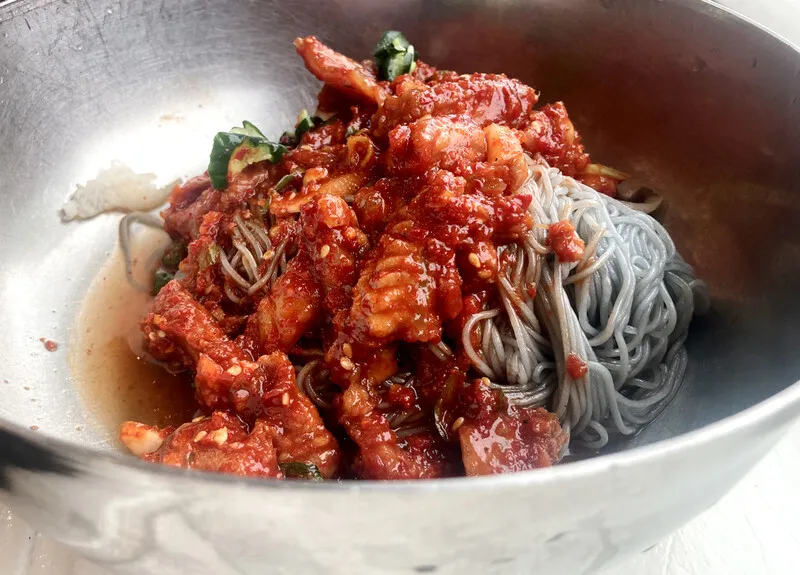
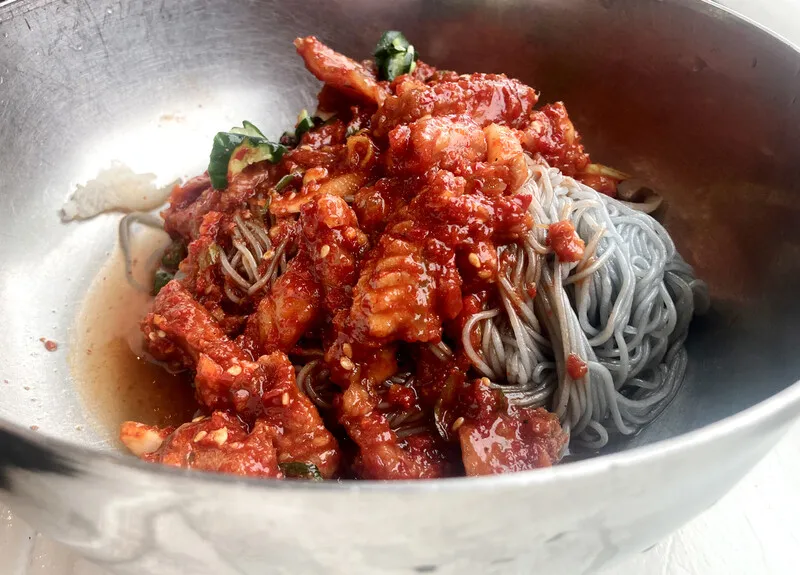
Hamheung naengmyeon is a spicy mixed cold noodle dish known for its chewy starch noodles and bold red seasoning. Compared with broth-based naengmyeon, it feels stronger, chewier, and more intense, which makes it especially memorable for first-time visitors.
Why This Area Is Famous
Ojang-dong is one of Seoul’s best-known neighborhoods for Hamheung naengmyeon. More than just a place with famous noodle shops, it is an area where the dish became deeply tied to neighborhood identity through long-running restaurants that helped preserve this tradition over decades.
Where to Try It
Ojangdong Heungnamjip (오장동 흥남집, Main Branch)
Address: 114 Mareunnae-ro, Jung-gu, Seoul
Selection Score: 90/100 — Signature Pick
Founded in 1953, Ojangdong Heungnamjip is widely regarded as one of the original landmark restaurants of Ojang-dong Hamheung naengmyeon. One of its biggest strengths is its continuity: the restaurant is known as a fourth-generation family business, which gives it more than 70 years of history.
What makes this place especially distinctive is its preparation style. Before serving, the noodles are quickly mixed with a soy-based seasoning, which gives them a slightly darker, glossy appearance. For many visitors, that visual difference alone makes the bowl feel more old-school and characterful than an ordinary spicy naengmyeon.
Another part of the experience is the table seasoning ritual. Sesame oil, sugar, and vinegar are typically provided at the table, allowing diners to adjust the balance to their own taste. That custom adds to the sense that this is not just a restaurant meal, but a preserved food tradition.
The signature order is hoe bibim naengmyeon, topped with spicy marinated skate, while seokkim naengmyeon is also popular for visitors who want both beef and fish toppings in one bowl. Even though there is often a line, turnover is known to be fairly quick, which makes it easier to recommend even to short-stay travelers.
Ojangdong Hamheung Naengmyeon (오장동함흥냉면)
Address: 108 Mareunnae-ro, Jung-gu, Seoul
Selection Score: 88/100 — Strong Pick
Ojangdong Hamheung Naengmyeon is another pillar of the neighborhood and stands right alongside Heungnamjip in Ojang-dong’s cold noodle story. It is often recognized as a long-established destination in its own right, and its reputation has been strengthened by repeated Michelin Bib Gourmand recognition.
Compared with Heungnamjip, many diners describe the seasoning here as a little more approachable, with a sweeter and tangier profile. The noodles are known for being thinner but still chewy, and the broth-side depth is often praised as well.
The most recommended order is hoe naengmyeon, where generous pieces of marinated skate pair with the springy noodles. Suyuk is also a strong supporting order if you want something mild and savory to balance the sharper, spicier flavors of the noodles.
For visitors, this is a very useful second pick because it offers a slightly different interpretation of the same neighborhood specialty. It is also practical in terms of access, since valet parking is available, though it is worth noting that the restaurant is closed on Tuesdays.
Why These Picks Work
These two restaurants show exactly why Ojang-dong deserves a place in a guide to Seoul’s food neighborhoods. Heungnamjip represents history, lineage, and a more old-school style with over 70 years of continuity. Ojangdong Hamheung Naengmyeon offers a similarly respected but slightly more accessible version of the dish, with its own long-standing reputation.
For foreign visitors, that combination is ideal. You are not just choosing one good cold noodle restaurant. You are stepping into one of the neighborhoods that helped define Hamheung naengmyeon as a Seoul destination dish.
3) Sillim-dong — Baek-sundae Bokkeum
What It Is
Sundae is Korean sausage, and in Sillim-dong the signature version is baek-sundae bokkeum, a stir-fried style with a nuttier and more savory flavor than many first-time visitors expect.
Why This Area Is Famous
Sillim-dong is widely known for Sundae Town, especially among locals looking for hearty late-night or budget-friendly food. This area shows a more local, less tourist-polished side of Seoul dining culture.
Where to Try It
Minsok Sundae Town (민속순대타운)
Address: 14, Sillim-ro 59-gil, Gwanak-gu, Seoul
Selection Score: 89/100 — Strong Pick
This is the clearest starting point for understanding the district because the destination itself is part of the experience.
Ttosuni Wonjo Sundae (또순이원조순대)
Address: 14, Sillim-ro 59-gil, Gwanak-gu, Seoul
Selection Score: 83/100 — Recommended
A good named option inside the better-known sundae cluster, especially for readers who prefer having a specific destination rather than choosing a random storefront.
4) Jangchung-dong — Jokbal
What It Is
Jokbal is soy-braised pig’s feet, usually sliced and served with wraps, garlic, and sauces. It may sound challenging at first, but many visitors are surprised by how rich, savory, and satisfying it is.
Why This Area Is Famous
Jangchung-dong is one of Seoul’s classic jokbal districts. It is one of the best places to explain how a food that sounds unfamiliar to outsiders can still become one of the city’s most beloved traditional shared meals.
Where to Try It
Pyeongandojip (평안도집)Address: 174-6 Jangchungdan-ro, Jung-gu, Seoul (Jangchung-dong 1-ga)
Selection Score: 88/100 — Strong Pick
A strong representative of the alley’s history and one of the best-known names for readers who want the classic Jangchung-dong jokbal experience.
Grandmother’s house in Jangchung-dong (장충동 할머니집)
Address: 174, Jangchungdan-ro, Jung-gu, Seoul
Selection Score: 82/100 — Recommended
A good second option that helps show this is still an active food district rather than a one-restaurant story.
5) Namdaemun Market — Kalguksu & Galchi-jorim
What It Is
Namdaemun Market is special because it is known for two very different but equally iconic comfort-food lanes. One is famous for kalguksu, hand-cut noodle soup. The other is famous for galchi-jorim, spicy braised hairtail fish served with rice.
Why This Area Is Famous
Namdaemun is not just a shopping market. It is also one of Seoul’s most recognizable places for old-market food culture. The contrast between noodle alley meals and braised fish meals gives visitors two distinct but equally memorable experiences in one area.
Where to Try It
Namdaemun Kalguksu Alley
Address: 42-1, Namdaemunsijang 4-gil, Jung-gu, Seoul
Selection Score: 90/100 — Signature Pick
In this case, the alley itself is the attraction. The best way to experience it is to step into one of the busy market noodle stalls and enjoy the atmosphere, pace, and close-table energy that define the area.
Huirak Galchi (희락갈치)
Address: 22-6, Namdaemun Market-gil, Jung-gu, Seoul
Selection Score: 89/100 — Strong Pick
This is the featured galchi-jorim pick and one of the best ways to understand why Namdaemun’s braised hairtail alley is so famous.
Jungang Galchi Restaurant (중앙갈치식당)
Address: 22-12, Namdaemunsijang-gil, Jung-gu, Seoul
Selection Score: 84/100 — Recommended
A strong second pick in the same fish alley for readers who want another reliable Namdaemun option.
Namdaemun Market is also easy to combine with nearby downtown stops such as Myeongdong, Seoul Station, Gwanghwamun, and Gwangjang Market. If you plan to visit several central Seoul areas in one day, preparing a transport card or city pass in advance can make the route much smoother.
Check Seoul transport cards and travel passes on Klook.
6) Gwangjang Market — Bindaetteok & Yukhoe
What It Is
Gwangjang Market is one of Seoul’s most famous traditional markets. Two of its most recognizable foods are bindaetteok, a crisp mung-bean pancake, and yukhoe, Korean-style raw beef.
Why This Area Is Famous
This market is ideal for foreign visitors because it combines comfort food and curiosity in one place. Bindaetteok is warm, savory, and easy to enjoy. Yukhoe is more adventurous, but also one of the most iconic foods tied to the market.
Where to Try It
Soonheenae Bindaetteok (순희네빈대떡)
Address: 5, Jong-ro 32-gil, Jongno-gu, Seoul
Selection Score: 90/100 — Signature Pick
A classic market stop and one of the easiest dishes in the area for first-time visitors to appreciate immediately.
Buchon Yukhoe (부촌육회)
Address: 200-12, Jong-ro, Jongno-gu, Seoul
Selection Score: 92/100 — Signature Pick
Buchon Yukhoe is one of the most recognizable yukhoe restaurants in Gwangjang Market and a strong pick for readers who want to try one of Seoul’s most talked-about raw beef dishes. Located around Gwangjang Market’s famous raw beef alley, it is especially known for fresh Korean-style beef tartare served with pear, sesame oil, and egg yolk.
What makes Buchon Yukhoe stand out is that it has been recognized by the MICHELIN Guide Seoul as a Bib Gourmand restaurant, a category highlighting good-quality food at good value. This makes it a useful recommendation for foreign visitors who want a market-style dining experience with extra credibility beyond social media popularity.
For first-time visitors, Buchon Yukhoe is a good choice if they want to experience traditional Korean yukhoe in one of Seoul’s most famous food markets. However, because it is a raw beef dish, travelers who are pregnant, immunocompromised, or uncomfortable with raw meat may want to choose cooked market foods instead.
7) Jongno 3-ga — Oyster Bossam
What It Is
Bossam is boiled pork served with kimchi and wraps. In Jongno 3-ga, the more distinctive local style is gul bossam, which adds oysters to the meal.
Why This Area Is Famous
Jongno 3-ga keeps a strong old-Seoul dining identity, and gul bossam is one of the foods that best reflects that atmosphere. It feels traditional, slightly adventurous, and deeply tied to the neighborhood.
Where to Try It
Janggun Oyster Bossam (장군굴보쌈)
Address: 22, Supyo-ro 20-gil, Jongno-gu, Seoul
Selection Score: 87/100 — Strong Pick
A strong featured pick for travelers who want a classic alley experience and a memorable pork-and-oyster combination.
Choebu Ja Bossam (최부자보쌈)
Address: 16-15, Supyo-ro 20-gil, Jongno-gu, Seoul
Selection Score: 82/100 — Recommended
A good second option in the same district and useful for readers comparing bossam spots in the area.
8) Cheongjin-dong — Haejangguk
What It Is
Haejangguk is often translated as “hangover soup,” but in Korea it is better understood as a category of restorative soups commonly eaten after drinking, early in the morning, or whenever people want a hot, filling meal. The word haejang means “to relieve a hangover,” and guk means soup.
However, haejangguk is not just one fixed dish. Different regions and restaurants serve very different versions, depending on the broth, main ingredient, and local food culture.
One of the most popular versions is ppyeo haejangguk, or pork bone hangover soup. This is made with large pork bones that still have tender meat attached to them.
The bones are simmered for a long time to create a rich, savory broth, and diners usually pull the meat off the bone with chopsticks. It is hearty, filling, and closer to a full meal than a light soup.
Another traditional style is seonji haejangguk, made with coagulated ox blood.
The texture can be unfamiliar to first-time visitors, but it has long been considered a classic Korean hangover soup. The broth is usually deep, earthy, and savory, often served with vegetables such as napa cabbage or soybean sprouts.
A lighter version is kongnamul haejangguk, or soybean sprout hangover soup.
This style is especially popular when people want something hot and refreshing rather than heavy. The broth is usually clear or lightly seasoned, with crunchy soybean sprouts that give the soup a clean and cooling finish.
Because of these differences, foreign visitors should understand that “haejangguk” can mean anything from a rich pork bone soup to a spicy ox-blood soup or a lighter soybean sprout soup. The best choice depends on how adventurous the traveler is and what kind of Korean food experience they want.
Why This Area Is Famous
Cheongjin-dong is one of the best places to introduce haejangguk as part of Seoul’s older downtown food culture. It is the kind of dish that reveals more about the city the more you understand the context around it.
Where to Try It
Cheongjinok (청진옥)
Address: 32, Jongno 3-gil, Jongno-gu, Seoul (183-1 Cheongjin-dong)
Selection Score: 88/100 — Strong Pick
The strongest historical anchor in this district and the best starting point for visitors curious about classic Seoul soup culture.
Heungjinok (흥진옥)
Address: 19-12 Jongno 5-gil, Jongno-gu, Seoul (Cheongjin-dong)
Selection Score: 81/100 — Recommended
A practical second option in central Seoul for readers exploring the area’s long-running soup traditions.
9) Konkuk University Area — Lamb Skewers
What It Is
Yang-kkochi, or lamb skewers, is not a classic Korean heritage dish in the same way as jokbal or tteokbokki, but it is absolutely part of contemporary Seoul food culture.
Why This Area Is Famous
Around Konkuk University, lamb skewer restaurants form one of Seoul’s best-known specialty dining areas. This section matters because it shows that Seoul’s food identity is not only about traditional dishes, but also about neighborhoods shaped by nightlife, student culture, and cross-cultural influence.
Where to Try It
Konkuk University Lamb Skewer Alley
Address: Konkuk University entrance area, Gwangjin-gu, Seoul
Selection Score: 86/100 — Strong Pick
In this case, the alley itself is the attraction. The best way to enjoy it is to walk through the area and choose one of the busy lamb-skewer restaurants at the center of the district.
10) Noryangjin Fish Market — Hoe & Maeuntang
What It Is
Noryangjin is best understood not as a single-restaurant destination, but as a full seafood-market experience. Visitors come here to choose seafood, eat hoe, and then finish with maeuntang, a spicy fish soup made from the remaining fish parts.
Why This Area Is Famous
This is one of the best places in Seoul to understand how Korean seafood dining works in practice. The value of Noryangjin is not only freshness. It is also the full meal flow and the energy of the market itself.
How to Experience It
Noryangjin Fisheries Wholesale Market
Address: 674, Nodeul-ro, Dongjak-gu, Seoul
Selection Score: 93/100 — Signature Pick
The best way to enjoy Noryangjin is to treat it as a step-by-step seafood experience.
Step 1: Choose seafood on the market floor.
Step 2: Have it prepared as hoe.
Step 3: Finish with maeuntang made from the remaining fish parts.
This is what makes Noryangjin so different from the other places in this guide. It is not just about one famous restaurant. It is about experiencing a whole seafood culture in one place.
Final Thoughts
One of the best ways to understand Seoul is through its food neighborhoods. A dish in Korea is often more than a recipe. It is also connected to a place, a street, a market, or a district that helped shape how people recognize and remember it.
If food is one of the main reasons for your trip, your hotel area can make a real difference. Staying near places like Jongno, Myeongdong, Mapo, or Dongdaemun can make it easier to visit several food neighborhoods without spending too much time in transit. For help choosing a convenient base, read our guide to Best Areas to Stay in Seoul for Tourists (2026 Guide).
If you are planning your Seoul food trip around markets and old downtown neighborhoods, hotel location can make your itinerary much easier. Areas such as Jongno, Myeongdong, Dongdaemun, and Mapo can be practical bases depending on which food districts you want to visit.
Compare Seoul hotel locations and prices on Trip.com before booking.
That is why this guide works better than a simple list of famous foods. It gives visitors a way to explore Seoul through both flavor and geography. You are not just eating Hamheung naengmyeon, jokbal, or hoe. You are visiting the neighborhoods that helped make those foods part of the city’s identity.