Chuseok is one of Korea’s most important traditional holidays. Often compared to Thanksgiving, it is a time when families return to their hometowns, share food, visit ancestors’ graves, and spend several days together.
In 2026, Chuseok falls around September 24–26. For travelers, this can be a memorable time to experience Korean culture—but it also requires more planning than an ordinary trip. Transportation gets busy, many small businesses close, and popular destinations may operate on special holiday schedules.
This guide explains what Chuseok means, what will be open or closed, and how to travel around Korea smoothly during the holiday.
What Is Chuseok?
Chuseok is based on the lunar calendar and takes place on the 15th day of the eighth lunar month. It celebrates the autumn harvest and family reunion.
Many Koreans travel from Seoul and other large cities to their hometowns. Families prepare ceremonial food, honor ancestors through a memorial ritual called charye, visit family graves, and share traditional dishes such as songpyeon—small half-moon rice cakes usually filled with sesame, beans, or sweet ingredients.
For visitors, Chuseok offers a chance to see a quieter, more family-centered side of Korea. However, it is not the easiest period for spontaneous travel.
Will Korea Be Closed During Chuseok?
Korea does not completely shut down during Chuseok, especially in Seoul, Busan, and other major tourist cities. But operating hours often change.
Large department stores, some local restaurants, family-run cafés, neighborhood markets, and small shops may close for one or more days. On the other hand, major tourist attractions, hotel restaurants, convenience stores, chain cafés, and many shopping districts usually remain available.
The key is to check each place before going. Do not assume that a restaurant, museum, attraction, or shopping center will follow its normal timetable.
Transportation During Chuseok: The Biggest Challenge
Chuseok is one of Korea’s busiest travel periods. Millions of people leave Seoul to visit family across the country, then return after the holiday.
Highways can experience heavy congestion, and train tickets for KTX, SRT, and intercity rail routes often sell out quickly. Express buses can also become difficult to book during the main holiday travel days.
If you plan to travel from Seoul to Busan, Gyeongju, Jeonju, Gangneung, Daegu, or another regional destination, book transport as early as possible.
For travelers who have not booked tickets, consider staying in Seoul or choosing destinations accessible by subway, local bus, or a shorter regional route.
Is Seoul a Good Place to Stay During Chuseok?
Yes. Seoul can actually be a comfortable choice during Chuseok if you prefer fewer crowds in some areas and do not need to travel long distances.
Many residents leave the city, so certain neighborhoods can feel calmer than usual. Public transportation in Seoul continues to operate, although schedules may be adjusted. Major attractions such as palaces, museums, parks, shopping streets, and riverside areas are often still accessible.
Good activities during Chuseok include:
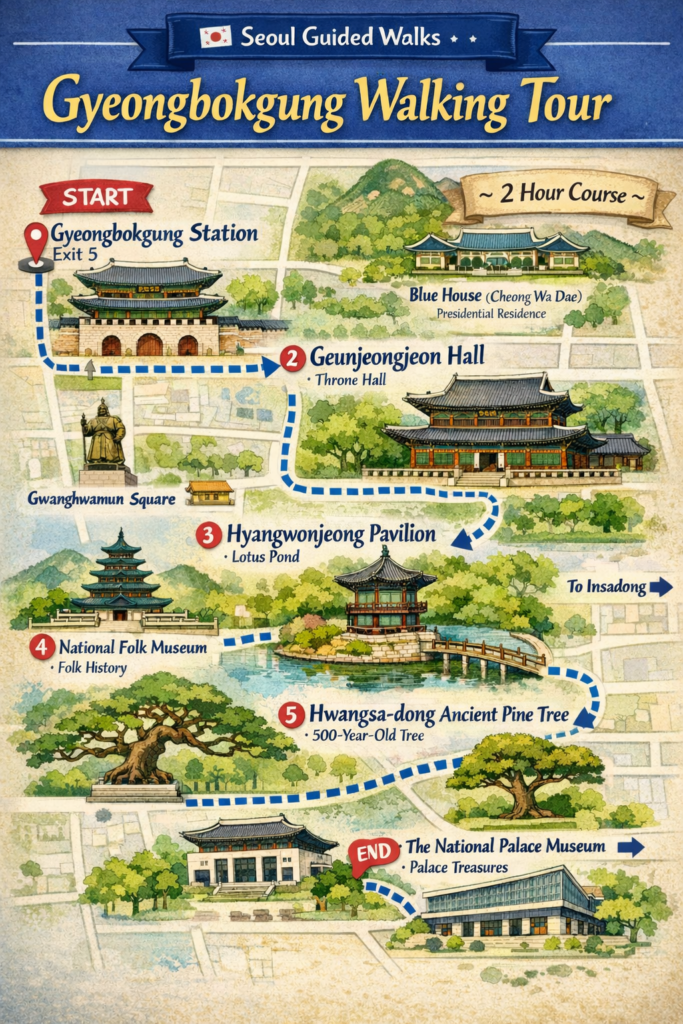
Visiting Gyeongbokgung Palace or Changdeokgung Palace
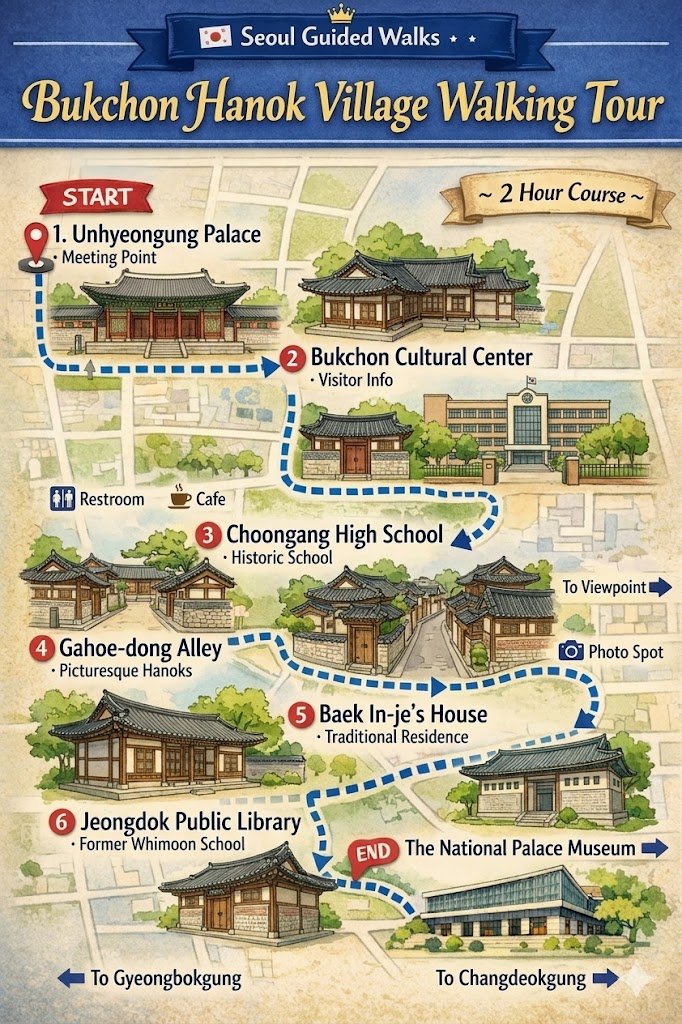
Walking around Bukchon Hanok Village
Exploring Insadong and Ikseon-dong
Taking a walk beside the Han River
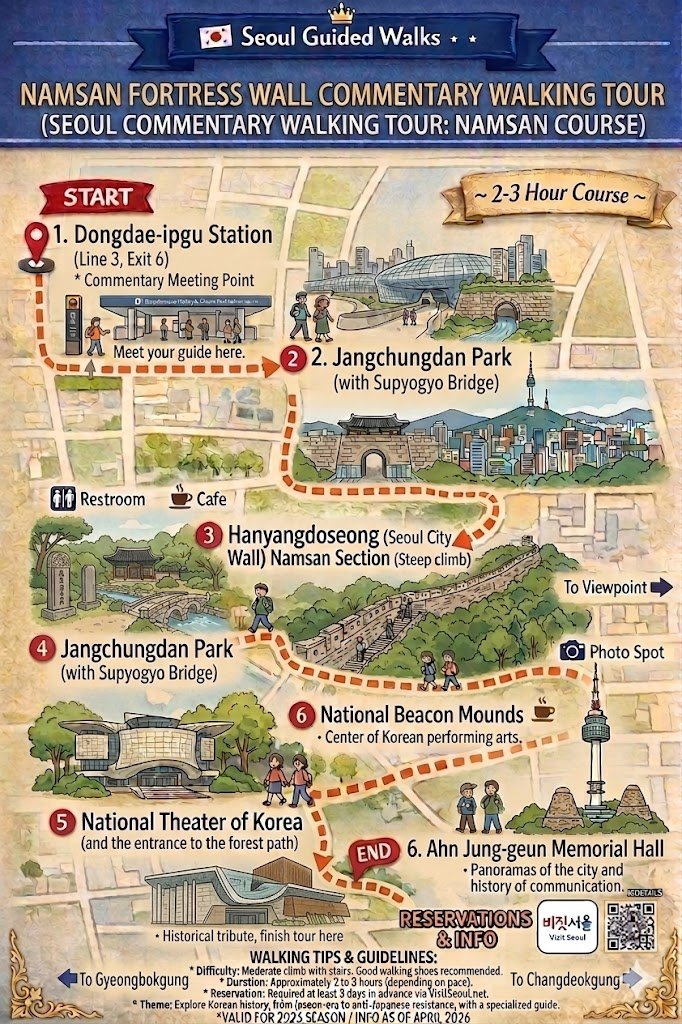
Visiting Namsan Seoul Tower
Enjoying cafés in Hongdae, Seongsu, or Yeonnam-dong
Exploring large shopping complexes and department stores
Before visiting a specific attraction, always check its official holiday schedule.
What Food Should You Try During Chuseok?
The most famous Chuseok food is songpyeon. These rice cakes are traditionally steamed over pine needles and are often filled with sesame seeds, sweet red beans, chestnuts, or other seasonal ingredients.
You may also find dishes such as jeon, Korean-style savory pancakes made with vegetables, seafood, meat, or tofu. Fresh fruit, Korean beef, rice wine, and various side dishes are common on family tables.
During the holiday, department stores, traditional markets, and food shops may sell special Chuseok gift sets. These can include fruit boxes, Korean snacks, premium meat, tea, health products, and traditional sweets.
Can Tourists Join Chuseok Cultural Activities?
Sometimes. Museums, palaces, cultural centers, and local governments may organize holiday programs such as traditional games, folk performances, hanbok experiences, rice-cake making, or craft workshops.
Events vary each year, and schedules are usually announced closer to the holiday. If you are interested in cultural activities, check Seoul tourism information, local city tourism offices, or the official website of the attraction you plan to visit.
Traditional games you may encounter include yutnori, a board game played with four wooden sticks, and folk activities such as ganggangsullae, a traditional circle dance associated with the harvest season.
Tips for Restaurants, Shopping, and Daily Travel
Planning ahead will make your Chuseok trip much easier.
First, save a few restaurant options near your hotel. Smaller local restaurants may close, especially outside central tourist areas. Chain restaurants, food courts, hotel dining, and convenience stores are often more reliable.
Second, keep extra snacks, water, and basic supplies with you when traveling outside Seoul. Service areas on highways can become crowded, and regional stores may have limited hours.
Third, check transportation schedules the day before you travel. Holiday service times can differ from standard weekday or weekend schedules.
✅ Use our guide to taxis in Korea and Kakao T when public transport is crowded or your route becomes complicated.
Should You Visit Korea During Chuseok?
Yes—if you plan carefully.
Chuseok can be a wonderful time to visit Korea for travelers who enjoy cultural experiences, quieter city streets, autumn weather, and traditional food. It is especially suitable for visitors staying mainly in Seoul or another major city.
However, it may not be ideal for travelers who want maximum flexibility, last-minute train travel, or access to every local business. The biggest challenges are sold-out transport, traffic congestion, and holiday closures.
The best approach is simple: secure your transportation early, confirm opening hours, keep your itinerary flexible, and enjoy the holiday atmosphere rather than trying to travel at peak speed.
Final Thoughts
Chuseok is not just a public holiday in Korea. It is a meaningful period of family, tradition, food, and remembrance.
For visitors, a little preparation goes a long way. Plan your transport in advance, expect some closures, and leave room in your schedule for unexpected changes. With the right approach, Chuseok 2026 can become one of the most memorable parts of your Korea trip.
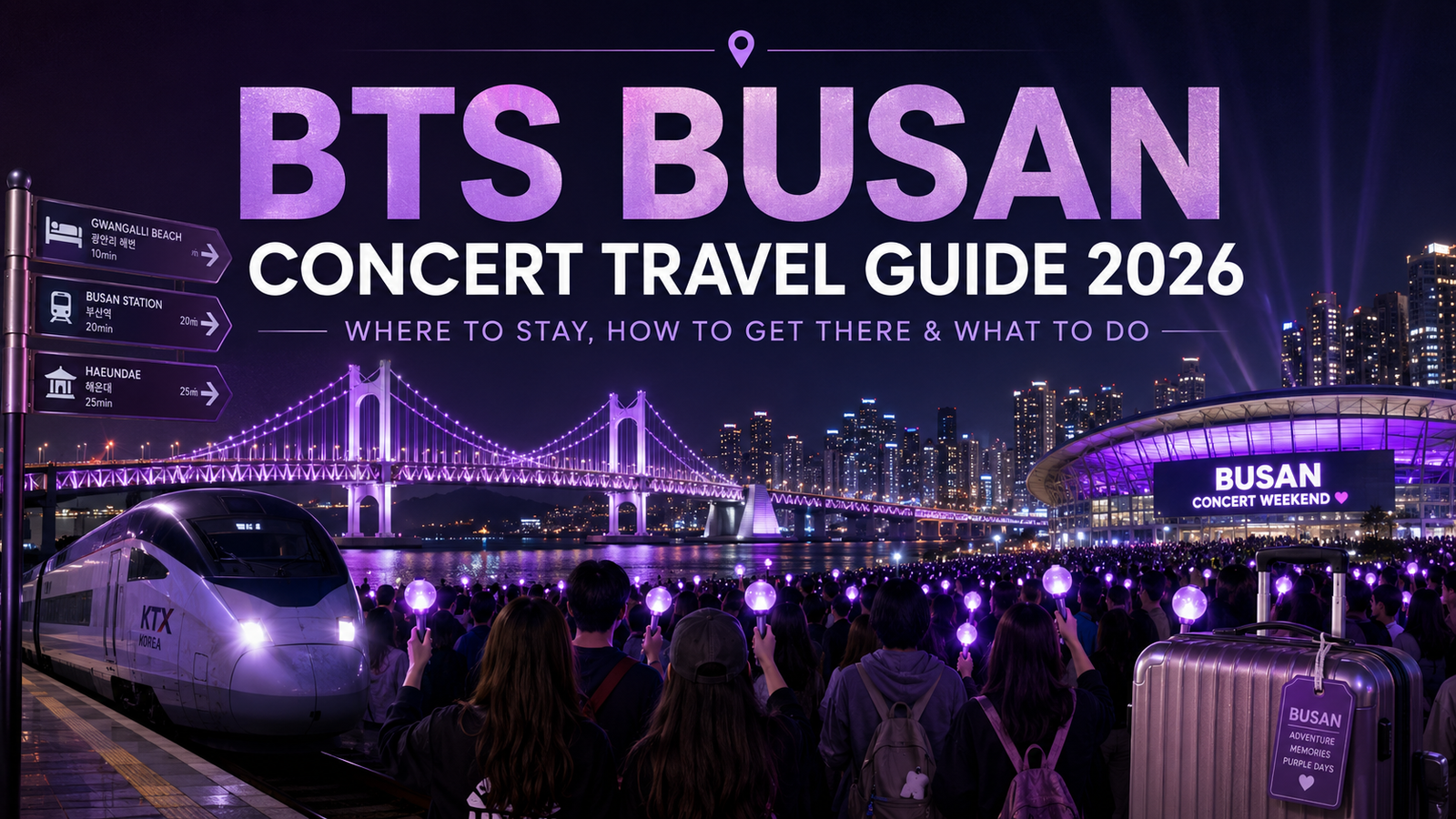
BTS is returning to Busan in June 2026, and for ARMY around the world, this is not just another concert trip.
It is a chance to experience BTS in Korea, feel the energy of Busan, meet fans from different countries, and turn one concert weekend into a meaningful travel memory.
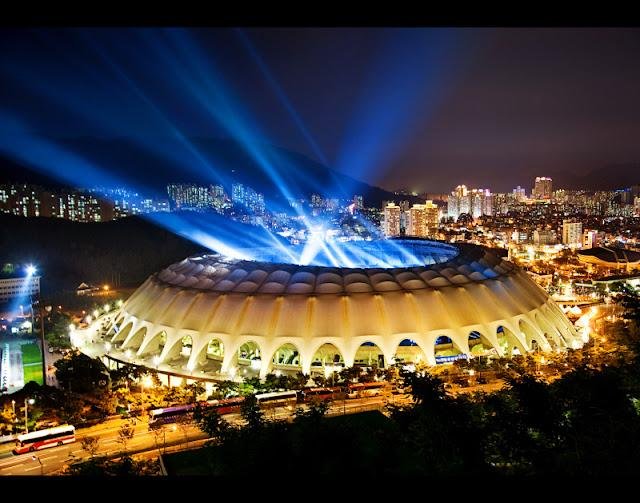
The BTS WORLD TOUR ‘ARIRANG’ IN BUSAN is scheduled for June 12 and June 13, 2026, at Busan Asiad Main Stadium, with both shows starting at 7:00 PM KST. The official BTS tour page lists Busan Asiad Main Stadium for June 12 and June 13, and Korean ticket information confirms the venue, time, age limit, and NOL Ticket as the official ticket seller.
This guide is written for international ARMY members who are planning to travel to Korea for the Busan concert. Instead of only explaining the concert venue, this guide will help you plan the full journey: where to stay, how to get to Busan, how to reach the stadium, what to do before and after the show, and how to prepare for a very busy concert weekend in Korea.
BTS Busan Concert 2026: Key Details
Here are the basic details confirmed so far.
Item
Details
Event
BTS WORLD TOUR ‘ARIRANG’ IN BUSAN
Dates
June 12–13, 2026
Time
7:00 PM KST
Venue
Busan Asiad Main Stadium
City
Busan, South Korea
Official ticket seller
NOL Ticket
Online streaming
Available through Weverse Concerts
Age limit
9 years and older
The Weverse Concerts page also lists online live streaming for both June 12 and June 13, opening at 6:00 PM KST and starting at 7:00 PM KST. This means fans who cannot attend in person may still have an official way to watch the show online.
However, if you are planning to attend in person, you should prepare early. Busan will likely be extremely busy around the concert dates, especially near the stadium, Busan Station, Seomyeon, Haeundae, and Gwangalli.
Why Busan Is Special for BTS Fans
Busan is already one of South Korea’s most loved travel cities, but for BTS fans, it has even more meaning.
It is the hometown of Jimin and Jungkook, and many international ARMY members already include Busan in their Korea travel plans because of its connection to BTS, its ocean views, night scenery, seafood markets, and relaxed coastal atmosphere.
During the concert period, Busan is expected to become a citywide festival destination. Busan Metropolitan City has announced large-scale entertainment content connected to BTS WORLD TOUR ‘ARIRANG’ in Busan, aiming to create a citywide atmosphere for fans before and during the concert weekend.
This is why your trip should not be planned as only “go to the stadium and leave.” If you plan well, Busan can become one of the most memorable parts of your entire Korea trip.
Where Is Busan Asiad Main Stadium?
Busan Asiad Main Stadium is located in Yeonje-gu, Busan. It is part of the Busan Sports Complex area and is one of the city’s major stadium venues.
For public transportation, the most practical subway stations are usually:
Both are connected to the stadium area, but on concert day, you should expect heavy crowds, long walking lines, controlled entrances, and possible route guidance from staff.
Do not plan to arrive at the venue at the last minute. For a major BTS concert, arriving “just one hour before” may feel too rushed, especially if you need to find your gate, use the restroom, buy merchandise, take photos, or meet friends.
A safer plan is to arrive in the stadium area several hours before the show.
Best Areas to Stay in Busan for the BTS Concert
Choosing the right area to stay in Busan is one of the most important decisions for this trip.
If you are still comparing hotel areas, budget ranges, and booking timing for your Korea trip, our How Much Does Accommodation Cost in South Korea in 2026? guide can help you understand typical accommodation prices before concert demand increases.
The best area depends on your travel style: convenience, nightlife, beach views, shopping, or easy transport.
1. Seomyeon: Best Overall Area for First-Time Visitors
Seomyeon is one of the best areas to stay for international fans because it is central, lively, and well connected by subway
.
It is not directly next to the stadium, but it gives you easier access to many parts of Busan. You can reach shopping streets, restaurants, cafes, convenience stores, and subway lines easily.
Seomyeon is especially good if:
This is your first time in Busan
You want restaurants and cafes near your hotel
You plan to explore Busan before or after the concert
You want a balanced location between the stadium, Busan Station, and beach areas
For many international visitors, Seomyeon is the safest choice because it is practical rather than too isolated.
Best for: first-time visitors, solo travelers, friends, fans who want convenience.
2. Busan Station Area: Best for KTX Travelers
If you are coming from Seoul by KTX, staying near Busan Station can be very convenient.
This area is practical for travelers who arrive late, leave early, or plan to move between Seoul and Busan quickly. It is also useful if your Korea itinerary includes Seoul before or after the BTS concert.
Busan Station is not the most “beautiful” area of the city, but it is one of the most convenient transport bases.
Stay near Busan Station if:
You are arriving by KTX from Seoul
You have large luggage
You are leaving Busan early the next morning
You want easy access to trains and taxis
Best for: KTX travelers, short stays, practical itineraries.
3. Haeundae: Best for Beach, Hotels, and a Vacation Feeling
Haeundae is Busan’s most famous beach area. It has many hotels, restaurants, cafes, and a more international vacation atmosphere.
It is farther from the stadium than Seomyeon, but many visitors still choose Haeundae because it feels like a proper Busan trip. If you are staying several nights, Haeundae can make your concert trip feel more like a holiday.
Haeundae is especially good if:
You want to enjoy the beach
You prefer modern hotels
You are staying in Busan for more than one night
You want to relax before or after the concert
The downside is that travel time to and from the stadium may be longer, especially after the concert when many fans are trying to move at the same time.
Best for: beach lovers, couples, longer stays, fans who want a vacation mood.
4. Gwangalli: Best for Night Views and Post-Concert Atmosphere
Gwangalli is famous for its view of Gwangan Bridge, also called Diamond Bridge. It has a beautiful night view, many cafes, restaurants, and a youthful atmosphere.
During the BTS concert period, Gwangalli may become even more meaningful because BTS THE CITY ARIRANG Busan includes a drone light show at Gwangandaegyo Bridge on June 12 and June 13, according to the Weverse notice.
Gwangalli is a great choice if you want to enjoy Busan’s night scenery after the concert weekend, but you should not assume it will be quiet. It may be crowded with fans and tourists.
Best for: night views, photos, cafes, emotional post-concert memories.
5. Sajik / Sports Complex Area: Best for Stadium Proximity
Staying near the stadium can reduce your travel stress on concert day.
However, this area may have fewer hotel options compared with Seomyeon, Haeundae, or Busan Station. It may also become expensive or fully booked early.
Stay near Sajik or the Sports Complex area if:
Your top priority is being close to the venue
You do not care much about beach or nightlife
You want to minimize subway movement after the show
Best for: concert-first travelers, fans who want the simplest stadium access.
Recommended Hotel Strategy for ARMY
For most international ARMY members, I would recommend this order:
Seomyeon if you want the best balance
Busan Station if you are using KTX
Haeundae if you want a beach vacation feeling
Gwangalli if you want night views and photo spots
Sajik / Sports Complex if you want to stay close to the stadium
Concert weekends can make hotels in Busan more expensive or harder to book, especially near major transport areas and tourist districts.
Compare Busan hotels on Trip.com before booking your BTS concert trip, especially if you plan to stay near Seomyeon, Busan Station, Haeundae, or Gwangalli.
Some travelers may also fly directly to Gimhae International Airport, which is the main airport for Busan.
Option 1: Seoul to Busan by KTX
The KTX is one of the most popular ways to travel from Seoul to Busan.
You can take the KTX from Seoul Station to Busan Station. The journey usually takes around 2.5 to 3 hours depending on the train.
This is often the best option if:
You arrive in Korea through Incheon Airport
You want to spend time in Seoul before Busan
You prefer city-center to city-center travel
You have a clear schedule
For concert week, book your train as early as possible. Seats may sell out or become limited because many fans may travel from Seoul to Busan around the same dates.
Option 2: Fly to Gimhae International Airport
If you can find a direct or connecting flight to Gimhae International Airport, this may be easier because you arrive directly in the Busan area.
From Gimhae Airport, you can move into Busan by light rail, subway, taxi, or airport transport depending on your hotel location.
This option may be better if:
You are flying from another Asian city
You do not need to visit Seoul first
You want to reduce long-distance travel inside Korea
Option 3: Express Bus from Seoul to Busan
Express buses are usually cheaper than KTX, but the travel time is much longer.
This option is possible, but for a major concert trip, it may not be the most comfortable choice unless you are on a tight budget.
If you take a bus, avoid arriving in Busan too close to the concert time. Traffic, fatigue, and luggage can make the day stressful.
How to Get from Busan Station to the Stadium
If you arrive at Busan Station by KTX, you can use the subway, taxi, or shuttle services if available.
On normal days, taxis may be convenient. But on BTS concert day, you should be careful. Traffic around the stadium may be controlled, and taxis may not be able to drop you exactly where you want.
A better approach is:
Use subway as close as possible to the stadium area
Follow official crowd guidance
Arrive early
Avoid relying only on taxis after the show
Some travel platforms are already listing concert shuttle bus options between downtown Busan and the BTS concert venue, including boarding points such as Busan Station, Seomyeon, and Haeundae. Klook, for example, lists a round-trip shuttle bus service for the 2026 BTS Busan concert.
If you prefer not to worry about subway transfers after the concert, check whether a Busan concert shuttle or transport option is available through Klook before your travel date.
Concert Day Tips for International ARMY
A BTS concert in Korea is exciting, emotional, and unforgettable. But it can also be physically tiring if you are not prepared.
Here are practical tips to make your concert day smoother.
Arrive Early
Do not arrive just before the show.
You may need time for:
Subway exit crowds
Walking to the stadium
Ticket or entry checks
Bag checks
Restrooms
Merchandise lines
Meeting friends
Taking photos
For a 7:00 PM show, it is wise to be in the stadium area by mid-afternoon or earlier, depending on your plans.
Prepare Mobile Data Before You Go
Mobile data is essential in Korea, especially on concert day.
You may need it for:
Maps
Subway routes
Translation apps
Messaging friends
Checking official notices
Calling taxis
Finding your hotel
Accessing QR codes or booking confirmations
Do not depend only on free Wi-Fi. Stadium areas and crowded places can be difficult, and public Wi-Fi may not be stable enough when thousands of fans are using their phones.
Before traveling to Korea, prepare an eSIM so you can use maps, translation apps, and transport information as soon as you arrive. Check South Korea eSIM options with Saily before your trip.
Bring a Portable Charger
Your phone battery will disappear faster than you expect.
You may use your phone for photos, videos, maps, ticket information, chat messages, translations, and social media. A portable charger is not optional for a concert day in Korea. It is essential.
Wear Comfortable Shoes
You may stand, walk, wait, queue, and walk again.
Even if your outfit is important, choose shoes that you can actually wear for a long day. Busan has hills in many areas, and concert crowds can make movement slower than usual.
Check Official Notices Often
Concert rules can change.
Bag rules, entry gates, merchandise hours, event zones, and safety instructions may be updated close to the concert date. Always check official sources such as Weverse, the official BTS tour page, and the official ticket seller before your concert day.
BTS THE CITY ARIRANG Busan: What to Know
The Busan concert is not only about the stadium.
BTS THE CITY ARIRANG Busan includes citywide programs such as a welcome center, ARMY-related events, stamp rally elements, landmark lighting, and a drone light show. Forbes reported that THE CITY ARIRANG Busan includes installations, hotel packages, off-site events, a stamp rally, and other programs across Busan, with some activities requiring advance reservations.
The Weverse notice also lists a Drone Light Show at Gwangandaegyo Bridge on June 12 and June 13 at 10:00 PM KST.
This means you should not plan your Busan trip too tightly. If possible, stay at least two nights so you can enjoy both the concert and the citywide BTS atmosphere.
What to Do in Busan Before or After the BTS Concert
Busan is one of the best cities in Korea for a concert trip because it has beaches, seafood, night views, markets, cafes, and cultural neighborhoods.
Here are some places to consider.
Haeundae Beach
Haeundae is Busan’s most famous beach.
It is a good place to walk, relax, take photos, and enjoy the ocean before or after the concert. If your concert day is too busy, visit Haeundae the next morning.
This area is also full of hotels, cafes, and restaurants, making it a comfortable base for international travelers.
Gwangalli Beach
Gwangalli is one of the most beautiful night-view spots in Busan.
The view of Gwangan Bridge is especially popular, and during the BTS concert period, the area may feel even more special because of BTS-related city events.
If you want emotional post-concert photos, Gwangalli is one of the best places to go.
Gamcheon Culture Village
Gamcheon Culture Village is known for colorful houses, murals, small alleys, cafes, and photo spots.
It is not next to the stadium, so do not visit it right before the concert unless you have plenty of time. It is better for the day before or the day after the show.
Jagalchi Market
Jagalchi Market is one of Korea’s most famous seafood markets.
If you want a very Busan-style food experience, this is a classic place to visit. It is near Nampo-dong, so you can combine both areas in one trip.
Nampo-dong and BIFF Square
Nampo-dong is good for street food, shopping, and an older downtown Busan atmosphere.
BIFF Square is famous for snacks and a lively street mood. It is a good choice if you want a more local and casual Busan experience.
Busan Tower and Yongdusan Park
If you want a city view without going too far into nature, Busan Tower and Yongdusan Park can be a simple addition to your itinerary.
It works well with Nampo-dong and Jagalchi Market.
Sample 3-Day BTS Busan Concert Itinerary
Here is a simple itinerary for international ARMY.
Day 1: Arrive in Busan
Arrive at Busan Station or Gimhae Airport.
Check into your hotel in Seomyeon, Busan Station, Haeundae, or Gwangalli.
In the evening, take a light walk around your hotel area. Do not over-plan the first day, especially if you have a long flight or train journey.
Recommended areas:
Seomyeon for food and cafes
Haeundae for beach
Gwangalli for night views
Nampo-dong for street food
Day 2: Concert Day
Start slowly in the morning.
Eat properly, charge your phone, prepare your ticket information, check your bag, and leave early for the stadium.
Arrive in the stadium area several hours before the concert.
After the show, do not rush. Follow crowd control instructions and expect subway stations and roads to be crowded.
If you plan to see the Gwangalli drone light show or night view, check the timing carefully and make sure you can move safely.
Day 3: Busan Travel Day
Use the day after the concert to enjoy Busan more slowly.
Recommended routes:
Haeundae + Gwangalli
Gamcheon Culture Village + Nampo-dong + Jagalchi Market
Busan Station area + local cafes + shopping
Relaxed brunch and souvenir shopping before returning to Seoul
June in Korea can be warm and humid, and rain is possible. Check the weather before you leave your hotel.
Safety Tips for Solo ARMY Travelers
Many international fans travel alone for K-pop concerts in Korea. Busan is generally a popular tourist city, but you should still prepare carefully.
Share your hotel location with someone you trust
Keep your passport safe
Do not carry too much cash
Save your hotel address in Korean
Use official taxis or reliable transport apps
Avoid following strangers to unofficial ticket or merchandise deals
Stay in public areas after the concert
Check the last subway time if you are not using a shuttle
If you are traveling from far away, travel insurance can also be useful, especially if your trip includes flights, hotel bookings, crowds, weather changes, or medical concerns.
For longer Korea trips, you may want to compare travel insurance before departure, especially if you are combining the BTS concert with Seoul, Busan, or other cities.
Important Reminder About Tickets
Only use official ticketing channels and official announcements.
For the Busan concert, official Korean ticket information lists NOL Ticket as the exclusive ticket seller.
Be very careful with unofficial resale offers, social media messages, and unknown payment links. BTS tickets are extremely high-demand, and scammers may target international fans who are unfamiliar with Korean ticketing systems.
Before paying for anything, check:
Official BTS channels
Weverse notices
NOL Ticket
Official tour page
Your ARMY Membership instructions if applicable
Should You Stay in Seoul or Busan?
If your main purpose is the BTS Busan concert, you should stay in Busan at least for the concert night.
Trying to return to Seoul immediately after the show is not recommended. The concert ends late, transport will be crowded, and you may feel tired.
A better plan is:
Arrive in Korea through Seoul
Spend 1–3 days in Seoul
Take KTX or a flight to Busan
Stay in Busan for the concert
Return to Seoul after the concert weekend
This gives you a much more comfortable trip.
If you are visiting Korea for the first time, combining Seoul and Busan is a great idea. Seoul gives you palaces, shopping, K-pop-related spots, cafes, and city energy. Busan gives you beaches, seafood, night views, and a more relaxed coastal atmosphere.
Final Thoughts: Make It More Than a Concert
The BTS Busan concert in 2026 is more than a music event.
For many ARMY members, it may be their first time visiting Korea. For others, it may be a long-awaited return. Either way, Busan can become a powerful memory if you plan the trip carefully.
Choose your hotel area wisely. Prepare your mobile data before arrival. Book transport early. Arrive at the stadium with enough time. Leave room in your schedule for Busan’s beaches, night views, food, and BTS-themed city events.
Most importantly, do not make your trip too rushed.
A concert lasts a few hours, but the journey around it can become something you remember for years.
Busan in June 2026 will not just be a city hosting BTS.
For a few unforgettable days, it may become one of the most emotional places in the world for ARMY.
Summer in South Korea can be hot, humid and intense — but it is also one of the most exciting seasons to travel around the country.
From urban water playgrounds in Seoul to mud festivals by the beach, outdoor music festivals, chicken-and-beer nights, mountain river events and regional night festivals, Korea offers many different ways to enjoy the summer.
This guide is designed for foreign visitors who want practical information, not just festival names.
For each festival, you will find:
2026 dates
Location
Whether it is free or paid
Where to check tickets
Official website or inquiry information
How to get there from Seoul
Whether you should stay overnight
Festival schedules, ticket rules and program fees can change because of weather, crowd control or local government decisions. Always check the official website before booking transport, hotels or paid tickets.
For foreign-language travel assistance in Korea, you can also contact the 1330 Korea Travel Hotline.
Quick Comparison: Best Summer Festivals in Korea 2026
Festival
2026 Dates
Location
Admission
Best For
Seoul Summer Beach
July 10 – August 8
Gwanghwamun Square, Seoul
Usually free / program-based
Easy Seoul water fun
WATERBOMB Seoul
July 24 – July 26
Venue TBA
Paid ticket
K-pop, EDM, water party
Boryeong Mud Festival
July 24 – August 9
Daecheon Beach, Boryeong
Paid zones
Korea’s most famous summer festival
Daegu Chimac Festival
July 1 – July 5
Duryu Park, Daegu
Free entry / some paid zones
Chicken, beer and summer nights
Jeongnamjin Jangheung Water Festival
July 25 – August 2
Jangheung, Jeollanam-do
Free entry / paid programs may apply
Water fights and river fun
Pyeongchang Summer Hunter Festival
Check official site
Pyeongchang, Gangwon-do
Program-based
Mountain escape and family fun
Bonghwa Sweetfish Festival
July 25 – August 2
Bonghwa, Gyeongsangbuk-do
Program-based
Fish-catching and local nature
Taebaek Headwaters Festival
Check official site
Taebaek, Gangwon-do
Usually free / program-based
Cool mountain-city summer
Incheon Pentaport Rock Festival
July 31 – August 2
Songdo, Incheon
Paid ticket
Rock and live music fans
Daejeon 0 O’Clock Festival
August 7 – August 17
Downtown Daejeon
Usually free street festival
Night festival and K-culture
Because many summer festivals in Korea require trains, intercity buses, local buses or taxis, first-time visitors may also want to read our Transportation in Korea: Complete Guide for Touristsbefore planning a festival route.
1. Seoul Summer Beach 2026 — Urban Water Fun in Gwanghwamun
Seoul Summer Beach is one of the easiest summer festivals to visit if you are staying in Seoul.
Held at Gwanghwamun Square, the festival turns one of Seoul’s most famous public spaces into a temporary urban summer beach with pools, water attractions, slides, rest areas and summer-themed installations. The 2026 Seoul official festival page lists the event from July 10 to August 8 at Gwanghwamun Square.
This is a good choice for travelers who want a light summer experience without leaving the city.
Festival Info for Visitors
Dates: July 10 – August 8, 2026
Location: Gwanghwamun Square, Seoul
Admission: Usually free to enter. Some programs or special facilities may operate with separate rules depending on the year.
Tickets: No major advance ticket is usually required for general entry, but visitors should check the official Seoul festival page before visiting.
Official Website: Seoul official festival page / FUN SEOUL
Inquiries: Seoul Dasan Call Center 120 For foreign visitors, use the 1330 Korea Travel Hotline.
How to Get There from Seoul
Take Seoul Subway Line 5 to Gwanghwamun Station and walk directly to Gwanghwamun Square.
You can also use:
City Hall Station on Line 1 or Line 2
Jonggak Station on Line 1
Gyeongbokgung Station on Line 3
This area is central, walkable and easy to combine with Gyeongbokgung Palace, Cheonggyecheon Stream, Sejong Center and nearby museums.
Stay Overnight?
Not necessary if you are already staying in Seoul.
2. WATERBOMB Seoul 2026 — Korea’s Biggest Water Music Festival
WATERBOMB Seoul is a paid summer music festival that combines water fights, stage performances, K-pop, hip-hop and EDM-style festival culture.
This is not a family water-play event. It is a high-energy music festival where visitors should expect loud performances, crowds, water cannons and a party-like atmosphere.
The official WATERBOMB website lists Seoul dates as July 24–26, 2026, with ticket and shuttle-bus menus available on the official site. The website also lists the operating company phone number 0507-1384-3071 and a contact page with info@waterbombfestival.com.
Festival Info for Visitors
Dates: July 24 – July 26, 2026
Location: Check the final venue on the official WATERBOMB website before departure.
Admission: Paid ticket required.
Tickets: Buy only through the official WATERBOMB ticket page or officially designated ticket platforms.
Official Website: WATERBOMB Korea official website
If the event is held at or near KINTEX in Goyang, take Seoul Subway Line 3 to Daehwa Station, then transfer by local bus, taxi or shuttle if provided.
If the final venue changes, follow the official transportation notice on the WATERBOMB website. Shuttle buses may be available through the official festival site.
Stay Overnight?
Maybe.
If the venue is outside central Seoul and you plan to stay until the last performance, consider booking accommodation near the venue or in northwest Seoul.
Important Note
Check the official rules for:
Age policy
Ticket transfer rules
Dress code or recommended clothing
Prohibited items
Locker availability
Refund policy
Shuttle-bus tickets
3. Boryeong Mud Festival 2026 — Korea’s Most Famous Summer Festival
Boryeong Mud Festival is probably Korea’s most internationally famous summer festival.
Held at Daecheon Beach in Boryeong, the festival features mud slides, mud pools, mud obstacle zones, family zones, beachside programs and performances. The official ticket information page lists the 2026 festival dates as July 24 to August 9 at Daecheon Beach Mud Expo Square.
This is one of the best summer festivals in Korea for foreign travelers who want a fun, messy and unforgettable experience.
Festival Info for Visitors
Dates: July 24 – August 9, 2026
Location: Daecheon Beach, Boryeong, Chungcheongnam-do
Admission: The beach area can be visited freely, but the main mud experience zones are paid. The official ticket page states that visitors without a paid entry bracelet cannot enter the paid zone.
Tickets: Check or buy tickets through the official Boryeong Mud Festival website.
Official Website: Boryeong Mud Festival official website
Inquiries: Use the official festival website or the 1330 Korea Travel Hotline for foreign-language assistance.
How to Get There from Seoul
Option 1: Train
Take a train from Yongsan Station or the Seoul area to Daecheon Station. From Daecheon Station, take a local bus or taxi to Daecheon Beach.
Option 2: Intercity Bus
Take an intercity bus from Seoul Express Bus Terminal or Central City Terminal to Boryeong or Daecheon. From the bus terminal, transfer to a local bus or taxi to Daecheon Beach.
Stay Overnight?
Recommended.
Boryeong is not the easiest same-day festival from Seoul, especially if you want to enjoy evening programs or the beach atmosphere. Book accommodation near Daecheon Beach early because rooms can sell out during the festival period.
For a more comfortable trip, especially if you want to enjoy the beach atmosphere and evening programs, consider staying near Boryeong or Daecheon Beach.
Compare hotels near Boryeong or Daecheon Beach on Trip.com before planning your mud festival trip.
4. Daegu Chimac Festival 2026 — Chicken, Beer and Summer Nights
“Chimac” means chicken and maekju, the Korean word for beer.
Daegu Chimac Festival celebrates this famous Korean food combination with fried chicken, beer, music, performances and summer-night festival energy.
The Visit Korea festival page lists Daegu Chimac Festival from July 1 to July 5, 2026 at Duryu Park and describes the admission as free, with fees possible for certain programs.
Festival Info for Visitors
Dates: July 1 – July 5, 2026
Location: Duryu Park, Daegu
Admission: Free entry. Some special zones, reserved seating or programs may require payment.
Tickets: General entry does not usually require a ticket, but check the official festival website for reservation zones or special events.
Official Website: Daegu Chimac Festival official website
Inquiries: Check the official website or use the 1330 Korea Travel Hotline.
How to Get There from Seoul
Take KTX from Seoul Station to Dongdaegu Station.
From Dongdaegu Station, take Daegu Metro or a taxi to Duryu Park. The closest subway access is usually around Duryu Station or nearby stations on Daegu Metro Line 2, depending on the festival entrance.
Stay Overnight?
Recommended.
Daegu Chimac Festival is best enjoyed in the evening. If you return to Seoul the same night, you may need to leave before the festival atmosphere reaches its peak.
Travel Tip
Daegu is one of Korea’s hottest major cities in summer. Plan indoor activities during the afternoon, then visit the festival in the evening.
5. Jeongnamjin Jangheung Water Festival 2026 — A Real Water Battle Festival
Jeongnamjin Jangheung Water Festival is one of Korea’s most water-focused regional summer festivals.
It is held around the Tamjingang River and nearby natural areas in Jangheung. The Visit Korea page lists the 2026 event period as July 25 to August 2 and describes the venue as Tamjingang River and Cypress Forest Woodland.
This is a good choice for travelers who want a true water-fight festival outside Seoul.
Festival Info for Visitors
Dates: July 25 – August 2, 2026
Location: Tamjingang River and Cypress Forest Woodland, Jangheung, Jeollanam-do
Admission: General festival areas may be free, but some programs and water activities may require separate fees.
Tickets: Check the official Jangheung festival information before visiting. Some programs may operate by on-site registration or separate reservation.
Official Website: Jangheung official tourism or festival website
Inquiries: Jangheung festival information / 1330 Korea Travel Hotline
How to Get There from Seoul
Take KTX from Yongsan Station or Seoul Station to Gwangju-Songjeong Station.
From Gwangju-Songjeong, transfer to an intercity bus toward Jangheung. From Jangheung Bus Terminal, take a local taxi or local transportation to the festival area around Tamjingang River.
Stay Overnight?
Recommended.
Jangheung is far from Seoul. This festival is better for travelers who are already planning a southern Korea itinerary or who want to explore Jeollanam-do.
Travel Tip
Bring:
Waterproof phone pouch
Quick-dry clothes
Sandals or water shoes
Small towel
Extra clothes
Plastic bag for wet items
6. Pyeongchang Summer Hunter Festival 2026 — Escape the Heat in the Mountains
Pyeongchang is famous internationally for the 2018 Winter Olympics, but it is also a refreshing summer destination.
The Pyeongchang Summer Hunter Festival is suitable for travelers who want cooler mountain air, family-friendly outdoor activities and a break from Seoul’s summer heat.
Because 2026 date and fee information may vary by official update, check the official festival or Pyeongchang tourism website before planning your trip. The Pyeongchang county tourism site provides official local tourism contact information, including +82-33-330-2000.
Festival Info for Visitors
Dates: Check the official Pyeongchang Summer Hunter Festival website before visiting.
Location: Pyeongchang, Gangwon-do
Admission: Program-based. Some areas may be free, while activities may require separate fees.
Tickets: Check the official festival website for activity reservations, program fees and updated dates.
Official Website: Pyeongchang tourism / Pyeongchang Summer Hunter Festival official page
Inquiries: Pyeongchang county tourism information +82-33-330-2000
How to Get There from Seoul
Take KTX from Seoul Station or Cheongnyangni Station to Pyeongchang Station or Jinbu Station, depending on the final festival venue.
From the station, take a local bus or taxi to the festival site.
Stay Overnight?
Recommended.
Pyeongchang is better as a one-night or two-night trip, especially if you want to combine the festival with mountain scenery, resorts or nearby nature attractions.
7. Bonghwa Sweetfish Festival 2026 — Catch Fish in a Clean Mountain Stream
Bonghwa Sweetfish Festival is a hands-on summer festival held around Naeseongcheon Stream in Bonghwa.
The festival is centered on sweetfish, also known as ayu. Visitors can enjoy fish-catching programs, stream activities and local food experiences.
The Bonghwa Festival & Tourism Foundation official page lists the 2026 festival period as July 25 to August 2. Visit Korea also lists the Bonghwa Festival & Tourism Foundation as the organizer and provides inquiry information, including +82-54-674-3053 and the 1330 Travel Hotline.
Admission: General festival access may be free, but fish-catching and hands-on programs may require fees.
Tickets: Check the Bonghwa Festival & Tourism Foundation website for program registration and fee details.
Official Website: Bonghwa Festival & Tourism Foundation
Inquiries: +82-54-674-3053 1330 Korea Travel Hotline
How to Get There from Seoul
Take a train from Cheongnyangni Station toward Yeongju or Bonghwa.
Depending on the final route, transfer by local train, bus or taxi to the festival area around Naeseongcheon Stream.
Because Bonghwa is not a simple short-distance destination from Seoul, check train schedules carefully before planning.
Stay Overnight?
Recommended.
This festival is best for travelers who want a countryside experience or a regional family-friendly trip.
8. Taebaek Han River & Nakdong River Headwaters Festival — Cool Mountain-City Summer
Taebaek is one of Korea’s cooler mountain cities, making it attractive during the hot summer season.
The Han River and Nakdong River Headwaters Festival celebrates the symbolic sources of two major Korean rivers. Taebaek’s official tourism page explains that the festival began in 2016 and is themed around Taebaek’s cool climate and the origins of the Han River and Nakdong River.
This festival is a good choice for travelers who dislike extreme heat and want a quieter regional destination.
Festival Info for Visitors
Dates: Check the official Taebaek tourism or festival website before visiting.
Location: Taebaek, Gangwon-do
Admission: Many outdoor city festival areas are usually free to enter, but some hands-on programs or special activities may require separate fees.
Tickets: Check Taebaek city or festival announcements for updated 2026 program details.
Official Website: Taebaek official tourism website
Inquiries: Taebaek tourism information / 1330 Korea Travel Hotline
How to Get There from Seoul
Take a train or intercity bus from Seoul to Taebaek.
From Taebaek Station or Taebaek Bus Terminal, use local buses or taxis to reach festival areas around central Taebaek, Hwangji Pond or other announced program venues.
Stay Overnight?
Recommended.
Taebaek is far enough from Seoul that an overnight trip is much more comfortable.
Travel Tip
Even in summer, evenings in mountain cities can feel cooler than Seoul. Bring a light outer layer if you plan to stay out late.
9. Incheon Pentaport Rock Festival 2026 — For Summer Music Lovers
Incheon Pentaport Rock Festival is one of Korea’s major outdoor music festivals.
It is held at Songdo Moonlight Festival Park in Incheon and attracts rock fans, indie music lovers and festivalgoers who want a full live-music experience.
The official Pentaport site lists Tickets, Information, FAQ and Contact menus, while Visit Korea lists the 2026 event period as July 31 to August 2 at Songdo Dalbit Festival Park. Visit Korea also notes that the festival offers a paid shuttle bus service called “Ggoggama” with routes nationwide.
Festival Info for Visitors
Dates: July 31 – August 2, 2026
Location: Songdo Moonlight Festival Park, Incheon
Admission: Paid ticket required.
Tickets: Check the official Pentaport website and official global ticket channels.
Official Website: Incheon Pentaport Music Festival official website
Inquiries: Use the official Contact menu or check ticket-platform inquiry information.
How to Get There from Seoul
Take Seoul Subway Line 1, Airport Railroad or other routes toward Incheon, then transfer to Incheon Subway Line 1.
Get off near Songdo Moonlight Festival Park Station, then walk or follow festival signs to the entrance.
If official shuttle buses are available, check the paid shuttle-bus notice before the festival.
Stay Overnight?
Recommended if you plan to stay until the final stage.
Songdo or central Incheon hotels can make the experience much easier than returning to Seoul late at night.
10. Daejeon 0 O’Clock Festival 2026 — A Late-Summer Night Festival
Daejeon 0 O’Clock Festival is a late-summer city festival held around Daejeon’s original downtown area.
Unlike water festivals or beach festivals, this event focuses more on night streets, performances, local culture, K-culture programs and urban festival energy.
Recent reports based on Daejeon city information state that the 2026 Daejeon 0 O’Clock Festival will run from August 7 to August 17 around Jungang-ro and the old downtown area, including the section from Daejeon Station to the former South Chungcheong Provincial Government building.
Festival Info for Visitors
Dates: August 7 – August 17, 2026
Location: Downtown Daejeon, around Daejeon Station, Jungang-ro and the old downtown commercial district
Admission: Usually free as a city street festival. Some special performances, reserved areas or programs may have separate rules.
Tickets: General street festival access usually does not require a ticket, but check official announcements for specific performances or paid programs.
Official Website: Daejeon city festival announcements / Daejeon tourism information
Inquiries: Daejeon city information / 1330 Korea Travel Hotline
How to Get There from Seoul
Take KTX from Seoul Station or Yongsan Station to Daejeon Station.
You can also take SRT from Suseo Station to Daejeon.
The main festival area is around Daejeon Station and Jungang-ro, so this is one of the easiest regional summer festivals to reach by train.
Stay Overnight?
Recommended if you want to enjoy the night atmosphere.
A same-day trip is possible, but because the festival is strongest at night, staying near Daejeon Station can make the trip more comfortable.
What About Sinchon Water Gun Festival?
Sinchon Water Gun Festival has been one of Seoul’s most famous urban water festivals in the past. It was known for turning the streets of Sinchon and Yonsei-ro into a giant water-gun playground.
However, as of this update, a clearly confirmed 2026 official schedule was not available.
If the festival returns with an official 2026 announcement, it could become one of the easiest and most exciting summer water festivals to visit in Seoul. Until then, Seoul Summer Beach at Gwanghwamun is the safer officially confirmed Seoul water-festival option for 2026.
Travelers who are interested in Sinchon Water Gun Festival should check Seoul tourism pages or Seodaemun-gu announcements closer to summer.
Practical Tips for Attending Summer Festivals in Korea
1. Always check whether the festival is free or paid
Some Korean festivals are free to enter, but specific experience zones, concerts, reserved seats or hands-on programs may require payment.
For example, a city festival may be free, but a water-play area or music festival ticket may be paid.
2. Buy paid tickets only from official channels
For paid festivals such as WATERBOMB Seoul, Boryeong Mud Festival and Incheon Pentaport Rock Festival, use only the official website or official ticket partners.
Avoid unofficial resale links unless the festival clearly allows ticket transfer.
3. Check transportation before booking hotels
Some festivals are easy from Seoul. Others require KTX, intercity buses, local buses or taxis.
Before you book, check:
Nearest station
Last train or bus back to Seoul
Whether shuttle buses are available
Whether you need a taxi from the terminal
Whether the festival ends late at night
4. Prepare for heat, humidity and rain
Korean summer can be very humid. July and August may also bring sudden rain.
Bring:
Sunscreen
Hat
Portable fan
Water bottle if allowed
Quick-dry clothing
Rain poncho
Waterproof pouch
Comfortable shoes or sandals
5. Keep mobile data ready
At festivals, you may need mobile data for:
Maps
Translation apps
Taxi apps
Mobile tickets
QR codes
Weather alerts
Train schedules
Emergency contact information
Setting up an eSIM before arrival can make summer festival travel much easier, especially when checking train schedules, maps, translation apps, taxi apps and mobile tickets.
Check South Korea eSIM options with Saily before your trip.
Which Korean Summer Festival Should You Choose?
Choose Seoul Summer Beach if you want an easy and free water-themed event in central Seoul.
Choose WATERBOMB Seoul if you want a paid, high-energy music and water festival.
Choose Boryeong Mud Festival if you want Korea’s most famous international summer festival.
Choose Daegu Chimac Festival if you love fried chicken, beer and summer-night food culture.
Choose Jeongnamjin Jangheung Water Festival if you want a real regional water festival.
Choose Pyeongchang or Taebaek if you want cooler mountain air and a break from Seoul’s heat.
Choose Bonghwa Sweetfish Festival if you want a hands-on countryside experience.
Choose Incheon Pentaport Rock Festival if you love live music.
Choose Daejeon 0 O’Clock Festival if you want a late-summer city festival that is easy to reach by train.
Summer in Korea is hot, but that is exactly why summer festivals here feel so energetic. Whether you want mud, water, music, food, mountain air or night streets, Korea has a summer festival that can turn the heat into one of your best travel memories.
Seoul is not only a city of palaces, cafés, shopping streets, K-pop landmarks, and night views. One of the most unforgettable things foreign visitors can do in Seoul is hiking.
What makes Seoul special is that many mountains are directly connected to subway stations, local neighborhoods, temples, fortress walls, and panoramic viewpoints. You can start your morning in a busy city street and, within 30 minutes, find yourself walking through pine forests, stone steps, rocky ridges, and quiet mountain paths.
For many visitors, hiking in Korea becomes one of the most memorable parts of the trip. It is not just about reaching the summit. It is about seeing how close nature is to everyday life in Seoul.
I have personally hiked many of these mountains in Seoul many times, including recently. For me, this is not just a list made from maps or travel brochures. These are real places I have walked, climbed, rested, and returned to over the years.
One mountain on this list is especially personal to me: Achasan. When I was young, Achasan was right behind my home, so it was one of the first mountains I knew before I even thought of hiking as a travel experience. That is why I always recommend Achasan to first-time visitors who want an easy but meaningful Seoul hike.
Another reason hiking in Seoul is special is what happens before and after the hike. Many mountain entrances in Seoul are located near old neighborhoods, local restaurants, casual cafés, traditional food streets, and local markets. After hiking, many Seoul locals enjoy a warm meal near the trailhead, such as kalguksu, sundubu-jjigae, pajeon, tofu dishes, gukbap, noodles, grilled meat, or makgeolli.
For foreign visitors, this is one of the most enjoyable parts of Seoul hiking. You are not only climbing a mountain. You are experiencing a very local Korean routine: take the subway, hike with city views, come down the mountain, and enjoy a satisfying Korean meal nearby.
In this guide, I will introduce 10 of the best mountains to hike in Seoul, with difficulty levels, public transportation access, easier routes, more challenging routes, and local food or neighborhood ideas after the hike.
Why Seoul Is Great for Hiking Without a Car
One of the best things about hiking in Seoul is that you do not need to rent a car or join a private tour for many popular mountains.
Many trailheads are connected to subway stations, local buses, or short taxi rides from major stations. This makes Seoul very different from many other big cities. You can leave your hotel in the morning, take the subway, hike a mountain, enjoy lunch in a local neighborhood, and return to central Seoul on the same day.
For foreign visitors, this is a huge advantage. You can plan your hike around public transportation instead of worrying about driving, parking, or complicated transfers.
However, Seoul mountains often have more than one entrance and exit. The place where you start and the place where you finish may be different, especially for mountains like Bukhansan, Inwangsan, Bugaksan, Gwanaksan, and Achasan if you continue toward Yongmasan.
Before leaving your hotel, check your route using Naver Map, KakaoMap, or Google Maps. Also check which subway station or bus stop is closest to your planned exit point.
Since many Seoul hiking trails begin near subway stations, it is also helpful to understand how the subway system works before your hiking day. Read our guide toHow to Use the Seoul Subway as a Tourist (2026 Guide)before planning your route.
You may also need mobile data for maps, translation apps, weather checks, and finding the correct trail entrance.
Check South Korea eSIM options with Saily before your hiking day.
Quick Difficulty Guide for Seoul Hiking
Before choosing a mountain, it is important to understand that “hiking in Seoul” can mean very different things.
Some mountains feel like a city walk with beautiful views. Others are real mountain hikes with steep stairs, rocky sections, and long summit routes.
Here is a simple guide.
Difficulty
Meaning
Very Easy
Short city walk, gentle slope, suitable for most travelers
Easy
Beginner-friendly hike, some stairs or uphill sections
1. Bukhansan Mountain — Best for a Real Korean Hiking Experience
Bukhansan is probably the most famous mountain for hiking in Seoul. It is part of Bukhansan National Park and offers some of the most dramatic mountain views in the city.
This is not just a light walk. Bukhansan feels like a real mountain. You will find forest trails, stone steps, temples, rocky ridges, and wide views over Seoul. For many foreign visitors, reaching Baegundae Peak feels like a true achievement.
Best for
Travelers who want a serious Korean hiking experience.
Difficulty
Challenging.
Recommended route
Bukhansan Ui Station area → Baegundae Peak → return or descend toward another trailhead.
How to get there by subway or bus
For the Baegundae Peak area, one of the most common access points is Bukhansan Ui Station on the Ui-Sinseol Line. From the station, you can walk toward the mountain entrance and continue toward the main hiking trails.
Another popular route is to take Line 3 to Gupabal Station, then transfer to a local bus toward the Bukhansanseong Fortress entrance.
If you are a first-time visitor, Bukhansan Ui Station is often easier to understand. If you want the fortress route, Gupabal Station plus a bus connection is useful, but it requires one extra step.
Easier option
Walk only part of the lower trail near the visitor center or enjoy the forest paths without going all the way to Baegundae Peak.
More challenging option
Hike to Baegundae Peak, the highest peak of Bukhansan, and continue along a longer ridge or fortress route.
What to expect
Bukhansan has steep sections, stone stairs, and rocky areas near the summit. Some parts may feel difficult if you are not used to hiking. Good shoes are strongly recommended.
After the hike
Around Bukhansan trail entrances, you can often find local restaurants serving Korean mountain food such as pajeon, makgeolli, tofu dishes, noodles, and hearty soups. This is a classic Korean hiking culture experience.
Aidan’s note
Bukhansan is one of the best mountains in Seoul if you want to understand why hiking is such a big part of Korean culture. You will see local hikers with proper hiking clothes, backpacks, gloves, trekking poles, and packed snacks. It feels very Korean in the best way.
2. Dobongsan Mountain — Best for Rocky Peaks and Strong Hikers
Dobongsan is also part of the Bukhansan National Park area, but it has a different feeling from Bukhansan. It is known for dramatic rock formations, steep ridges, and powerful mountain scenery.
If Bukhansan is the classic Seoul hiking experience, Dobongsan feels more rugged and athletic. It is a beautiful mountain, but I would not recommend the summit route to complete beginners.
Best for
Experienced hikers, strong walkers, and travelers who like rocky mountain landscapes.
Difficulty
Challenging.
Recommended route
Dobongsan Station → Dobong Visitor Center → temple area → higher ridge or summit route.
How to get there by subway
The easiest public transportation access is usually Dobongsan Station. From the station, walk toward the Dobong Visitor Center and the main hiking entrance.
This is one reason Dobongsan is popular with local hikers. You can reach the mountain by subway, start walking from the station area, and return to the city without needing a car.
Dobongsan Station can feel busy on weekends because many Korean hikers use this route. If you want a quieter experience, start early in the morning.
Easier option
Walk from Dobongsan Station to the lower temple area and enjoy the forest trail without continuing to the rocky summit sections.
More challenging option
Continue toward Sinseondae or the higher rocky ridges. These routes require more confidence, balance, and stamina.
What to expect
Dobongsan has beautiful scenery, but some routes include steep climbs and rocky areas. It can feel harder than expected, especially on hot days or after rain.
After the hike
The area near Dobongsan Station has many restaurants and casual eateries used by local hikers. After a difficult hike, this is a good place to try simple Korean comfort food before returning to central Seoul.
Aidan’s note
Dobongsan is impressive, but it is better for travelers who already enjoy hiking. If you are visiting Seoul for the first time and want something easier, start with Inwangsan, Achasan, or Namsan before trying Dobongsan.
3. Inwangsan Mountain — Best for First-Time Seoul Hikers
Inwangsan is one of the best mountains in Seoul for foreign visitors. It is not too long, not too remote, and not too difficult, but the views are excellent.
From Inwangsan, you can see Gyeongbokgung Palace, the Blue House area, Namsan Tower, downtown Seoul, and parts of Bukhansan. It is also close to Seochon, one of Seoul’s most atmospheric neighborhoods.
If you want a hike that feels local, scenic, and manageable, Inwangsan is one of the best choices.
Best for
First-time Seoul hikers, photographers, palace visitors, and travelers staying near Gyeongbokgung or Jongno.
Difficulty
Moderate.
Recommended route
Gyeongbokgung Station → Sajikdan area → Beombawi Rock → Inwangsan summit → descend toward Suseongdong Valley or Seochon.
How to get there by subway
The most convenient starting point is usually Gyeongbokgung Station on Line 3. From there, you can walk toward Sajikdan Altar and continue up toward Beombawi Rock and Inwangsan summit.
After hiking, you can descend toward Suseongdong Valley and continue into Seochon, one of Seoul’s most charming local neighborhoods.
Easier option
Walk only to Beombawi Rock or a lower viewpoint, then return the same way.
More challenging option
Continue to the summit and descend through a different route toward Suseongdong Valley.
What to expect
The route has stairs, uphill sections, and some rocky parts near the top. It is shorter than Bukhansan, but it still feels like a real hike.
After the hike
One of the best things about Inwangsan is that you can descend toward Seochon. This neighborhood has cafés, small restaurants, bakeries, Korean-style pubs, and quiet alleys near Gyeongbokgung Palace.
You can easily combine Inwangsan with Seochon, Gyeongbokgung Palace, Bukchon, or the Blue House area on the same day.
Aidan’s note
Inwangsan is one of the most balanced hikes in Seoul. It gives you city views, history, local neighborhoods, and a real sense of place without requiring a full-day hiking plan.
4. Bugaksan Mountain — Best for Seoul City Wall and History
Bugaksan, also called Baegaksan in some contexts, is a mountain behind the old royal palace area. It is strongly connected to Seoul’s history, the Seoul City Wall, and the area around the Blue House.
This hike is not only about nature. It is also about walking through layers of Seoul’s history. You can follow fortress walls, pass old gates, and see the city from a very meaningful location.
Best for
Travelers interested in Korean history, Seoul City Wall, palace areas, and scenic walking routes.
Difficulty
Moderate.
Recommended route
Changuimun Gate → Bugaksan / Baegak section → Sukjeongmun Gate → Malbawi area → Waryong Park or Samcheong-dong direction.
How to get there by subway and bus
A common starting point is Changuimun Gate, which is usually reached by bus or taxi from the Gyeongbokgung or Jongno area.
Some travelers also approach Bugaksan from the Hansung University Station side, depending on the walking route and Seoul City Wall section they choose.
Bugaksan is not difficult to reach, but the starting points can feel less obvious than Namsan or Achasan. Check your exact starting gate before you go.
Easier option
Walk a shorter section of the Seoul City Wall without completing the full mountain route.
More challenging option
Start from Changuimun and continue the full route across the higher sections of the wall.
What to expect
There are many stairs, and some sections can feel steep. However, the route is well defined and rewarding if you enjoy historical scenery.
After the hike
Depending on where you finish, Bugaksan can connect with Samcheong-dong, Bukchon, Seochon, or Hyehwa. These areas are excellent for cafés, traditional Korean restaurants, small galleries, and slow neighborhood walks.
Aidan’s note
Bugaksan is a good choice if you want hiking and history together. It is not just a mountain trail. It feels like walking through Seoul’s old defensive backbone.
5. Namsan Mountain — Best Easy City Hike for First-Time Visitors
Namsan is one of the easiest and most tourist-friendly mountains in Seoul. It is located in the center of the city and is famous for N Seoul Tower.
This is not a difficult mountain hike. It is more like a city nature walk with beautiful views, especially if you go near sunset or in the evening.
Namsan is a good option if you want something light, romantic, family-friendly, and easy to combine with Myeongdong, Itaewon, or central Seoul.
Best for
First-time visitors, couples, families, night-view lovers, and travelers who do not want a hard hike.
Difficulty
Easy.
Recommended route
Myeongdong or Dongguk University Station area → Namsan walking path → N Seoul Tower → descend toward Baekbeom Square or another central exit.
How to get there by subway
Namsan is very easy to reach from central Seoul. Common subway access points include Myeongdong Station, Hoehyeon Station, Chungmuro Station, and Dongguk University Station, depending on which route you choose.
You can walk up, take a bus part of the way, or use the Namsan Cable Car if you want an easier visit.
If you want more of a walk, start from Dongguk University Station or Myeongdong. If you want an easier tourist-style visit, use the cable car or a Namsan bus.
Easier option
Use the Namsan Cable Car or a bus to reach near the tower, then walk around the top area.
More challenging option
Walk from the lower city area all the way up to N Seoul Tower instead of taking transportation.
What to expect
Paved paths, stairs, city views, cafés, tourist facilities, and easy access. It is one of the safest choices for beginners.
After the hike
Namsan is easy to combine with Myeongdong, Hoehyeon, Itaewon, or Chungmuro. After walking down, you can find everything from street food and Korean restaurants to cafés and international food.
Aidan’s note
Namsan is not the place for a rugged mountain challenge, but it is one of the best places to feel how close nature is to the center of Seoul.
6. Naksan Mountain — Best Very Easy Seoul City Wall Walk
Naksan is one of the easiest mountain walks in Seoul. It is more of a scenic hill and fortress-wall walk than a serious hike.
The route connects well with Hyehwa, Daehangno, Ihwa Mural Village, and Dongdaemun. If you want beautiful city views without a difficult climb, Naksan is a great choice.
Best for
Beginners, casual walkers, photographers, couples, and travelers near Dongdaemun or Hyehwa.
Difficulty
Very Easy to Easy.
Recommended route
Hyehwa Station → Naksan Park → Ihwa Mural Village → Seoul City Wall → Dongdaemun direction.
How to get there by subway
The easiest starting point is usually Hyehwa Station on Line 4. From there, walk toward Naksan Park and continue along the Seoul City Wall toward Ihwa Mural Village or Dongdaemun.
You can also finish near Dongdaemun Station or Dongdaemun History & Culture Park Station, depending on your route.
Naksan is one of the easiest Seoul mountain walks to combine with a city itinerary. You can visit Hyehwa, Daehangno, Ihwa Mural Village, Naksan Park, and Dongdaemun in one relaxed route.
Easier option
Go directly to Naksan Park and enjoy the view without walking the full wall route.
More challenging option
Continue along the Seoul City Wall toward Dongdaemun and connect it with nearby neighborhoods.
What to expect
Gentle slopes, city-wall scenery, photo spots, and night views. This is one of the most beginner-friendly routes in Seoul.
After the hike
Naksan connects naturally with Hyehwa, Daehangno, Ihwa Mural Village, and Dongdaemun. This area is good for casual restaurants, cafés, Korean snacks, and evening walks along the Seoul City Wall.
Aidan’s note
If Bukhansan feels too difficult and Namsan feels too touristy, Naksan is a very nice middle ground. It is easy, scenic, and still feels local.
7. Achasan Mountain — Best Easy Sunrise Hike with Local Feeling
Achasan is one of my favorite mountains to recommend to foreign visitors who want an easy but meaningful hike in Seoul.
It is not too high, not too difficult, and not too far from the city. The views over the Han River and eastern Seoul are beautiful, especially in the morning.
Achasan is also personal to me. When I was young, my home was right near Achasan. For me, this mountain is not just a travel recommendation. It is part of my own memory of Seoul.
Best for
Beginners, sunrise lovers, Han River views, local neighborhood hiking, and travelers who want a gentle first hike.
Difficulty
Easy.
Recommended route
Achasan Station → Achasan entrance → sunrise viewpoint → Achasan ridge → return or continue toward Yongmasan.
How to get there by subway
The most convenient access point is Achasan Station on Line 5. From the station, walk toward the Achasan hiking entrance and continue up toward the sunrise viewpoint or ridge trail.
If you extend the hike toward Yongmasan, you may be able to descend toward Yongmasan Station or nearby local bus stops, depending on the route.
Achasan is excellent for first-time hikers because the subway access is simple, the trail is not too difficult, and the views over the Han River are very rewarding.
Easier option
Walk only to the first major viewpoint and return the same way.
More challenging option
Continue from Achasan toward Yongmasan for a longer ridge walk.
What to expect
Achasan has stairs and some uphill parts, but it is much easier than Bukhansan, Dobongsan, or Gwanaksan. It is a good choice if you want a real Seoul mountain feeling without a difficult summit climb.
After the hike
Achasan has a very local feeling. Around Achasan Station and nearby neighborhoods, you can find casual Korean restaurants, noodle shops, cafés, and small local eateries. It is a nice place to enjoy a simple meal after an easy hike.
Aidan’s local note
Because I grew up with Achasan right behind my home, I always see this mountain differently. It has a warm, familiar feeling. If you want a mountain that feels close to local life rather than a major tourist attraction, Achasan is a beautiful place to start.
8. Gwanaksan Mountain — Best Challenging Hike in Southern Seoul
Gwanaksan is one of the strongest mountain hikes in southern Seoul. It is popular with local hikers and students because it is near Seoul National University and the southern part of the city.
This mountain has rocky sections, steep routes, and wide views from the top. It can be very rewarding, but it is not the easiest choice for first-time hikers.
Best for
Strong hikers, active travelers, and visitors staying in southern Seoul.
Difficulty
Challenging.
Recommended route
Seoul National University area or Sadang Station area → Gwanaksan trail → Yeonjudae area → descend by a safer route.
How to get there by subway and bus
There are several access points. Many hikers use the Seoul National University area or the Sadang Station side.
For an easier start, you can go toward the Seoul National University entrance area and connect to the lower trail sections. For a more challenging hike, the Sadang Station route is popular but can feel steeper and more demanding.
Gwanaksan has different route personalities. The Seoul National University side can feel more manageable, while the Sadang side can feel more like a real workout.
Easier option
Start near Seoul National University and walk only part of the lower valley or forest trail.
More challenging option
Start from Sadang Station and continue toward the higher ridge and Yeonjudae.
What to expect
Steep climbs, rocky paths, stairs, and strong local hiking energy. Some sections require caution, especially in bad weather.
After the hike
Depending on your route, Gwanaksan can connect with the Seoul National University area, Sadang, or Gwacheon. These areas have many restaurants where local hikers, students, and office workers eat after hiking.
Aidan’s note
Gwanaksan is a great mountain, but it is better to treat it as a real hike, not a casual walk. If you are not used to mountain trails, choose an easier Seoul mountain first.
9. Cheonggyesan Mountain — Best Local Weekend Hike
Cheonggyesan is a popular local mountain in the southern Seoul area. It is not as famous internationally as Bukhansan or Namsan, but many Seoul residents enjoy it as a weekend hiking destination.
The mountain has a comfortable local atmosphere. You will see Korean hikers, forest trails, resting areas, and a more everyday side of Seoul hiking culture.
Best for
Travelers who want a local hiking experience away from the most famous tourist routes.
Difficulty
Moderate.
Recommended route
Cheonggyesan Station → Wonteogol entrance → Maebong Peak → return or descend by a connected trail.
How to get there by subway
The easiest access point is Cheonggyesan Station on the Shinbundang Line. From the station, walk toward Wonteogol entrance and continue toward Maebong Peak.
This is one of the easiest “local-style” mountains to reach by subway in southern Seoul.
Easier option
Walk only the lower forest trail near Wonteogol and return before the steeper sections.
More challenging option
Continue to Maebong Peak and extend the route depending on your stamina.
What to expect
A mix of forest paths, stairs, and steady uphill sections. It is less dramatic than Bukhansan or Dobongsan, but it gives you a very local Seoul hiking experience.
After the hike
Cheonggyesan is well known among local hikers for its restaurants near the trailhead. After hiking, many people stop for Korean dishes, noodles, soups, grilled meat, or cafés near Cheonggyesan Station and Wonteogol entrance.
Aidan’s note
Cheonggyesan is good if you want to hike like Seoul locals. It is not the most famous mountain for foreign tourists, but that is part of its charm.
10. Ansan Mountain — Best Easy Forest Trail Near Central Seoul
Ansan is a very good choice for travelers who want a peaceful forest walk without a difficult hike. It is located near Seodaemun and can be connected with nearby neighborhoods, parks, and historical areas.
Ansan is especially known for its gentle walking paths. It is one of the better options for people who want nature but do not want steep rocky climbing.
Best for
Beginners, families, relaxed walkers, and travelers who want a light forest walk near central Seoul.
Difficulty
Easy.
Recommended route
Seodaemun area → Ansan Jarak-gil trail → forest path → viewpoint or return loop.
How to get there by subway or bus
Ansan is commonly accessed from the Seodaemun, Dongnimmun, Sinchon, or Hongje side, depending on which trail you choose.
For a relaxed forest walk, many visitors start near Seodaemun Independence Park or connect from nearby neighborhoods. The Ansan Jarak-gil trail is especially good for an easy walk.
Ansan is a good choice if you want a flexible route. You can do a short forest walk, a longer loop, or connect it with nearby historical and local neighborhoods.
Easier option
Walk only a short section of Ansan Jarak-gil and return.
More challenging option
Connect Ansan with Inwangsan for a longer half-day walking route.
What to expect
Comfortable forest paths, city views, and a relaxed atmosphere. It is less intense than most summit hikes.
After the hike
Ansan can connect with Seodaemun, Yeonhui-dong, Sinchon, or Hongje depending on your route. After a light forest walk, you can enjoy cafés, local restaurants, or nearby historical areas.
Aidan’s note
Ansan is a good reminder that hiking in Seoul does not always have to be difficult. Sometimes a quiet forest path is enough to enjoy the city in a deeper way.
Which Seoul Mountain Should You Choose?
If you are not sure which mountain is right for you, use this simple guide.
Traveler Type
Best Mountains
Complete beginner
Naksan, Namsan, Achasan, Ansan
Best city views
Inwangsan, Namsan, Achasan
Best historical route
Bugaksan, Naksan, Inwangsan
Best real hiking experience
Bukhansan, Dobongsan, Gwanaksan
Best local hiking feeling
Achasan, Cheonggyesan, Ansan
Best half-day hike
Inwangsan, Achasan, Cheonggyesan
Best challenging route
Bukhansan, Dobongsan, Gwanaksan
Best easy sunrise hike
Achasan
Best night-view walk
Namsan, Naksan
Best Seoul Mountains for Hiking and Food Nearby
Mountain
Best Nearby Area After Hiking
Food / Neighborhood Feeling
Bukhansan
Bukhansan entrance areas
Pajeon, makgeolli, tofu, noodles
Dobongsan
Dobongsan Station area
Local hiker restaurants
Inwangsan
Seochon
Cafés, bakeries, Korean restaurants
Bugaksan
Samcheong-dong, Bukchon, Seochon, Hyehwa
Traditional cafés, restaurants, galleries
Namsan
Myeongdong, Itaewon, Hoehyeon
Street food, restaurants, cafés
Naksan
Hyehwa, Daehangno, Dongdaemun
Casual food, cafés, night walk
Achasan
Achasan Station area
Local restaurants, noodles, cafés
Gwanaksan
SNU area, Sadang, Gwacheon
Student food, hiker restaurants
Cheonggyesan
Cheonggyesan Station, Wonteogol
Local hiker food, soups, noodles
Ansan
Seodaemun, Yeonhui-dong, Sinchon
Cafés, local restaurants, relaxed walk
Hiking Safety Tips for Foreign Tourists in Seoul
Hiking in Seoul is usually safe, but you should not underestimate the mountains.
Even easy-looking trails can include stairs, rocks, slippery surfaces, or sudden weather changes. Many foreign visitors are surprised by how “real” some Seoul mountains feel.
Here are a few practical safety tips.
1. Wear proper shoes
For Namsan or Naksan, comfortable sneakers may be enough.
For Bukhansan, Dobongsan, Gwanaksan, or longer routes, hiking shoes are much better.
Avoid sandals, slippers, or fashion shoes.
2. Check the weather before you go
Do not hike difficult rocky mountains during heavy rain, snow, or icy weather. Rocks and stairs can become slippery.
3. Start early
For longer hikes, start in the morning. You do not want to be coming down a mountain after dark unless you know the route very well.
4. Bring water
Even short Seoul hikes can feel tiring in summer. Bring enough water, especially if you plan to hike Bukhansan, Dobongsan, Gwanaksan, or Cheonggyesan.
5. Do not rush on the way down
Many hiking injuries happen while descending. Take your time on stairs and rocky paths.
6. Check your return route before hiking
Many Seoul mountains are easy to reach by subway or bus, but your starting point and ending point may be different. This is especially true for Inwangsan, Bugaksan, Bukhansan, Gwanaksan, and Achasan-to-Yongmasan routes.
Before starting your hike, check where you plan to come down and which subway station or bus stop is closest to your ending point.
7. Follow the signs
Most major Seoul hiking routes have Korean signs, and some popular areas also have English information. Still, it is useful to check your route before starting.
8. Respect local hiking culture
Korean hikers often greet each other quietly, keep trails clean, and dress properly for the mountain. Do not leave trash behind, and avoid loud music on the trail.
If hiking is part of your Korea itinerary, it may also be worth checking your travel medical coverage before you go. Even short hikes can involve slippery stairs, ankle injuries, or sudden weather changes.
Check travel insurance options with SafetyWing before your trip.
What to Bring for a Seoul Hike
For easy hikes like Naksan, Namsan, Achasan, or Ansan, you do not need much.
For harder hikes like Bukhansan, Dobongsan, or Gwanaksan, prepare more carefully.
Recommended items:
Comfortable walking or hiking shoes
Water
Small snack
Weather-appropriate jacket
Mobile phone with map access
Portable battery
Sunglasses or hat in summer
Gloves in winter or on rocky trails
Small towel
Travel insurance information, especially if hiking is a major part of your trip
Best Seasons for Hiking in Seoul
Seoul mountains can be enjoyed in all four seasons, but the feeling changes a lot depending on when you visit.
Spring
Spring is one of the best seasons for hiking in Seoul. The weather is mild, and you may see flowers, fresh leaves, and clear city views.
Summer
Summer hiking can be hot and humid. Start early, bring water, and avoid the hottest part of the day.
Autumn
Autumn is probably the most beautiful hiking season in Seoul. The air becomes cooler, and many mountains show colorful fall leaves.
Winter
Winter can be beautiful, but trails may be icy. Choose easier mountains if you are not used to winter hiking.
Final Thoughts
Hiking in Seoul is one of the best ways to understand the city beyond shopping streets, cafés, and tourist attractions.
What makes Seoul special is that mountains are not far away from daily life. They are part of the city. Local people hike before work, on weekends, after lunch, or during holidays. Some mountains are serious hiking destinations, while others are gentle walking routes connected to neighborhoods and history.
Hiking in Seoul is not only about reaching the summit. It is also about the local routine around the mountain: taking the subway, walking the trail, enjoying the view, coming down, and eating a warm Korean meal near the trailhead.
For first-time visitors, I recommend starting with Achasan, Inwangsan, Namsan, or Naksan. These mountains are easier to enjoy and give you beautiful views without requiring too much hiking experience.
If you want a stronger challenge, try Bukhansan, Dobongsan, or Gwanaksan. These mountains show a more powerful side of Seoul’s landscape.
For me, Seoul’s mountains are not just tourist attractions. I have walked many of them repeatedly over the years, and Achasan especially feels personal because it was right behind my home when I was young.
That is why I believe hiking in Seoul can be more than just an activity. It can become one of the most meaningful memories of your trip to Korea.
Planning a trip to Korea in May or June 2026? If you are a K-pop fan, this can be one of the most exciting times to visit.
Seoul, Busan, and Incheon often host major concerts, fan events, festivals, and arena performances during late spring and early summer. For foreign fans, however, attending a K-pop concert in Korea requires more than just buying a ticket. You may need to check the official ticketing platform, identity verification rules, mobile ticket instructions, venue location, transportation, and hotel availability.
This guide introduces selected K-pop concerts and festivals scheduled in Korea in May and June 2026, with ticket information, official ticket pages, and practical travel tips for foreign visitors.
Concert schedules, ticket sales, lineups, prices, and entry rules can change quickly. Always check the official ticketing page or artist announcement before booking flights, hotels, or transportation.
May–June 2026 K-pop Concert Schedule in Korea
Date
Artist / Event
City
Venue
Ticket Platform
May 16–17, 2026
DAY6 10th Anniversary Tour 〈The DECADE〉 in Busan
Busan
BEXCO Exhibition Center 1, Hall 1-2
NOL World
May 16–17, 2026
LUCY 9th Concert 〈ISLAND〉
Seoul
KSPO DOME
NOL World
May 30–31, 2026
AHOF 1st Tour: The First Spark in Seoul
Seoul
Blue Square Woori WON Banking Hall
NOL World
June 12–14, 2026
XIA 6th Asia Tour Concert ‘GRAVITY’ in Seoul
Seoul
KSPO DOME
NOL World
June 27–28, 2026
TWS Tour ‘24/7:FOR:YOU’ in Seoul
Seoul
KSPO DOME
NOL / Interpark
June 27–28, 2026
2026 Busan One Asia Festival with NOL
Busan
Busan Asiad Main Stadium
NOL / Interpark / NOL World / Klook
1. DAY6 10th Anniversary Tour 〈The DECADE〉 in Busan
DAY6 will hold its 10th anniversary tour concert 〈The DECADE〉 in Busan on May 16 and 17, 2026. The concert is listed on NOL World at BEXCO Exhibition Center 1, Hall 1-2, and the ticket page shows the age limit as 7 years and over.
BEXCO is located in Busan, not Seoul, so this concert is best for travelers who are already planning to visit Busan or who want to combine a K-pop concert with a Busan trip. If you are traveling from Seoul, check KTX tickets and Busan hotel availability early.
Because concert weekends can increase hotel demand, it is better to stay near Haeundae, Centum City, or Seomyeon depending on your travel style.
2. LUCY 9th Concert 〈ISLAND〉
LUCY’s 9th concert 〈ISLAND〉 is scheduled for May 16 and 17, 2026 at KSPO DOME in Seoul. NOL World lists the concert with a runtime of about 2 hours and 10 minutes, and the age limit is 8 years old or above.
KSPO DOME is located inside Olympic Park in Seoul. It is one of Korea’s most important concert venues and is often used for major K-pop concerts, fan meetings, and large-scale performances.
If you are attending a concert at KSPO DOME, staying near Jamsil, Olympic Park, Gangdong, or Gangnam can make transportation easier. After the concert, subway stations and nearby streets may become very crowded, so check your route before the show ends.
3. AHOF 1st Tour: The First Spark in Seoul
AHOF’s 1st tour, The First Spark in Seoul, is scheduled for May 30 and 31, 2026. NOL World lists the venue as Blue Square Woori WON Banking Hall, with an age limit of over 7 years old and a runtime of about 2 hours.
Blue Square is located in Yongsan-gu, Seoul, near the Itaewon and Hannam area. This can be a convenient concert location for travelers staying in central Seoul.
If you are visiting Korea for the first time, this venue is easier to combine with popular areas such as Itaewon, Namsan, Myeongdong, and Seoul Station. Before attending, check whether your ticket is mobile-only or requires on-site pickup.
4. XIA 6th Asia Tour Concert ‘GRAVITY’ in Seoul
XIA’s 6th Asia Tour Concert ‘GRAVITY’ in Seoul is scheduled for June 12 to 14, 2026 at KSPO DOME. NOL World lists the concert with a runtime of about 2 hours and 30 minutes, and the age limit is 8 years old or above.
Because this concert runs for three days, hotel demand near Olympic Park and Jamsil may increase during the concert weekend. If you want easier transportation after the show, consider staying near Jamsil, Gangnam, or a subway line that connects smoothly to Olympic Park.
Bring your passport or valid ID if the ticket page requires identity verification. For popular concerts, ticket holder information and attendee identity may be checked at the venue.
5. TWS Tour ‘24/7:FOR:YOU’ in Seoul
TWS Tour ‘24/7:FOR:YOU’ in Seoul is scheduled for June 27 and 28, 2026 at KSPO DOME. The official Interpark notice lists June 27 at 6 PM and June 28 at 5 PM, with membership presale and general sale information shown in Korean Standard Time.
TWS is managed by PLEDIS Entertainment, and fanclub or membership-related ticketing may be important for presale access. If you are a foreign fan, check the official announcement carefully to confirm whether you need membership pre-verification before the ticket sale.
Ticket sales in Korea usually follow Korean Standard Time, so convert the sale time correctly if you are outside Korea.
6. 2026 Busan One Asia Festival with NOL
The 2026 Busan One Asia Festival, also known as BOF, is scheduled for June 27 and 28, 2026 at Busan Asiad Main Stadium. Klook lists the event dates, venue, and artist lineup including TREASURE, CRAVITY, KiiiKiii, 8TURN, RIIZE, KickFlip, Hearts2Hearts, idntt, tripleS, and Lee Youngji.
NOL World also lists a global travel package for 2026 BOF with NOL at Busan Asiad Main Stadium, with the age limit shown as 8 years and over.
BOF is especially useful for foreign visitors because it is not only a concert but also a K-culture festival in Busan. If you want to experience K-pop, Busan travel, local food, and summer city energy in one trip, this event can be a strong choice.
However, because the festival is held in Busan, you should plan accommodation and transportation early. If you are traveling from Seoul, check KTX, domestic flights, or express buses in advance.
If you prefer a simpler booking experience, a package option through a global travel platform may be easier than trying to manage everything separately.
For foreign visitors who want an easier way to book a festival-related option, you can also check the 2026 Busan One Asia Festival package on Klook before finalizing your Busan travel plan.
Check 2026 BOF Package on Klook
How Foreign Fans Can Buy K-pop Concert Tickets in Korea
Buying K-pop concert tickets in Korea can be different from buying regular travel tickets. Many events use Korean ticketing platforms, and some concerts may require identity verification, fanclub membership, or mobile ticket setup.
Common ticketing platforms include:
NOL World
NOL / Interpark
Interpark Global
Melon Ticket
YES24 Ticket
Weverse announcements
Official artist websites
Global travel platforms for selected packages
Before ticketing, prepare the following:
Passport
Official ticketing account
Verified member status if required
Fanclub or membership information if using presale
International credit card
Stable internet connection
Korean Standard Time conversion
Hotel and transportation plan
For popular K-pop concerts, tickets can sell out very quickly. Do not wait until the last minute if the concert is one of the main reasons for your trip.
Ticket and Entry Tips for Foreign Visitors
Before attending a K-pop concert in Korea, check these points carefully.
Check whether the ticket is mobile-only or physical pickup
Confirm whether passport verification is required
Make sure the ticket holder name matches the attendee information
Avoid unofficial resale tickets
Screenshot important information, but do not rely only on screenshots if mobile ticket refresh is required
Arrive early because concert venues can become crowded
Check the bag policy and prohibited items
Save the venue address in Korean
Check the last subway time before the concert begins
Prepare mobile data for maps, tickets, translation, and taxi apps
Some Korean ticket pages may cancel tickets if abnormal or fraudulent ticketing methods are detected, so always use official ticketing channels and avoid risky resale routes.
Where to Ask Ticket Questions
For official ticket issues, always check the ticketing platform first. The most reliable information usually comes from the event’s official ticket page, ticketing notice, or artist announcement.
For NOL / Interpark-related events, use the customer center or 1:1 inquiry function on the official platform. For NOL World events, check the help section, account verification guide, and event notice before purchasing.
If you are a foreign visitor, it is also useful to check:
Passport verification rules
Mobile ticket rules
Pickup booth opening hours
Refund deadline
Entry time
Age limit
Seat map
Venue access information
Do not rely only on fan posts or social media summaries. They can be helpful, but the official ticket page should always be your final reference.
Best Areas to Stay for K-pop Concerts in Korea
Where you stay can make a big difference on concert day.
If you are still deciding where to stay in Seoul, our guide to Best Areas to Stay in Seoul for Tourists (2026 Guide) can help you compare districts such as Jamsil, Gangnam, Myeongdong, Itaewon, and Seoul Station before booking your concert trip.
For KSPO DOME concerts in Seoul, consider:
Jamsil
Olympic Park area
Gangnam
Songpa
Seongsu if you want cafes and shopping before the concert
For Blue Square in Seoul, consider:
Itaewon
Hannam
Myeongdong
Seoul Station
Yongsan
For BEXCO concerts in Busan, consider:
Haeundae
Centum City
Gwangalli
Seomyeon
For Busan Asiad Main Stadium, consider:
Seomyeon
Yeonsan
Dongnae
Busan Station if you are using KTX
If your concert ends late, staying near a subway line or using a hotel with easy taxi access can make your trip much smoother.
Concert weekends can make hotels near major venues more expensive or harder to book, especially around KSPO DOME, Jamsil, Olympic Park, and Busan event venues.
Compare hotels in Seoul and Busan on Trip.com before booking your K-pop concert trip.
Travel Tips for K-pop Concert Days in Korea
Concert days in Korea can be exciting, but they can also be tiring if you do not prepare well.
After large concerts, nearby subway stations and taxi pickup areas can become crowded. If you are not comfortable with late-night transportation, choose a hotel closer to the venue.
Final Thoughts
May and June 2026 offer several exciting K-pop concert and festival options in Korea, including Seoul arena concerts, Busan performances, and the large-scale Busan One Asia Festival.
For foreign fans, the most important step is to check official ticketing information before planning the rest of your trip. Ticket sale times, identity verification, mobile ticket rules, and venue entry procedures can affect your experience.
If you are visiting Korea mainly for a concert, plan your hotel, transportation, mobile data, and backup route early. A little preparation can make your K-pop concert trip in Korea much easier, safer, and more memorable.
If you are staying in Seoul for several days, adding one or two day trips can make your Korea itinerary much more rewarding. The good news is that you do not need to plan an overnight trip to enjoy historic cities, gardens, scenic islands, traditional attractions, and food-focused neighborhoods near Seoul.
Many of the best destinations near Seoul can be visited in a single day if you start early, choose the right transportation, and plan one good local meal around your route.
This guide introduces some of the best day trips from Seoul for foreign tourists in 2026. For each destination, you will find what to see, how to get there from Seoul, where to check official visitor information, and what local food to try nearby.
Quick Comparison: Best Day Trips from Seoul
Day Trip
Best For
Travel Time from Seoul
Difficulty
Local Food to Try
Suwon Hwaseong Fortress
History, walking, food
1–1.5 hrs
Easy
Suwon wanggalbi, galbitang
Nami Island
Nature, photos, couples
1.5–2 hrs
Medium
Chuncheon dakgalbi
Garden of Morning Calm
Gardens, flowers, slow travel
2–2.5 hrs
Medium
Dakgalbi, makguksu
DMZ Tour
Modern history
Half/full day
Tour recommended
Paju Jangdan soybean dishes
Korean Folk Village
Traditional culture, families
1.5–2 hrs
Medium
Traditional market-style Korean food
Incheon Chinatown & Wolmido
Food, sea views, easy trip
1–1.5 hrs
Easy
Jajangmyeon, seafood
Gwangmyeong Cave
Rainy day, unique attraction
1.25–2 hrs
Easy/Medium
Gwangmyeong market snacks
How to Choose the Best Day Trip from Seoul
Before choosing your destination, think about three things: travel time, transport difficulty, and the kind of experience you want.
If this is your first trip to Korea and you want an easy independent route, choose Suwon, Incheon, or Gwangmyeong. These places are realistic by subway, train, bus, or a short taxi transfer.
If you want a scenic or photo-friendly day, Nami Island and the Garden of Morning Calm are better choices. These are especially popular with couples, families, and travelers who want a softer nature-focused break from Seoul.
If you are interested in Korean history and the division of the Korean Peninsula, the DMZ is one of the most meaningful day trips from Seoul. However, this is not a destination you should treat like a simple independent subway trip. A guided tour is usually the most practical option.
Before choosing your route, it helps to understand how transportation works in Korea. Our guide to Transportation in Korea: Complete Guide for Tourists explains the main options visitors use, including subway, trains, buses, taxis, and transport cards.
1. Suwon Hwaseong Fortress
Suwon Hwaseong Fortress is one of the most rewarding historical day trips from Seoul. The fortress area is ideal for travelers who want a mix of Korean history, city walks, scenic fortress walls, gates, traditional markets, cafés, and local food.
The Hwaseong Fortress area is one of Suwon’s most representative tourist districts. It is especially good for travelers who want a historic route that still feels easy to combine with local restaurants and markets.
Best for
History lovers, first-time visitors, walkers, culture travelers, food lovers
How to get there from Seoul
The easiest way is to take Seoul Subway Line 1 or a regional train to Suwon Station. From Suwon Station, take a local bus or a short taxi ride to the Hwaseong Fortress, Paldalmun, or Hwaseong Haenggung area.
For first-time foreign visitors, the simplest option is to search for Hwaseong Haenggung Palace or Paldalmun Gate in your map app and take a taxi from Suwon Station.
Recommended route
Seoul Station → Suwon Station → local bus or taxi → Hwaseong Haenggung / Suwon Hwaseong Fortress
Estimated travel time
About 1 hour to 1 hour 30 minutes, depending on the train and local transfer.
Official website / visitor information
Check Visit Korea or Suwon City tourism information before visiting for the latest visitor details, opening information, events, and local transportation guidance.
Local Food to Try Nearby
Suwon is especially famous for Suwon wanggalbi, or jumbo grilled beef galbi. This large grilled rib dish is one of the city’s most famous local foods and is a strong choice if you want a proper regional meal during your day trip.
For this itinerary, Suwon wanggalbi is the main local food to try. If you want a proper regional meal after visiting the fortress, search for “Suwon Wang Galbi” or “Suwon galbi restaurant near Hwaseong Fortress” in your map app before choosing a restaurant.
Address for map search
Suwon Galbi Street Suwon galbi restaurant near Hwaseong Fortres
What to try Suwon wanggalbi, galbitang, grilled beef ribs
Food tip
If you want the most representative local food experience in Suwon, choose Suwon wanggalbi or galbitang near Suwon Hwaseong Fortress. It may be more expensive than casual Korean street food, but it fits the historic city day-trip theme very well.
2. Nami Island
Nami Island is one of the most popular day trips from Seoul for travelers who want nature, tree-lined paths, photo spots, and a calm atmosphere.
The island is known for its seasonal scenery, walking paths, riverside views, and relaxed mood. It is especially popular with couples, families, photographers, and travelers who want a softer nature-focused break from Seoul.
One of the easiest public transportation routes is to take the ITX-Cheongchun train from Yongsan Station or Cheongnyangni Station to Gapyeong Station. Another option is the Gyeongchun Line from Sangbong to Gapyeong.
From Gapyeong Station, Nami Island is about 1.5 km away. You can continue by local bus, taxi, or on foot depending on your schedule and energy level.
Recommended route
Yongsan Station or Cheongnyangni Station → Gapyeong Station → taxi / local bus / walk → Nami Island ferry area
Estimated travel time
About 1 hour 30 minutes to 2 hours from central Seoul, depending on your starting point and transfer time.
Official website / visitor information
Check the Nami Island official website or Visit Korea before visiting for the latest transportation, ferry, ticket, and operating information.
Local Food to Try Nearby
The strongest regional food pairing for a Nami Island trip is Chuncheon dakgalbi. Chuncheon has many well-known dakgalbi restaurants, and they are spread across different areas of the city, including Chuncheon Myeongdong Dakgalbi Street, Namchuncheon Station / Toegye-dong, and other local neighborhoods.
Dakgalbi also comes in different styles. The classic version is cheolpan dakgalbi, or spicy stir-fried chicken cooked on a large iron pan with cabbage, sweet potato, rice cakes, perilla leaves, and gochujang-based sauce. At the end of the meal, many restaurants can add rice to the remaining sauce and ingredients to make fried rice.
Another style is sutbul dakgalbi, or charcoal-grilled chicken.
Instead of being stir-fried on an iron pan, the marinated chicken is grilled over charcoal, giving it a smokier flavor and a simpler grilled-meat style. This version feels closer to Korean barbecue, while cheolpan dakgalbi feels more like a shared stir-fried pan meal.
The most famous area for trying dakgalbi is Chuncheon Myeongdong Dakgalbi Street, a lively food street lined with dakgalbi restaurants in Chuncheon’s downtown area.
Address for map search
The restaurant featured in the linked video: Simin Dakgalbi 92 Beolmal-gil, Chuncheon-si, Gangwon-do
If you want to try sutbul dakgalbi, or charcoal-grilled dakgalbi, search around Namchuncheon Station and Toegye-dong. Many charcoal dakgalbi and grilled meat restaurants are clustered near the Umuk-gil / Umukdeul-gil area, so this is a useful map-search area rather than one single official food street.
What to try
Cheolpan dakgalbi, sutbul dakgalbi, makguksu, fried rice after dakgalbi
Food tip
If this is your first time trying Chuncheon dakgalbi, choose cheolpan dakgalbi for the classic local experience. If you prefer grilled meat and a smoky flavor, look for sutbul dakgalbi. Many travelers also order makguksu, cold buckwheat noodles, as a side dish because it pairs well with spicy dakgalbi.
3. The Garden of Morning Calm
The Garden of Morning Calm is one of the most peaceful day trips from Seoul. It is a beautiful arboretum known for themed gardens, forest paths, flowers, seasonal scenery, and a calm mountain setting.
It is an excellent choice for travelers who want a slower pace than central Seoul. Depending on the season, the garden can feel very different, which makes it popular with couples, families, and photographers.
The Garden of Morning Calm is located in Gapyeong, so public transportation usually requires a few transfers. If you are traveling independently, the easiest approach is usually to reach the Gapyeong or Cheongpyeong area first and then continue by local bus or taxi.
For first-time visitors, this destination is often easier when combined with Nami Island through a day tour or local shuttle-style route.
Recommended route
Seoul → Cheongnyangni / Yongsan / Sangbong area → Gapyeong or Cheongpyeong area → local bus or taxi → Garden of Morning Calm
Estimated travel time
About 2 hours to 2 hours 30 minutes, depending on your route and transfer time.
The most natural food pairing is Chuncheon dakgalbi or makguksu, especially if you combine the garden with Nami Island or the broader Gapyeong-Chuncheon route.
Chuncheon Myeongdong Dakgalbi Street is one of the easiest well-known regional food areas to add to this itinerary if you want to make the trip more food-focused.
Address for map search
Garden of Morning Calm 432 Sumogwon-ro, Sang-myeon, Gapyeong-gun, Gyeonggi-do
Chuncheon Myeongdong Dakgalbi Street 52 Joyang-dong, Chuncheon-si, Gangwon-do
What to try
Dakgalbi, makguksu, buckwheat noodles, fried rice after dakgalbi
Food tip
If your itinerary includes both Nami Island and the Garden of Morning Calm, a day tour can reduce transfer stress. If food is a major part of your route, consider ending the trip with dakgalbi in Chuncheon.
4. DMZ Tour from Seoul
A DMZ tour is one of the most meaningful day trips from Seoul because it adds historical and political context to your trip.
For many foreign visitors, the DMZ is not just a sightseeing destination. It is a place connected to the Korean War, the division of the Korean Peninsula, and modern Korean history. Because access can depend on security conditions and official restrictions, the route should always be checked before booking.
Best for
History travelers, educational trips, first-time visitors interested in modern Korean history
How to get there from Seoul
For most foreign travelers, the easiest and most practical option is to join a guided DMZ tour departing from Seoul. This is different from destinations like Suwon or Incheon because DMZ access and routes can depend on security conditions, tour availability, and official restrictions.
Some DMZ-related tour programs may include sites such as Imjingak, Dora Observatory, the Third Infiltration Tunnel, or other approved areas, but the exact itinerary can change. Always check the tour operator’s latest route before booking.
Recommended route
Book a DMZ day tour → depart from a designated Seoul meeting point → visit approved DMZ-related sites depending on tour availability
Estimated travel time
Half day to full day, depending on the tour.
Guided tour / visitor information
Because DMZ routes can change depending on security conditions, passport rules, and tour availability, most foreign visitors join a guided tour from Seoul instead of trying to plan the route independently.
Before booking, always check the latest itinerary, meeting point, passport requirements, and cancellation policy.
A strong local food theme for the DMZ and Paju area is Paju Jangdan soybean dishes. Paju is known for Jangdan soybeans, and soybean-based meals are a good regional food idea if your route includes free time around Imjingak or Paju.
Common options include tofu dishes, soybean set meals, and doenjang-based Korean dishes.
Address for map search
Imjingak Plaza 177 Imjingak-ro, Munsan-eup, Paju-si, Gyeonggi-do
What to try
Tofu dishes, soybean set meals, doenjang-based dishes, local soybean products
Food tip
DMZ tours often follow a fixed schedule, so treat this as a regional food idea rather than a guaranteed restaurant stop. If your tour includes free time around Imjingak or Paju, soybean-based local dishes can be a good option.
5. Korean Folk Village
Korean Folk Village is one of the best day trips from Seoul for travelers who want a traditional Korea experience without traveling too far.
The village recreates scenes from the late Joseon period and introduces traditional Korean houses, cultural performances, seasonal customs, folk life, and family-friendly activities. It is a useful destination for travelers who want to understand traditional Korea beyond palaces and museums.
Best for
Families, culture travelers, traditional Korea experiences, history beginners
How to get there from Seoul
A practical independent route is to travel from Seoul to Suwon Station or the Yongin area first, then continue by local bus or taxi.
Because the final transfer can be a little confusing for first-time visitors, taking a taxi for the last part may be easier if you are traveling with family or if you want a more comfortable route.
Recommended route
Seoul → Suwon Station or Yongin area → local bus or taxi → Korean Folk Village
By public transportation, the most recommended route is to take the Suin-Bundang Line to Sanggal Station. From Exit 3, you can take a local village bus such as No. 37 or No. 54, or take a short taxi ride to Korean Folk Village.
Korean Folk Village also operates a free shuttle bus from near Suwon Station Exit 4. The shuttle usually runs three times a day at 10:30, 12:30, and 14:30, takes about 30 minutes, and seats are available on a first-come, first-served basis.
Estimated travel time
About 1 hour 30 minutes to 2 hours from central Seoul.
Official website / visitor information
Check the Korean Folk Village official website or Visit Korea before visiting for the latest opening hours, ticket prices, performances, seasonal events, and transportation updates.
Local Food to Try Nearby
Inside Korean Folk Village, visitors can stop by the traditional marketplace area, often referred to as the Korean Folk Village Marketplace. This area is designed to feel like an old Korean village market, where travelers can take a break and try Korean-style market food during their visit.
Instead of leaving the attraction to find a separate restaurant, you can enjoy casual dishes and snacks inside the village. This makes it especially convenient for families, first-time visitors, and travelers who want to keep the day trip simple.
Address for map search
Korean Folk Village 90 Minsokchon-ro, Giheung-gu, Yongin-si, Gyeonggi-do
What to try
Korean pancakes, noodles, gukbap-style meals, traditional snacks, seasonal market food
6. Incheon Chinatown and Wolmido
If you want a day trip that combines easy transportation, local history, and strong food appeal, Incheon Chinatown is one of the best choices near Seoul.
This route is especially good for travelers who want something relaxed and food-focused without waking up too early. Chinatown, Songwol-dong Fairy Tale Village, Jayu Park, and Wolmido can be combined into one easy day trip.
The easiest way is to take Seoul Subway Line 1 to Incheon Station. Chinatown is very close to the station area, so it is convenient for first-time visitors.
After Chinatown, you can continue to nearby Wolmido for waterfront views, cafés, seafood, and a seaside atmosphere.
Recommended route
Seoul Station / City Hall / Jongno area → Subway Line 1 → Incheon Station → walk to Chinatown → bus or taxi to Wolmido
Estimated travel time
About 1 hour to 1 hour 30 minutes, depending on your starting point in Seoul.
Official website / visitor information
Check Incheon tourism information or Visit Korea before visiting for the latest visitor information, local maps, and transportation guidance.
Local Food to Try Nearby
Incheon Chinatown is one of the strongest food sections in this article. It is one of the most famous places in Korea to try jajangmyeon, along with jjamppong and tangsuyuk.
After Chinatown, Wolmido can be a good second stop for seafood, sea views, and a relaxed café break.
Jajangmyeon, jjamppong, tangsuyuk, seafood near Wolmido
Food tip
A simple route is Chinatown for lunch, Songwol-dong or Jayu Park in the afternoon, and Wolmido for sea views or seafood later in the day.
7. Gwangmyeong Cave
Gwangmyeong Cave is a good choice for travelers who want something different from the usual palace, island, or fortress route.
The cave was once a mine and has been transformed into a themed cultural attraction with underground paths, light displays, exhibitions, and visitor facilities. It is also useful as a rainy-day or very hot-day option because much of the experience is indoors.
Best for
Rainy days, families, unique attractions, short day trips from Seoul
How to get there from Seoul
One common route is to travel to KTX Gwangmyeong Station and continue by local bus to Gwangmyeong Cave. Another option is to use Cheolsan Station on Subway Line 7 and continue by bus depending on the route.
Before leaving Seoul, check the current route in Naver Map, KakaoMap, or Google Maps because local bus intervals and stop names can change.
Recommended route
Seoul → KTX Gwangmyeong Station Exit 7 → Bus No. 17 → Gwangmyeong Cave
Estimated travel time
About 1 hour 15 minutes to 2 hours, depending on your departure area and bus wait time.
Official website / visitor information
Check theGwangmyeong Cave official website before visiting for the latest opening hours, closing days, admission fees, transportation updates, and visitor notices.
Local Food to Try Nearby
The best food pairing for this day trip is Gwangmyeong Traditional Market. It is one of the major traditional markets in Gyeonggi-do and is a good place to try Korean market snacks and casual local food.
Rather than focusing on one signature dish, this section works best as a Korean local market food experience.
Address for map search
Gwangmyeong Traditional Market 17-5, Gwangi-ro 13beon-gil, Gwangmyeong-si, Gyeonggi-do
What to try
Hotteok, mandu, tteokbokki, Korean market snacks, casual local meals
Food tip
Visit Gwangmyeong Cave first, then stop by the traditional market before returning to Seoul. This creates a simple half-day or relaxed full-day route.
Should You Use Public Transport or Book a Day Tour?
Public transport works well for destinations like Suwon, Incheon, and Gwangmyeong. These places are relatively easy to reach from Seoul, and you can adjust your schedule more freely.
If you plan to visit Suwon, Incheon, or Gwangmyeong independently, our guide to How to Use the Seoul Subway as a Tourist (2026 Guide) can help you understand subway lines, transfers, station exits, and basic navigation.
However, some day trips are easier with a tour. Nami Island and the Garden of Morning Calm can involve multiple local transfers if you travel independently. Everland can also take time depending on where you stay in Seoul. The DMZ is the clearest case where a guided tour is usually the most practical option.
A good rule is simple: if the destination is close to a major subway or train station, independent travel is usually fine. If the itinerary includes several rural stops, limited buses, or restricted access, a guided tour may save a lot of time and stress.
Where to Stay in Seoul for Easy Day Trips
If you plan to take several day trips from Seoul, your hotel location matters.
For train-based trips, Seoul Station, Yongsan, Myeongdong, Hongdae, and Dongdaemun can be convenient depending on your route. For tour-based trips, Myeongdong, Hongdae, Dongdaemun, and Seoul Station are often easier because many group tours use central meeting points.
If your itinerary includes Suwon, Incheon, or Gwangmyeong, staying near major subway and train connections can save time. If you plan to book guided tours, staying near common meeting areas may be more convenient than staying in a quiet residential neighborhood.
Morning: Travel from Seoul to Suwon Late morning: Walk around Suwon Hwaseong Fortress Lunch: Try Suwon wanggalbi or galbitang near Suwon Hwaseong Fortress Afternoon: Visit Hwaseong Haenggung or walk along the fortress wall Evening: Return to Seoul
This is one of the best day trips if you want culture, history, and food without complicated planning.
Nature and Photo Day: Nami Island + Gapyeong
Morning: Depart from Seoul to Gapyeong Late morning: Visit Nami Island Afternoon: Visit the Garden of Morning Calm or another Gapyeong attraction Dinner idea: Chuncheon dakgalbi if your route allows Evening: Return to Seoul
This route is beautiful but involves more movement, so many travelers prefer a combined day tour.
Meaningful History Day: DMZ
Morning: Join a guided DMZ tour from Seoul Daytime: Visit approved DMZ-related sites depending on the tour Food idea: Try Paju soybean dishes if your schedule includes free time near Imjingak or Paju Afternoon or evening: Return to Seoul
This is one of the most unique day trips from Seoul, but routes can change depending on security and tour conditions.
Easy Food and Sea View Day: Incheon
Late morning: Take Subway Line 1 to Incheon Station Lunch: Eat jajangmyeon in Chinatown Afternoon: Visit Songwol-dong Fairy Tale Village or Jayu Park Late afternoon: Move to Wolmido for sea views, cafés, or seafood Evening: Return to Seoul
This is one of the easiest and most food-friendly day trips from Seoul.
Rainy-Day or Half-Day Route: Gwangmyeong
Morning or early afternoon: Travel from Seoul to Gwangmyeong Cave Visit the cave and indoor attractions Stop by Gwangmyeong Traditional Market for snacks or a casual meal Return to Seoul
This is a practical option if the weather is not ideal for outdoor sightseeing.
Final Thoughts
The best day trip from Seoul depends on what kind of experience you want.
If you love history, Suwon Hwaseong Fortress and the DMZ are excellent choices. If you prefer nature and scenic walks, Nami Island and the Garden of Morning Calm are strong options. If food is a major priority, Incheon Chinatown and Suwon are especially rewarding. Meanwhile, Korean Folk Village and Gwangmyeong Cave are useful choices for travelers who want something family-friendly, practical, and easy to combine with food.
The best part is that all of these places can be visited in a single day from Seoul. With the right transportation plan and one good local meal, a simple day trip can become one of the highlights of your Korea itinerary.
May is one of the best months to visit Seoul. The weather is usually mild, outdoor events become easier to enjoy, and many of the city’s most interesting cultural festivals take place across central Seoul, the Hangang River, DDP, Jongno, Seongsu, and Seoul Forest.
If you are visiting Seoul in May 2026, this guide introduces some of the best festivals and events foreign tourists can enjoy. The first three events are especially recommended because they are visually impressive, easy to access, and strongly connected to Korean culture or Seoul’s modern travel scene.
Before visiting any event, always check the official website or event page for the latest schedule, venue updates, reservation requirements, and weather-related changes.
1. Lotus Lantern Festival 2026: Seoul’s Most Beautiful Traditional Night Festival
Event Dates: May 16–17, 2026 Main Parade: May 16, 2026, 7:00 PM–9:30 PM Main Area: Jongno Street, from Heunginjimun Gate toward Jogyesa Temple Best For: Culture lovers, photographers, first-time visitors, night festival seekers Admission: Free to watch Official Website: Lotus Lantern Festival official website Inquiry: +82-2-2011-1740
The Lotus Lantern Festival, known in Korean as Yeondeunghoe, is one of the most beautiful traditional festivals you can experience in Seoul. In 2026, the main lantern parade is scheduled for May 16 from 7:00 PM to 9:30 PM, running along Jongno Street from Heunginjimun Gate toward Jogyesa Temple. The wider festival period is listed as May 16–17, 2026.
This festival is especially meaningful because Yeondeunghoe has a long history of around 1,200 years and is recognized as a UNESCO Intangible Cultural Heritage of Humanity. It began as a Buddhist tradition but has become one of Seoul’s major cultural festivals, attracting both local residents and international visitors.
The highlight is the night parade. Thousands of lanterns move through central Seoul, creating a glowing street scene filled with lotus flowers, dragons, Buddhist symbols, traditional costumes, music, and large illuminated lantern floats. For photographers and first-time visitors, this is one of the most memorable night events in Seoul.
One reason this event is so good for foreign tourists is that it combines several things travelers often want from Seoul: Korean tradition, night photography, temple culture, street atmosphere, and easy subway access. You can visit Insadong, Jogyesa Temple, Cheonggyecheon Stream, Gwanghwamun, or Bukchon during the day, then move toward Jongno in the evening for the parade.
What to See at the Lotus Lantern Festival
The main event is the lantern parade, but the festival also includes traditional lantern exhibitions, cultural performances, Buddhist cultural programs, and post-parade celebrations. Visit Korea lists the festival programs as including traditional lantern exhibitions, Eoulim Madang, Daedong Hanmadang, traditional cultural events, and cultural performances.
For visitors, the best experience is usually to arrive early, find a place along the parade route, and stay until the lanterns begin moving through Jongno after sunset.
Travel Tips for Foreign Tourists
Because Jongno becomes very crowded during the parade, it is better to use the subway rather than a taxi. Bring a transport card, check your route before leaving your hotel, and arrive earlier than you normally would. If you plan to take photos, choose a spot before the parade begins instead of trying to move through the crowd later.
For the latest parade route, program details, and visitor updates, check the official Lotus Lantern Festival website before you go.
2. Seoul Friendship Festival 2026: A Global Culture Festival at DDP
Event Dates: May 9–10, 2026 Time: 12:00 PM–9:00 PM Venue: Dongdaemun Design Plaza, DDP Best For: Food lovers, families, culture seekers, first-time visitors Admission: Free Official Info: Visit Seoul / Seoul Culture Portal / Seoul Friendship Festival official channels
The Seoul Friendship Festival is one of the easiest May events to recommend to foreign tourists. In 2026, the festival is scheduled for May 9–10 at Dongdaemun Design Plaza, also known as DDP. Official event information lists the festival time as 12:00 PM to 9:00 PM.
This event is attractive because it is international, central, and easy to understand. Instead of being only a local Korean festival, Seoul Friendship Festival brings together global culture, international performances, food, and cultural booths. For visitors who are new to Seoul, it offers a comfortable way to experience the city’s global side while staying in one of its most famous modern landmarks.
DDP itself is already a popular tourist stop. It is known for its futuristic architecture, night views, fashion-related atmosphere, exhibitions, shopping areas, and convenient subway access. Because of this, Seoul Friendship Festival is easy to combine with Dongdaemun shopping, night photography, nearby markets, or a casual evening walk.
What to Expect at Seoul Friendship Festival
Visitors can expect international cultural performances, food booths, global city/country booths, and cultural experience programs. Previous and current official festival information describes the event as a place where different cultures come together in Seoul, making it especially suitable for foreign visitors, families, and travelers who want an easy festival experience without needing Korean-language knowledge.
For tourists, the strongest points are convenience and variety. You can stop by during the afternoon, try different foods, watch performances, walk around DDP, and stay into the evening when the area becomes more photogenic.
Why It Is Good for Foreign Tourists
This festival works well for foreign tourists because it is not difficult to access or understand. The venue is well known, the event is free, and the international theme makes it friendly for visitors from many countries.
It is also a good choice for travelers who do not want a full-day festival plan. You can visit for a few hours, then continue to another area such as Myeongdong, Gwangjang Market, or Cheonggyecheon.
Visitor Tip
Because the event is held at DDP, the subway is the easiest way to get there. Check the official event page before visiting for updated booth details, stage schedules, and any crowd-control notices.
3. Seoul International Garden Show 2026: Seoul Forest, Seongsu, and a Long-Running Outdoor Festival
Event Period: May 1–October 27, 2026 Main Area: Seoul Forest and the wider Seongsu-dong area Best For: Couples, families, photographers, café lovers, slow travelers Main Content: Garden displays, pop-up gardens, cultural programs, market areas, outdoor walking routes Official Info: Seoul official English website / Visit Korea Inquiry: +82-2-550-2532
The Seoul International Garden Show 2026 is one of the most useful events for travelers because it runs for a long period. The event period is listed as May 1 to October 27, 2026, which means it is not only a May event but also a spring, summer, and early autumn attraction.
For 2026, Seoul has announced that the garden show will expand from Seoul Forest into the broader Seongsu-dong area, connecting one of Seoul’s most popular parks with one of the city’s trendiest neighborhoods. Seoul’s official English site describes the 2026 garden show as expanding from Seoul Forest to the wider Seongsu-dong area beginning May 1.
This makes the event especially attractive for foreign tourists. Seoul Forest is already a good place for a relaxed walk, while Seongsu is popular for cafés, fashion pop-ups, design shops, lifestyle stores, K-beauty spaces, and photo spots. The garden show gives visitors another reason to spend half a day in this area.
What to See at the Seoul International Garden Show
The event includes themed gardens, garden displays, garden markets, cultural programs, docent programs, flea markets, and food trucks. Visit Korea lists the event as featuring garden displays, a garden market, cultural programs, docent programs, a flea market, and food trucks.
For foreign travelers, the best way to enjoy this event is not to rush. Start at Seoul Forest, walk through the garden areas, take photos, and then continue into Seongsu for cafés, shopping, or beauty-related experiences.
This event is less crowded and less intense than a night parade or major performance festival. It is better for visitors who want a calm daytime activity, a scenic walking route, or a relaxed Seoul itinerary.
It is also strong for repeat visitors. If someone has already visited Gyeongbokgung, Myeongdong, Hongdae, and Bukchon, Seoul Forest and Seongsu offer a more local and modern side of Seoul.
Visitor Tip
Check the official Seoul International Garden Show information before visiting because garden locations and pop-up programs may change during the long event period. Comfortable shoes are recommended because the event is best enjoyed as a walking route.
4. Seoul Circus Festival 2026
Dates: May 4–5, 2026 Venue: Nodeul Island Best For: Families, couples, performance lovers, Children’s Day visitors Main Content: Circus performances, exhibitions, hands-on programs, special events Official Info: Seoul Circus Festival / Nodeul Island official page Inquiry: 02-3437-6459 for general festival inquiries / 010-2487-9505 for reservation-based programs
Seoul Circus Festival 2026 will take place from May 4 to 5 at Nodeul Island. Official festival information describes the event as featuring circus performances, exhibitions, hands-on programs, and special events.
This is a good option for families visiting Seoul around Children’s Day. Nodeul Island is also a scenic Hangang River location, so visitors can combine the festival with river views, sunset photos, and a relaxed outdoor atmosphere.
Some hands-on programs may require advance reservation, so check the official Seoul Circus Festival or Nodeul Island page before visiting.
5. Seoul Spring Festival 2026
Dates: April 10–May 5, 2026 Venue: Hangang River Parks Best For: Visitors who want a broad spring festival atmosphere Main Content: K-content programs, performances, Hangang activities, cultural tourism programs Official Website: Seoul Spring Festival official website Inquiry: +82-70-4693-6707 / +82-70-4693-6702
Seoul Spring Festival runs from April 10 to May 5, 2026 across Hangang River Parks. Visit Seoul lists the venue as Hangang River Parks, and Seoul’s official English site describes the festival as Seoul’s largest spring festival, held at major Hangang park areas such as Yeouido, Ttukseom, and Jamsil.
This event is better understood as a broad spring festival rather than one single attraction. It includes performances, K-content programs, river activities, and special Hangang experiences.
Because some programs may change depending on weather, crowd conditions, or specific venue operations, check the official Seoul Spring Festival website before visiting.
6. Hangang Outdoor Library
Dates: April 11–May 23, 2026 Main Venue: Yeouido Hangang Park May Operating Hours: Every Saturday, 1:00 PM–8:00 PM Best For: Slow travelers, families, picnic lovers, solo travelers Main Content: Outdoor reading, curated books, relaxation areas, board games, photo booth, digital detox programs Official Info: Seoul Metropolitan Government / Seoul Spring Festival program page
Hangang Outdoor Library runs every Saturday from April 11 to May 23, 2026, with additional openings on May 3 and May 5 around Children’s Day. Seoul’s official English site confirms the event period and Yeouido Hangang Park location.
The Seoul Spring Festival program page lists more than 5,000 books, a 600-seat relaxation area, a photo booth, board games, PlayStation, and a phone lock-up challenge for digital detox. In May, the operating time is listed as 1:00 PM to 8:00 PM.
This is a nice local-style activity for visitors who want to experience Seoul more slowly. It is not as dramatic as the lantern parade, but it is a relaxing way to enjoy the Hangang River like a local.
For weather-related changes and special program updates, check the official Hangang Outdoor Library or Seoul Spring Festival information before visiting.
7. Car-Free Jamsugyo Bridge Festival
Period: April 26–June 14, 2026 Schedule: Every Sunday for eight weeks Venue: Jamsugyo Bridge and Banpo Hangang Park area Best For: Couples, families, photographers, Hangang night-view seekers Main Content: Walking on the bridge, parades, live performances, movie screenings, food trucks, flea markets, photo spots Official Info: Seoul Metropolitan Government / official festival channels / @ddooddoo_festa
The 2026 Car-Free Jamsugyo Bridge Festival begins on April 26 and runs every Sunday for eight weeks until June 14. Seoul’s official English site states that the festival takes place at Jamsugyo Bridge and the Banpo Hangang Park area.
This is a very Seoul-specific experience. Jamsugyo Bridge becomes car-free, allowing visitors to walk across the bridge, enjoy performances, explore food trucks or market areas, and take photos of the Hangang River.
It is especially good for travelers who want a local weekend experience rather than a typical tourist attraction. It also pairs well with Banpo Hangang Park, sunset views, and evening walks near the river.
Check the official festival website or Instagram before visiting because weekly programs and weather-related operations may change.
8. Seoul Outdoor Library
Opening Date: April 23, 2026 Venues: Gwanghwamun Square, Cheonggyecheon Stream, Seoul Plaza Seoul Plaza Opening: May 1, 2026 Best For: Visitors around Gwanghwamun, City Hall, Cheonggyecheon, and palace areas Main Content: Open-air reading spaces in central Seoul Official Info: Seoul Metropolitan Government official English page General Visitor Help: Seoul City 120 / Korea Travel Hotline 1330
Seoul Outdoor Library officially begins on April 23, 2026. Seoul’s official English site states that the program has three venues: Gwanghwamun, Cheonggyecheon Stream, and Seoul Plaza. Gwanghwamun and Cheonggyecheon open first, while Seoul Plaza begins on May 1.
This event is not as big as the lantern parade or DDP festival, but it is useful for travelers already visiting central Seoul. If you are planning to visit Gyeongbokgung Palace, Gwanghwamun Square, City Hall, Deoksugung Palace, or Cheonggyecheon Stream, this can be a relaxing add-on.
Before visiting, check Seoul’s official Outdoor Library updates to see which reading zones and programs are open during your travel dates.
Quick Comparison Table: May 2026 Seoul Events
Event
Dates
Venue
Best For
Official Info / Inquiry
Lotus Lantern Festival
May 16–17
Jongno, Jogyesa Temple area
Traditional culture, night photos
Official Lotus Lantern Festival website / +82-2-2011-1740
Seoul Friendship Festival
May 9–10
DDP
Food, culture, family-friendly visit
Visit Seoul / Seoul Culture Portal
Seoul International Garden Show
May 1–Oct 27
Seoul Forest, Seongsu area
Gardens, cafés, photos, slow travel
Seoul official site / Visit Korea / +82-2-550-2532
Seoul Circus Festival
May 4–5
Nodeul Island
Families, performances
Nodeul Island / Seoul Festival / 02-3437-6459
Seoul Spring Festival
Apr 10–May 5
Hangang River Parks
K-content, outdoor programs
Seoul Spring Festival / +82-70-4693-6707
Hangang Outdoor Library
Apr 11–May 23
Yeouido Hangang Park
Relaxing local-style travel
Seoul official page / Seoul Spring Festival page
Car-Free Jamsugyo Bridge Festival
Apr 26–Jun 14
Jamsugyo Bridge, Banpo Hangang Park
Hangang walks, weekend atmosphere
Seoul official page / festival Instagram
Seoul Outdoor Library
From Apr 23
Gwanghwamun, Cheonggyecheon, Seoul Plaza
Central Seoul add-on
Seoul official page / 120 / 1330
Travel Tips for Enjoying Seoul Festivals in May
Use the Subway Whenever Possible
Many May festivals take place in busy areas such as Jongno, DDP, Yeouido, Banpo, and Seongsu. During major events, roads can be crowded or restricted, especially near parade routes and Hangang festival zones. The subway is usually the easiest and most predictable way to move around Seoul.
Festival visitors often need to use maps, translation apps, subway apps, taxi apps, and official event pages while moving around Seoul. Having mobile data ready can make your trip much smoother, especially if you are visiting crowded outdoor events.
To check festival maps, subway routes, translation apps, and official event updates while moving around Seoul, it helps to have mobile data ready before you arrive.
Check South Korea eSIM options with Saily before your trip.
Arrive Early for Night Events
For major night events like the Lotus Lantern Parade, arriving early is important. Good viewing spots can fill up quickly, and it may be difficult to move around once the parade begins.
Check Official Pages Before Visiting
Outdoor festivals may change depending on rain, crowd control, or city operations. Always check the official website, event page, or Instagram before heading out.
Combine Events with Nearby Attractions
Many of these events are located near popular tourist areas. You can combine:
Lotus Lantern Festival with Insadong, Jogyesa Temple, Cheonggyecheon, or Gwanghwamun
Seoul Friendship Festival with DDP, Dongdaemun shopping, or Cheonggyecheon
Seoul International Garden Show with Seoul Forest and Seongsu cafés
Hangang events with Banpo, Yeouido, or riverside picnic plans
If you are planning to visit Seoul during major May festivals, hotel location can make a big difference. Areas near Jongno, DDP, Yeouido, Hongdae, Myeongdong, or Seongsu may help reduce travel time between event
Compare Seoul hotel options on Trip.com before booking.
Final Thoughts
May 2026 is a great time to visit Seoul if you enjoy festivals, outdoor walks, cultural events, and local city experiences. The Lotus Lantern Festival is the most visually powerful traditional event, the Seoul Friendship Festival is the easiest free global culture event to enjoy at DDP, and the Seoul International Garden Show is perfect for travelers who want a slower outdoor experience around Seoul Forest and Seongsu.
If your travel dates match one of these events, it is worth adding at least one festival to your Seoul itinerary. Just remember to check the official event information before visiting, especially for outdoor programs, parade routes, reservation-based activities, and weather-related changes.
Seoul is not just a city of famous dishes. It is also a city of food neighborhoods, where certain streets, markets, and districts became closely tied to one signature meal over time.
For foreign visitors, this makes eating in Seoul much more interesting. Instead of simply searching for “best Korean food,” you can explore the city through the places that helped shape each dish’s identity.
In this guide, we focus on 10 Seoul food districts that are strongly associated with particular foods, from Mapo’s dwaeji galbi and Ojang-dong’s Hamheung naengmyeon to Namdaemun’s kalguksu and galchi-jorim and Noryangjin’s hoe and maeuntang. Some are famous alleys with a long history, while others are better understood as market-based food experiences.
Because these neighborhoods are spread across different parts of Seoul, it helps to understand the city’s subway, buses, and transport cards before planning a food-focused day. For a broader overview, read our guide to Transportation in Korea: Complete Guide for Tourists.
How We Picked These Places
We used a 100-point editorial system based on six signals:
Google rating Review volume Recent review trend Consistency of review comments Local reputation First-time visitor friendliness
Each featured place in this guide includes a Selection Score out of 100. This is not an official Google score. It is our own editorial score built from publicly visible review signals and area reputation. Google rating is one of the main factors, but we do not rely on star ratings alone. We also consider whether a place truly represents the food identity of the neighborhood.
Dwaeji galbi is marinated pork ribs grilled over charcoal. For first-time visitors, it is one of the easiest Korean barbecue dishes to enjoy because the flavor feels familiar: sweet, savory, smoky, and rich without being too difficult or unusual.
Why This Area Is Famous
Mapo has long been associated with pork barbecue culture in Seoul, especially dwaeji galbi and jumulleok-style meat dishes. It remains one of the best places to understand why pork ribs still hold such a strong place in the city’s food identity.
Jobakjip is the featured pick here not only because it is a famous name, but because it still feels deeply tied to the pork-rib identity of Mapo.
Aidan (the blog author) lives in this neighborhood, and Jobakjip is the kind of place where people regularly line up and wait. The pork ribs are the main reason to come, but the meal feels especially memorable because of the side dishes. The kimchi is excellent, and the cold dongchimi-guksu adds a clean, refreshing contrast that cuts through the richness of the meat beautifully.
Bongpiyang Mapo is one of the most polished places to experience Mapo-style pork ribs in a more refined setting. The restaurant’s official branch information lists the Mapo location in Yonggang-dong, and the broader Bongpiyang brand is closely associated with both premium Korean barbecue and naengmyeon.
It is also reasonable to mention that Bongpiyang has past MICHELIN Guide recognition, because the MICHELIN Guide’s Seoul Bib Gourmand coverage explicitly included Bongpiyang, and the Guide also published Bongpiyang in its Michelin-recommended naengmyeon coverage. To keep the wording precise, it is better to say “Michelin-recognized in past guide coverage” rather than claim a current 2026 Michelin listing for this exact branch.
For foreign visitors, this makes Bongpiyang a strong choice if you want the Mapo dwaeji galbi experience in a restaurant that feels more spacious, established, and service-oriented than a purely old-school local spot. It may feel slightly less rough-edged and neighborhood-specific than Jobakjip, but it remains one of the area’s most respected names.
Woorimjip is a solid second-tier option for visitors who want another nearby Mapo-style pork rib restaurant with a strong local feel. It works well as an alternative if Jobakjip is crowded or if you want to compare different versions of the same neighborhood food tradition.
Why These Picks Work
For first-time visitors, this lineup gives three different ways to experience Mapo’s pork-rib culture.
Jobakjip is the most neighborhood-driven and emotionally memorable pick. Bongpiyang Mapo is the more refined and brand-recognized choice, especially for visitors who prefer a more polished dining environment. Woorimjip is the practical local alternative that keeps the focus on the district’s core food identity.
2) Ojang-dong — Hamheung Naengmyeon
What It Is
Hamheung naengmyeon is a spicy mixed cold noodle dish known for its chewy starch noodles and bold red seasoning. Compared with broth-based naengmyeon, it feels stronger, chewier, and more intense, which makes it especially memorable for first-time visitors.
Why This Area Is Famous
Ojang-dong is one of Seoul’s best-known neighborhoods for Hamheung naengmyeon. More than just a place with famous noodle shops, it is an area where the dish became deeply tied to neighborhood identity through long-running restaurants that helped preserve this tradition over decades.
Founded in 1953, Ojangdong Heungnamjip is widely regarded as one of the original landmark restaurants of Ojang-dong Hamheung naengmyeon. One of its biggest strengths is its continuity: the restaurant is known as a fourth-generation family business, which gives it more than 70 years of history.
What makes this place especially distinctive is its preparation style. Before serving, the noodles are quickly mixed with a soy-based seasoning, which gives them a slightly darker, glossy appearance. For many visitors, that visual difference alone makes the bowl feel more old-school and characterful than an ordinary spicy naengmyeon.
Another part of the experience is the table seasoning ritual. Sesame oil, sugar, and vinegar are typically provided at the table, allowing diners to adjust the balance to their own taste. That custom adds to the sense that this is not just a restaurant meal, but a preserved food tradition.
The signature order is hoe bibim naengmyeon, topped with spicy marinated skate, while seokkim naengmyeon is also popular for visitors who want both beef and fish toppings in one bowl. Even though there is often a line, turnover is known to be fairly quick, which makes it easier to recommend even to short-stay travelers.
Ojangdong Hamheung Naengmyeon (오장동함흥냉면)
Address: 108 Mareunnae-ro, Jung-gu, Seoul
Selection Score: 88/100 — Strong Pick
Ojangdong Hamheung Naengmyeon is another pillar of the neighborhood and stands right alongside Heungnamjip in Ojang-dong’s cold noodle story. It is often recognized as a long-established destination in its own right, and its reputation has been strengthened by repeated Michelin Bib Gourmand recognition.
Compared with Heungnamjip, many diners describe the seasoning here as a little more approachable, with a sweeter and tangier profile. The noodles are known for being thinner but still chewy, and the broth-side depth is often praised as well.
The most recommended order is hoe naengmyeon, where generous pieces of marinated skate pair with the springy noodles. Suyuk is also a strong supporting order if you want something mild and savory to balance the sharper, spicier flavors of the noodles.
For visitors, this is a very useful second pick because it offers a slightly different interpretation of the same neighborhood specialty. It is also practical in terms of access, since valet parking is available, though it is worth noting that the restaurant is closed on Tuesdays.
Why These Picks Work
These two restaurants show exactly why Ojang-dong deserves a place in a guide to Seoul’s food neighborhoods. Heungnamjip represents history, lineage, and a more old-school style with over 70 years of continuity. Ojangdong Hamheung Naengmyeon offers a similarly respected but slightly more accessible version of the dish, with its own long-standing reputation.
For foreign visitors, that combination is ideal. You are not just choosing one good cold noodle restaurant. You are stepping into one of the neighborhoods that helped define Hamheung naengmyeon as a Seoul destination dish.
3) Sillim-dong — Baek-sundae Bokkeum
What It Is
Sundae is Korean sausage, and in Sillim-dong the signature version is baek-sundae bokkeum, a stir-fried style with a nuttier and more savory flavor than many first-time visitors expect.
Why This Area Is Famous
Sillim-dong is widely known for Sundae Town, especially among locals looking for hearty late-night or budget-friendly food. This area shows a more local, less tourist-polished side of Seoul dining culture.
Where to Try It
Minsok Sundae Town (민속순대타운) Address: 14, Sillim-ro 59-gil, Gwanak-gu, Seoul Selection Score: 89/100 — Strong Pick
This is the clearest starting point for understanding the district because the destination itself is part of the experience.
A good named option inside the better-known sundae cluster, especially for readers who prefer having a specific destination rather than choosing a random storefront.
4) Jangchung-dong — Jokbal
What It Is
Jokbal is soy-braised pig’s feet, usually sliced and served with wraps, garlic, and sauces. It may sound challenging at first, but many visitors are surprised by how rich, savory, and satisfying it is.
Why This Area Is Famous
Jangchung-dong is one of Seoul’s classic jokbal districts. It is one of the best places to explain how a food that sounds unfamiliar to outsiders can still become one of the city’s most beloved traditional shared meals.
A strong representative of the alley’s history and one of the best-known names for readers who want the classic Jangchung-dong jokbal experience.
Grandmother’s house in Jangchung-dong (장충동 할머니집) Address: 174, Jangchungdan-ro, Jung-gu, Seoul
Selection Score: 82/100 — Recommended
A good second option that helps show this is still an active food district rather than a one-restaurant story.
5) Namdaemun Market — Kalguksu & Galchi-jorim
What It Is
Namdaemun Market is special because it is known for two very different but equally iconic comfort-food lanes. One is famous for kalguksu, hand-cut noodle soup. The other is famous for galchi-jorim, spicy braised hairtail fish served with rice.
Why This Area Is Famous
Namdaemun is not just a shopping market. It is also one of Seoul’s most recognizable places for old-market food culture. The contrast between noodle alley meals and braised fish meals gives visitors two distinct but equally memorable experiences in one area.
Where to Try It
Namdaemun Kalguksu Alley Address: 42-1, Namdaemunsijang 4-gil, Jung-gu, Seoul
Selection Score: 90/100 — Signature Pick
In this case, the alley itself is the attraction. The best way to experience it is to step into one of the busy market noodle stalls and enjoy the atmosphere, pace, and close-table energy that define the area.
Huirak Galchi (희락갈치) Address: 22-6, Namdaemun Market-gil, Jung-gu, Seoul
Selection Score: 89/100 — Strong Pick
This is the featured galchi-jorim pick and one of the best ways to understand why Namdaemun’s braised hairtail alley is so famous.
Jungang Galchi Restaurant (중앙갈치식당) Address: 22-12, Namdaemunsijang-gil, Jung-gu, Seoul
Selection Score: 84/100 — Recommended
A strong second pick in the same fish alley for readers who want another reliable Namdaemun option.
Namdaemun Market is also easy to combine with nearby downtown stops such as Myeongdong, Seoul Station, Gwanghwamun, and Gwangjang Market. If you plan to visit several central Seoul areas in one day, preparing a transport card or city pass in advance can make the route much smoother.
Check Seoul transport cards and travel passes on Klook.
6) Gwangjang Market — Bindaetteok & Yukhoe
What It Is
Gwangjang Market is one of Seoul’s most famous traditional markets. Two of its most recognizable foods are bindaetteok, a crisp mung-bean pancake, and yukhoe, Korean-style raw beef.
Why This Area Is Famous
This market is ideal for foreign visitors because it combines comfort food and curiosity in one place. Bindaetteok is warm, savory, and easy to enjoy. Yukhoe is more adventurous, but also one of the most iconic foods tied to the market.
Buchon Yukhoe is one of the most recognizable yukhoe restaurants in Gwangjang Market and a strong pick for readers who want to try one of Seoul’s most talked-about raw beef dishes. Located around Gwangjang Market’s famous raw beef alley, it is especially known for fresh Korean-style beef tartare served with pear, sesame oil, and egg yolk.
What makes Buchon Yukhoe stand out is that it has been recognized by the MICHELIN Guide Seoul as a Bib Gourmand restaurant, a category highlighting good-quality food at good value. This makes it a useful recommendation for foreign visitors who want a market-style dining experience with extra credibility beyond social media popularity.
For first-time visitors, Buchon Yukhoe is a good choice if they want to experience traditional Korean yukhoe in one of Seoul’s most famous food markets. However, because it is a raw beef dish, travelers who are pregnant, immunocompromised, or uncomfortable with raw meat may want to choose cooked market foods instead.
7) Jongno 3-ga — Oyster Bossam
What It Is
Bossam is boiled pork served with kimchi and wraps. In Jongno 3-ga, the more distinctive local style is gul bossam, which adds oysters to the meal.
Why This Area Is Famous
Jongno 3-ga keeps a strong old-Seoul dining identity, and gul bossam is one of the foods that best reflects that atmosphere. It feels traditional, slightly adventurous, and deeply tied to the neighborhood.
Where to Try It
Janggun Oyster Bossam (장군굴보쌈) Address: 22, Supyo-ro 20-gil, Jongno-gu, Seoul
Selection Score: 87/100 — Strong Pick
A strong featured pick for travelers who want a classic alley experience and a memorable pork-and-oyster combination.
Choebu Ja Bossam (최부자보쌈) Address: 16-15, Supyo-ro 20-gil, Jongno-gu, Seoul
Selection Score: 82/100 — Recommended
A good second option in the same district and useful for readers comparing bossam spots in the area.
8) Cheongjin-dong — Haejangguk
What It Is
Haejangguk is often translated as “hangover soup,” but in Korea it is better understood as a category of restorative soups commonly eaten after drinking, early in the morning, or whenever people want a hot, filling meal. The word haejang means “to relieve a hangover,” and guk means soup.
However, haejangguk is not just one fixed dish. Different regions and restaurants serve very different versions, depending on the broth, main ingredient, and local food culture.
One of the most popular versions is ppyeo haejangguk, or pork bone hangover soup. This is made with large pork bones that still have tender meat attached to them.
The bones are simmered for a long time to create a rich, savory broth, and diners usually pull the meat off the bone with chopsticks. It is hearty, filling, and closer to a full meal than a light soup.
Another traditional style is seonji haejangguk, made with coagulated ox blood.
The texture can be unfamiliar to first-time visitors, but it has long been considered a classic Korean hangover soup. The broth is usually deep, earthy, and savory, often served with vegetables such as napa cabbage or soybean sprouts.
A lighter version is kongnamul haejangguk, or soybean sprout hangover soup.
This style is especially popular when people want something hot and refreshing rather than heavy. The broth is usually clear or lightly seasoned, with crunchy soybean sprouts that give the soup a clean and cooling finish.
Because of these differences, foreign visitors should understand that “haejangguk” can mean anything from a rich pork bone soup to a spicy ox-blood soup or a lighter soybean sprout soup. The best choice depends on how adventurous the traveler is and what kind of Korean food experience they want.
Why This Area Is Famous
Cheongjin-dong is one of the best places to introduce haejangguk as part of Seoul’s older downtown food culture. It is the kind of dish that reveals more about the city the more you understand the context around it.
Where to Try It
Cheongjinok (청진옥) Address: 32, Jongno 3-gil, Jongno-gu, Seoul (183-1 Cheongjin-dong)
Selection Score: 88/100 — Strong Pick
The strongest historical anchor in this district and the best starting point for visitors curious about classic Seoul soup culture.
A practical second option in central Seoul for readers exploring the area’s long-running soup traditions.
9) Konkuk University Area — Lamb Skewers
What It Is
Yang-kkochi, or lamb skewers, is not a classic Korean heritage dish in the same way as jokbal or tteokbokki, but it is absolutely part of contemporary Seoul food culture.
Why This Area Is Famous
Around Konkuk University, lamb skewer restaurants form one of Seoul’s best-known specialty dining areas. This section matters because it shows that Seoul’s food identity is not only about traditional dishes, but also about neighborhoods shaped by nightlife, student culture, and cross-cultural influence.
Where to Try It
Konkuk University Lamb Skewer Alley Address: Konkuk University entrance area, Gwangjin-gu, Seoul Selection Score: 86/100 — Strong Pick
In this case, the alley itself is the attraction. The best way to enjoy it is to walk through the area and choose one of the busy lamb-skewer restaurants at the center of the district.
10) Noryangjin Fish Market — Hoe & Maeuntang
What It Is
Noryangjin is best understood not as a single-restaurant destination, but as a full seafood-market experience. Visitors come here to choose seafood, eat hoe, and then finish with maeuntang, a spicy fish soup made from the remaining fish parts.
Why This Area Is Famous
This is one of the best places in Seoul to understand how Korean seafood dining works in practice. The value of Noryangjin is not only freshness. It is also the full meal flow and the energy of the market itself.
The best way to enjoy Noryangjin is to treat it as a step-by-step seafood experience.
Step 1: Choose seafood on the market floor. Step 2: Have it prepared as hoe. Step 3: Finish with maeuntang made from the remaining fish parts.
This is what makes Noryangjin so different from the other places in this guide. It is not just about one famous restaurant. It is about experiencing a whole seafood culture in one place.
Final Thoughts
One of the best ways to understand Seoul is through its food neighborhoods. A dish in Korea is often more than a recipe. It is also connected to a place, a street, a market, or a district that helped shape how people recognize and remember it.
If food is one of the main reasons for your trip, your hotel area can make a real difference. Staying near places like Jongno, Myeongdong, Mapo, or Dongdaemun can make it easier to visit several food neighborhoods without spending too much time in transit. For help choosing a convenient base, read our guide to Best Areas to Stay in Seoul for Tourists (2026 Guide).
If you are planning your Seoul food trip around markets and old downtown neighborhoods, hotel location can make your itinerary much easier. Areas such as Jongno, Myeongdong, Dongdaemun, and Mapo can be practical bases depending on which food districts you want to visit.
Compare Seoul hotel locations and prices on Trip.com before booking.
That is why this guide works better than a simple list of famous foods. It gives visitors a way to explore Seoul through both flavor and geography. You are not just eating Hamheung naengmyeon, jokbal, or hoe. You are visiting the neighborhoods that helped make those foods part of the city’s identity.
Seoul is often known for palaces, shopping streets, and trendy cafés, but the city also has a softer side. Beyond the busy neighborhoods, there are large urban parks, peaceful walking paths, dramatic waterfalls, and quiet green corners that are surprisingly easy to reach by subway. Some are perfect for first-time visitors, some are better for photos and sunset views, and others are ideal for travelers who simply want a slower and calmer day in Seoul.
Many of these nature spots are easy to reach by subway, but having mobile data makes the trip much smoother for maps, station exits, and navigation.
Check South Korea eSIM options with Saily before you go.
Seoul Forest
If you want one of the easiest and most rewarding green spaces to visit in Seoul, Seoul Forest is one of the best places to start. It feels spacious without being overwhelming, and it gives visitors a nice balance of trees, walking paths, open park areas, and a more local everyday atmosphere. It works especially well for travelers who want a relaxing outdoor stop without leaving the city center too far behind. Seoul’s official tourism information lists it as one of the city’s key green spaces, and Seoul is currently preparing parts of the area for the 2026 Seoul International Garden Show, which also shows how important the park is in the city’s public green network.
How to get there: Take the Suin-Bundang Line to Seoul Forest Station and use Exit 3 or 4. The park is about 242 meters away. If you are coming by Line 2, Ttukseom Station Exit 8 is another easy option.
Gyeongui Line Forest Park
Gyeongui Line Forest Park can be accessed from several stations, but Hongik University Station is the easiest starting point for most visitors. This is a great choice for travelers who like casual walks, neighborhood cafés, and a mix of greenery and city life. It feels more everyday and more local than many famous sightseeing spots, which is exactly why it works so well in this guide.
How to get there: Take Line 2, the Gyeongui-Jungang Line, or the Airport Railroad to Hongik University Station and use Exit 3. Official Seoul tourism information places the park just a short walk from the station, with one listing showing the Yeonnam section about 209 meters away.
Seoul Children’s Grand Park
Seoul Children’s Grand Park deserves a place in this article because it is not just a park. It is a large family-friendly green space that also includes a zoo and other attractions, which makes it much more versatile than a typical city park. This is one of the best options in Seoul for visitors traveling with children, but it is also a pleasant stop for adults who want a wide open park with an easy layout. One of its biggest advantages is that the park itself is free to enter. Official tourism information lists park hours as 05:00–22:00, with the zoo operating from 10:00–17:00.
How to get there: Take Line 7 to Children’s Grand Park Station and use Exit 1 for the main entrance. Official Seoul tourism information lists the entrance at about 106 meters from the station.
Best Photo Spots in Seoul for Waterfalls and Views
Yongmasan and Yongma Falls Park
This area works well as a combined stop because it offers two different experiences. Yongma Falls Park gives you the dramatic visual highlight, while Yongmasan adds a wider-view, light-hiking atmosphere. Official Seoul tourism information describes Yongma Falls Park as home to the highest waterfall in eastern Seoul, while Yongmasan is known for beginner-friendly hiking and broad city views. That makes this one of the best choices for travelers who want a stronger visual experience than an ordinary park walk.
How to get there: For Yongma Falls Park, take Line 7 to Yongmasan Station and use Exit 1. The park is about 325 meters away. For Yongmasan Mountain, use Exit 2, with official tourism information listing the trail access at about 553 meters away.
Hongje Waterfall
Hongje Waterfall is one of the most unusual nature-themed photo spots in Seoul because it brings a dramatic waterfall scene into an urban setting. Official tourism information notes that the waterfall runs year-round from 08:00 to 21:00, and official Korea tourism information describes it as a 25-meter-high, 60-meter-wide artificial waterfall. This is a strong pick for travelers in their 20s and 30s who care about scenery, photos, and a stop that feels a little different from the standard tourist route. The nearby waterfall-view café scene also makes this area feel more complete as a short half-day outing.
How to get there: Take Line 3 to Hongje Station, use Exit 4, then take Bus 7713 or 7738 and get off at Baekryeon Bridge. From there, it is about a 213-meter walk to the waterfall.
Haneul Park
Haneul Park is one of the best choices in Seoul for wide-open views, sunset light, and photo-friendly scenery. It is the most popular of the five parks inside World Cup Park, and official Seoul tourism sources highlight it for its scenery and strong visual appeal. This spot works especially well for travelers who like panoramic views, open skies, and places that feel more cinematic than intimate. It is also a good fit for readers searching for a sunset spot in Seoul.
Planning to visit Haneul Park for sunset views and a longer outdoor walk?
Browse K-beauty sunscreen and skin-care essentials with this Olive Young deal.
How to get there: Take Line 6 to World Cup Stadium Station and use Exit 1. Official Seoul tourism information lists Haneul Park at about 1.6 kilometers away, so this is a longer walk than some of the other places in this guide. Seoul’s official English page also points visitors to Exit 1 as the main subway approach.
Quiet Healing Walks in Seoul
Hang-dong Railroad and Pureun Arboretum
These two places are best enjoyed as one slow travel route. Hang-dong Railroad is a 4.5-kilometer railway trail with an older, quieter atmosphere, while Pureun Arboretum is Seoul’s first municipal arboretum. Seoul’s official English page introduces them together, which is one of the strongest reasons to keep them in one section of the post. This combined route is ideal for travelers who want something calmer, less crowded, and more reflective than Seoul’s better-known tourist areas.
The mood here is very different from places like Haneul Park or Hongje Waterfall. Instead of dramatic skyline views or big photo moments, this route is about walking slowly, enjoying greenery, and noticing a quieter side of the city. That makes it a particularly good match for readers looking for hidden gems, quiet dates, or free-entry outdoor spots in Seoul. Pureun Arboretum’s official information also lists it as a major eco-friendly public green space with themed gardens and educational value.
How to get there: For the simplest paired route, start from Cheonwang Station on Line 7 and walk toward Hang-dong Railroad. For the official Pureun Arboretum transit route, take Line 1 or Line 7 to Onsu Station, use Exit 3 on Line 1 or Exit 2 on Line 7, then take Bus Guro 07 to the Pureun Arboretum Rear Entrance.
Which Spot Fits Your Travel Style?
If you want the most balanced and easy first stop, go to Seoul Forest. If you enjoy neighborhood walks and café-friendly urban greenery, choose Gyeongui Line Forest Park. If you are traveling with children or want a large outdoor park with free admission, Seoul Children’s Grand Park is one of the best choices. If you want waterfalls and stronger visual impact, Yongmasan / Yongma Falls Park and Hongje Waterfall are better picks. If sunset and wide-open views matter most, Haneul Park is the stronger option. And if you want the quietest, slowest route in this guide, Hang-dong Railroad and Pureun Arboretum are the best match.
Final Thoughts
Seoul has far more nature than many first-time visitors expect. Some places are easy introductory parks, some are scenic photo spots, and others are better for quiet walking and rest. That range is what makes Seoul such a rewarding city for travelers who want more than just famous landmarks. With a little planning, you can combine forest walks, waterfalls, sunset views, and slower healing routes into the same trip.
Seoul Guided Walking Tour is one of the best free cultural activities in the city. The official program is designed for visitors who want to explore Seoul on foot with cultural tour guides, and the public overview currently describes it as offering more than 40 official courses across the city. In addition, Seoul has also promoted three special K-pop Landmark Walking Tour routes as a limited-time program, which makes the walking tour system even more appealing to younger travelers and global K-pop fans.
Unlike a simple photo walk, this program is built around explanation and storytelling. You are not just passing by famous places—you are walking with a guide who explains the history, culture, urban development, and hidden context behind each area. The official program overview highlights major places such as Gyeongbokgung, Bukchon, Cheonggyecheon, Namsan Fortress, Mongchontoseong, and Sungkyunkwan among its 40-plus courses.
One of the biggest advantages is that the tour itself is free. That said, some routes may still involve separate personal costs such as palace admission, transportation, or small activity fees depending on the course. That is why this is best described as a free guided walking tour, rather than a fully no-cost day in every case.
The walking tours are conducted in Korean, English, Japanese, and Chinese, though the exact language schedule can vary by course, weekday, and time slot. For international readers, that makes this one of the most useful official cultural programs in Seoul because it combines accessibility with local storytelling.
If you plan to check tour schedules, use maps, or make reservations while exploring Seoul, having mobile data will make the experience much easier.
Check South Korea eSIM options with Saily before your trip.
1. Best for First-Time Visitors: Gyeongbokgung
If this is your first time in Seoul, Gyeongbokgung is one of the strongest courses to recommend. Gyeongbokgung is the largest of Seoul’s royal palaces and one of the city’s clearest introductions to Joseon history, royal architecture, and traditional urban symbolism. As a first walking tour, it works especially well because visitors can immediately connect Seoul’s modern skyline with the city’s dynastic past.
This course fits travelers who want a classic “must-do in Seoul” experience. It is ideal for first-time visitors, history lovers, and travelers who want their first cultural activity in Seoul to feel iconic, easy to understand, and visually memorable.
2. Best for Traditional Atmosphere: Bukchon Hanok Village
Bukchon Hanok Village is one of the best picks for travelers who want to feel the texture of old Seoul rather than just visit one landmark. The official route description presents Bukchon as the only area in Seoul where large clusters of traditional hanok homes remain together, along with museums, workshops, and cultural resources spread through its maze-like alleys.
This is a strong course for visitors who enjoy photography, architecture, slower walking, and a more emotional sense of place. It also pairs naturally with nearby palace areas, so it works well for travelers planning a half-day around Seoul’s historic center.
If you want to stay close to Bukchon, Gyeongbokgung, or Anguk for an easier walking itinerary, it helps to compare hotel locations before booking.
Compare Seoul hotel options near the historic center on Trip.com.
3. Best for Modern History: Deoksugung and Jeongdong
For visitors who want more than palace history, the Deoksugung-Jeongdong area is one of the most rewarding choices. Official route information describes Jeongdong as a walkable area where visitors can feel culture and history together in the center of Seoul, with strong links to Korea’s modern history.
This course is a great fit for travelers who are interested in the Korean Empire period, Western-style buildings, diplomatic history, and the layered transformation of Seoul into a modern capital. It feels quieter and more reflective than some of the city’s palace-heavy routes, which makes it especially appealing for thoughtful travelers.
4. Best for Views and Outdoor Walking: Namsan Fortress
Namsan Fortress is one of the most attractive options for travelers who want a scenic walk with both history and city views. The official course description highlights a route that combines Joseon-era historic sites with modern cultural spaces such as the National Theater and N Seoul Tower, while also connecting to traditional elements like Namsangol Hanok Village.
This course works especially well for spring and autumn visitors, outdoor walkers, and anyone who wants a more panoramic and active version of Seoul sightseeing. Instead of focusing only on one monument, it gives travelers a broader sense of how Seoul’s landscape, fortifications, and city identity fit together.
5. Best for Hidden Seoul: Walk Along Seochon’s Old Alleys
Seochon is a great recommendation for travelers who want a quieter, more local side of Seoul. The official route description says this walk follows traces from the Joseon Dynasty, the Japanese colonial period, and the present day, while also highlighting the marks left by many artists who lived in the area.
This makes Seochon especially attractive for travelers who prefer atmosphere over checklist tourism. It feels less like a “big attraction route” and more like a slow cultural walk through layers of memory, everyday life, and neighborhood character.
6. Best for Families and Accessible Travel: Family and Barrier-Free Courses
Seoul’s walking tour system is not limited to standard adult sightseeing routes. The program also includes family-focused and accessible options. Official route pages show a family course at Gyeongbokgung, and the barrier-free Gyeongbokgung course is specifically described as being designed for seniors, wheelchair users, and stroller users through routes without major physical obstacles such as steps or thresholds.
That makes this program especially useful for multigenerational travel, slower-paced family itineraries, and visitors who want an official cultural activity that is more inclusive than a typical walking route. For international travel blogs, this is a valuable point because many readers are actively looking for family-friendly or accessibility-conscious experiences in Seoul.
7. Best for Younger Travelers: K-pop Landmark Walking Tour
K-POP Landmark Walking Tour: Route 1
Title:Healing on the Han River: A Journey from History to K-POP
Tour Course Sequence
START: National Museum of Korea
(국립중앙박물관 / Meeting Point: Mirror Pond)
HYBE Headquarters
(하이브 사옥 / The landmark of Yongsan)
Nodeul Island
(노들섬 / Music & Art Island in the Han River)
END: Yeouido Hangang Park
(여의도 한강공원 / A scenic riverside rest area)
K-POP Landmark Walking Tour: Route 2
Title:K-Culture Hub: From Historic Gates to Interactive K-POP Experiences
Tour Course Sequence
START: Cheonggye Plaza
(청계광장 / The starting point of Cheonggyecheon Stream)
(청계천 베를린광장 / A symbolic cultural space along the stream)
Heunginjimun Gate
(흥인지문 / Seoul’s historic East Gate)
END: Dongdaemun Design Plaza (DDP)
(동대문 디자인플라자 / An iconic landmark for fashion and modern K-Design)
K-POP Landmark Walking Tour: Route 3
Title:Seoul’s Heritage & Future: From Royal Palaces to the Iconic N Seoul Tower
Tour Course Sequence
START: Gyeongbokgung Palace
(경복궁 / The grandest of the Five Grand Palaces)
National Museum of Korean Contemporary History
(대한민국역사박물관 / Features special K-Culture exhibitions)
Gwanghwamun Square
(광화문광장 / The historical and cultural heart of Seoul)
Seoul City Hall (Seoul Gallery)
(서울시청 서울갤러리 / A bridge between historical and modern Seoul)
[Transfer to Bus]
END: N Seoul Tower
(N서울타워 / Located in Namsan Park, offering a panoramic view of the city)
For younger visitors and global K-pop fans, Seoul has also promoted a K-pop Landmark Walking Tour in Seoul as a special limited-time program. Seoul Metropolitan Government’s official event guide describes it as a guided walking program across three routes, where visitors explore well-known K-pop spots, including music video filming locations, together with some of Seoul’s best-known landmarks.
One official route example connects the National Museum of Korea, HYBE Headquarters, Nodeul Island, and Yeouido Hangang Park. Another highlighted route links Gyeongbokgung Palace, the National Museum of Korean Contemporary History, Gwanghwamun Square, Seoul City Hall, and N Seoul Tower. This kind of structure makes the K-pop section especially attractive for younger travelers because it blends fan interest, city storytelling, photo spots, and broader sightseeing into one experience.
If you plan to use the subway or buses between tour areas, our T-Money Card in Korea: Complete 2026 Guide for Tourists (Including NAMANE Card & Discover Seoul Pass) will help you understand the easiest way to get around.
For a travel blog, this section is worth including because it modernizes the image of Seoul’s guided walking tours. It shows that the program is not only for palace lovers or history-focused travelers, but also for visitors who want trend-driven, pop-culture-friendly experiences in the city. Because these K-pop routes are presented as special programming, readers should always check the live booking page for current availability.
If you are looking for more K-culture experiences beyond the official walking tours, Seoul also offers bookable activities for international visitors.
Explore Seoul experiences on Creatrip.
How to Book
The official Seoul Guided Walking Tour system directs visitors to book through the dedicated reservation site. The booking pages show tabs for individual bookings, group bookings, and mobility-impaired/disabled visitors, and the site notes that tours operate when the minimum reservation requirement is met. The booking page also shows that maximum capacity depends on the course, with some palace routes allowing more participants than others.
Because course schedules, languages, and special seasonal routes can change, the safest advice is simple: check the live reservation page before making your plan. That is especially important for international visitors who want a specific language slot or want to join the K-pop routes while they are running.
Final Thoughts
If you want to experience Seoul beyond surface-level sightseeing, this is one of the most practical official activities to recommend. It is free, cultural, flexible, and varied enough to fit many travel styles—from first-time palace visits and hanok walks to scenic fortress routes, family-friendly options, and even K-pop-themed walks for younger travelers. Official public guidance currently presents the program as offering more than 40 courses, which is why it works so well as a broad “Activity” category topic rather than a single one-off attraction post.
Official Booking and Contact Information
Official overview: https://english.visitseoul.net/walking-tour
Official reservation site: https://dobo.visitseoul.net/main/index?lang=en