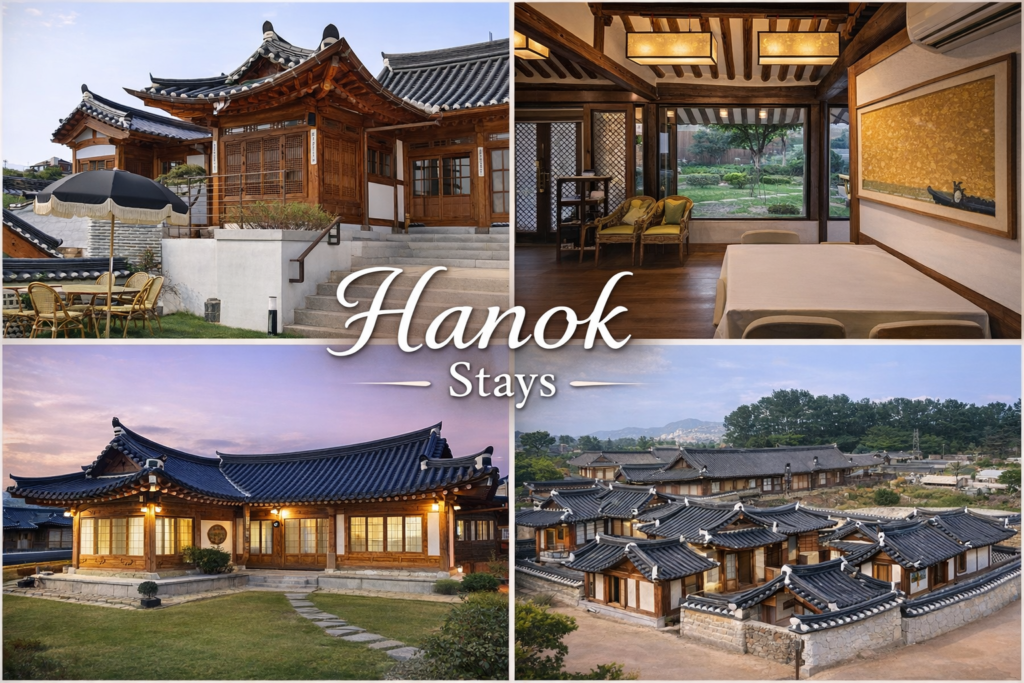
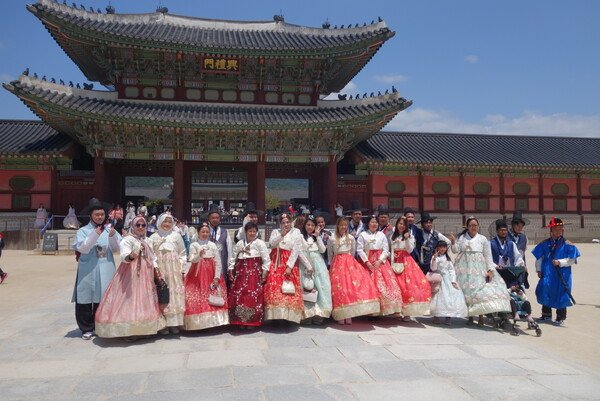
A hanok stay is one of the most memorable accommodation experiences you can have in Seoul.
While many travelers choose standard hotels, some visitors want something more distinctive and connected to Korean culture. A hanok stay offers exactly that. It combines the atmosphere of a traditional Korean house with the experience of staying in one of Seoul’s most historic neighborhoods.
For first-time visitors, a hanok stay can be a special way to experience the city beyond modern shopping streets and high-rise hotels.
For travelers who want a more traditional and memorable side of Seoul, a hanok stay can be a better choice than a standard hotel.
Different hanok areas in Seoul offer very different atmospheres, from quiet residential streets to busier cultural districts.
What Is a Hanok Stay?
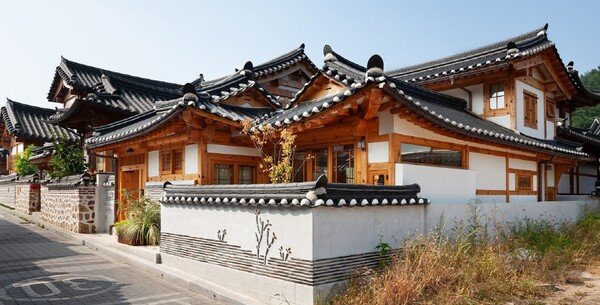
A hanok is a traditional Korean house built with wooden structures, tiled roofs, open courtyards, and simple natural materials.
Today, some hanok homes in Seoul have been restored and turned into guest accommodations. These places usually offer a quieter, more intimate experience than a standard hotel.
Staying in a hanok is not only about sleeping in a traditional building. It is also about experiencing the atmosphere of older Seoul, especially in areas with narrow alleys, historic streets, and nearby palaces.
If you want to get a better feel for what a hanok stay in Seoul is actually like, this short video gives a helpful look at the atmosphere, layout, and overall experience.
Why Travelers Choose a Hanok Stay
Many travelers choose a hanok stay because it feels more unique than a modern hotel.
A hanok stay can offer:
a more traditional Korean atmosphere
a memorable cultural experience
access to historic neighborhoods
quieter surroundings than large hotel districts
beautiful architecture and courtyards
For some visitors, this kind of accommodation becomes one of the most memorable parts of the trip.
Best Areas for Hanok Stays in Seoul
Bukchon
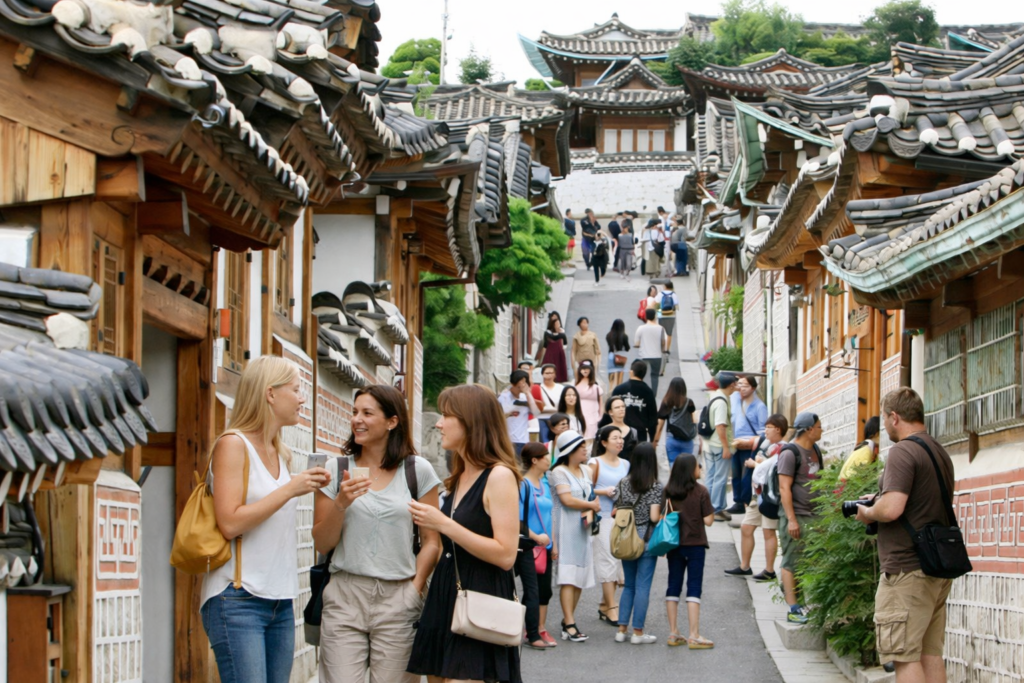
Bukchon is one of the most famous areas for hanok stays in Seoul.
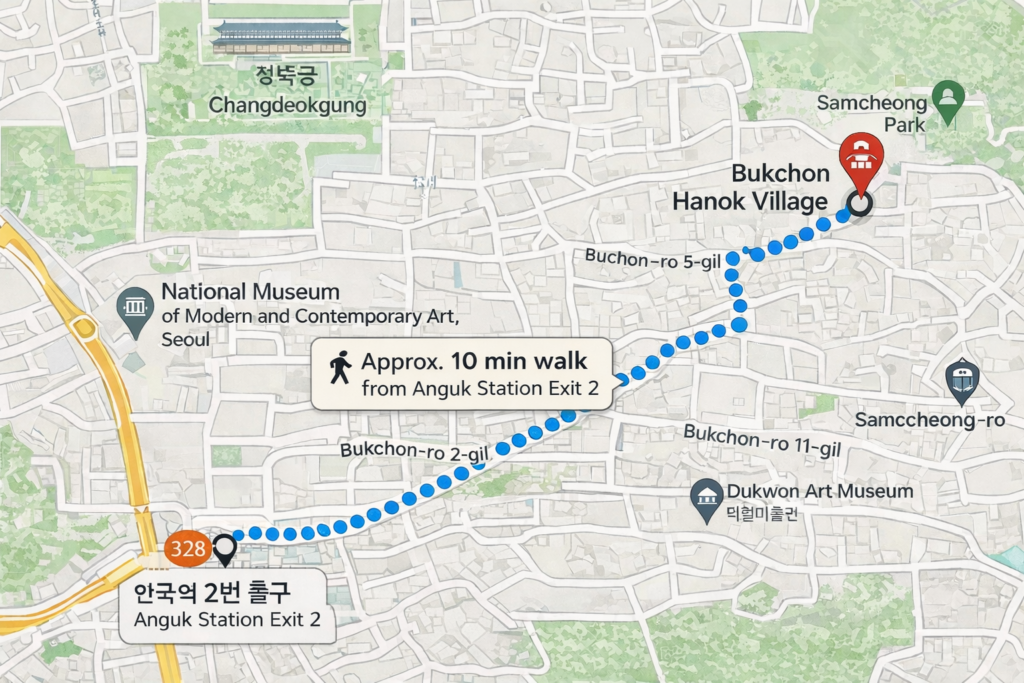
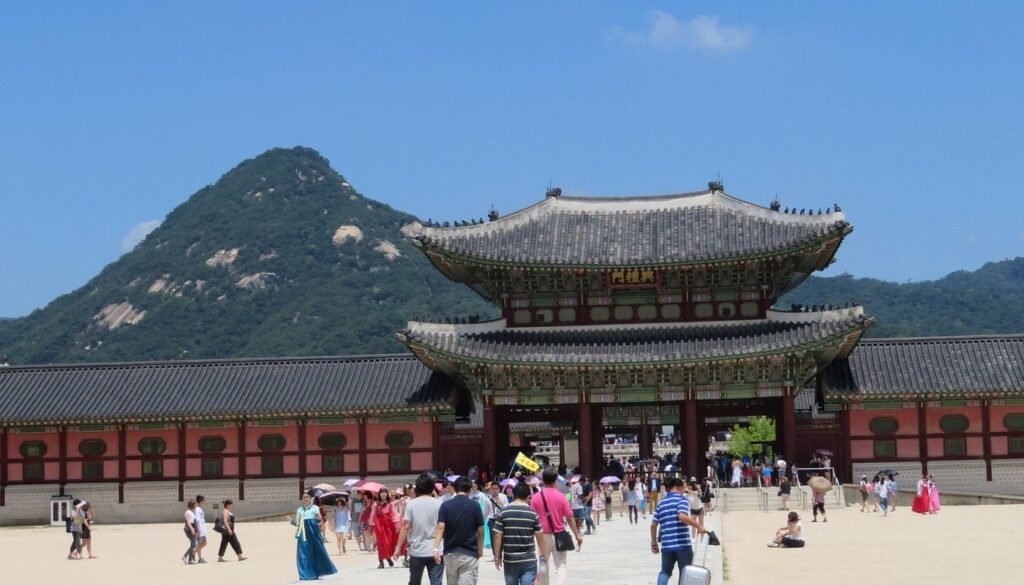
Located between Gyeongbokgung Palace and Changdeokgung Palace, Bukchon is known for its traditional houses, narrow lanes, and beautiful city views. It is one of the best areas for travelers who want a classic hanok atmosphere in the center of Seoul.
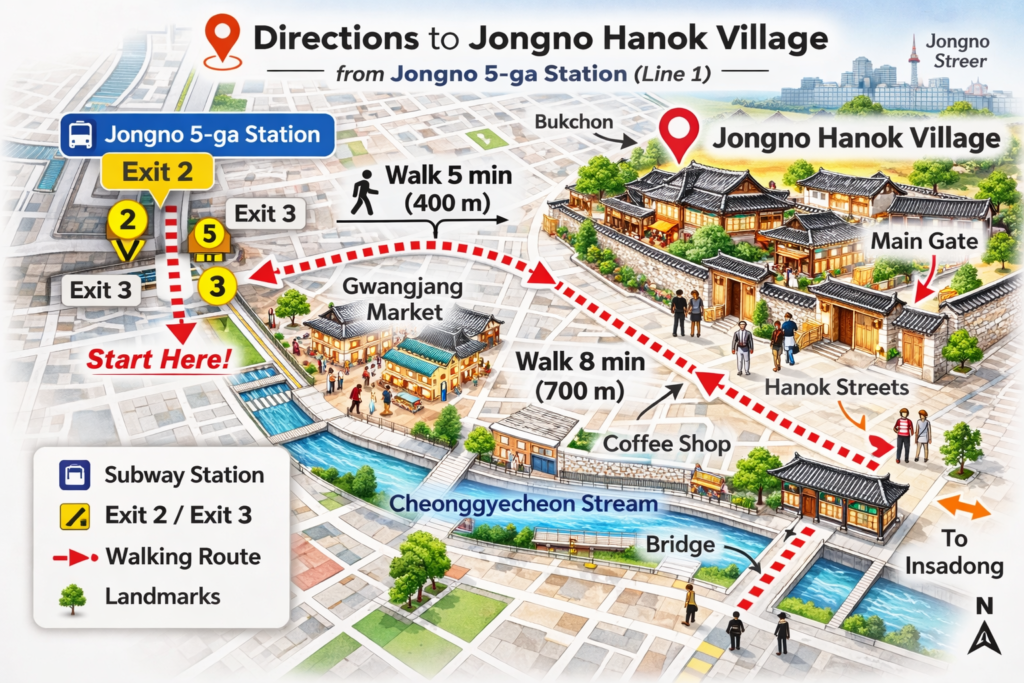
If you are planning to visit Bukchon Hanok Village, this video shows a simple route from Gyeongbokgung Station to Bukchon Hanok Village.
Best for:
first-time visitors
couples
travelers focused on culture and photography
Bukchon is the best choice for travelers who want the most iconic hanok experience in Seoul.
Nearby highlights:
Gyeongbokgung Palace
Changdeokgung Palace
National Museum of Modern and Contemporary Art, Seoul
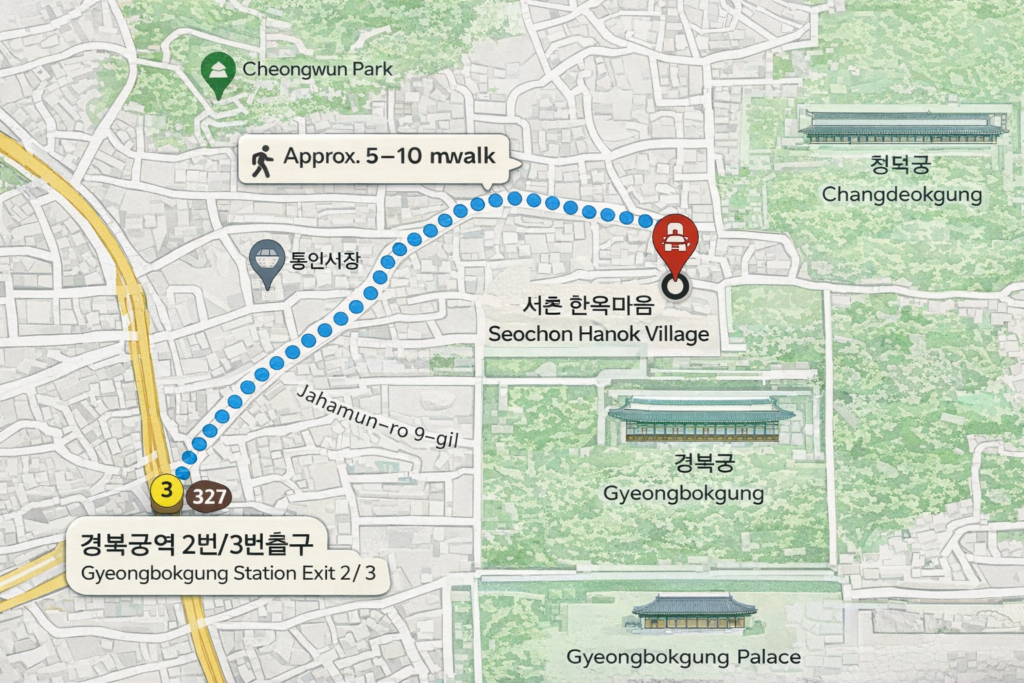
Seochon
Seochon has a quieter and more local atmosphere than Bukchon.
This area is close to Gyeongbokgung Palace but feels a little less crowded and more residential. Travelers who want a hanok stay in a relaxed neighborhood often prefer Seochon.
Best for:
slower travel
quieter stays
travelers who enjoy local cafes and neighborhood walks
Seochon is ideal for visitors who prefer a quieter and more local atmosphere.
Nearby highlights:
Tongin Market
Yun Dong-ju Literary Museum
Park No-soo Art Museum
Jongno
Jongno is one of the most convenient areas for travelers who want history and accessibility at the same time.
Some hanok stays in or near Jongno offer easy access to subway stations, palaces, traditional markets, and major sightseeing areas. This can be a good option for visitors who want a traditional stay without feeling too far from the rest of the city.
Best for:
culture-focused travelers
visitors who want central access
travelers combining tradition and convenience
Jongno works well for travelers who want tradition with easy access to transport and major sights.
Nearby highlights:
Jongmyo Shrine
Insadong
Changdeokgung Palace
Areas Near Ikseon-dong
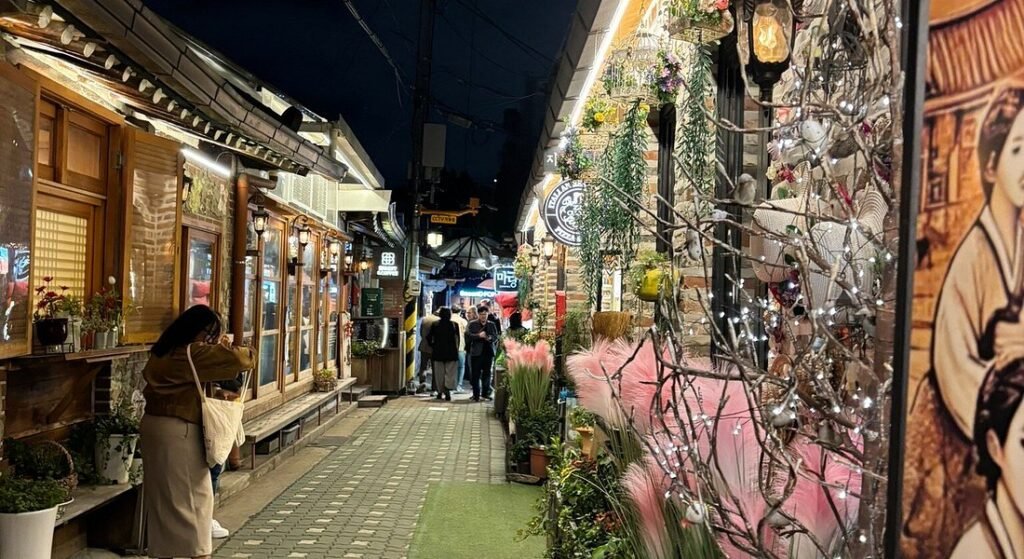
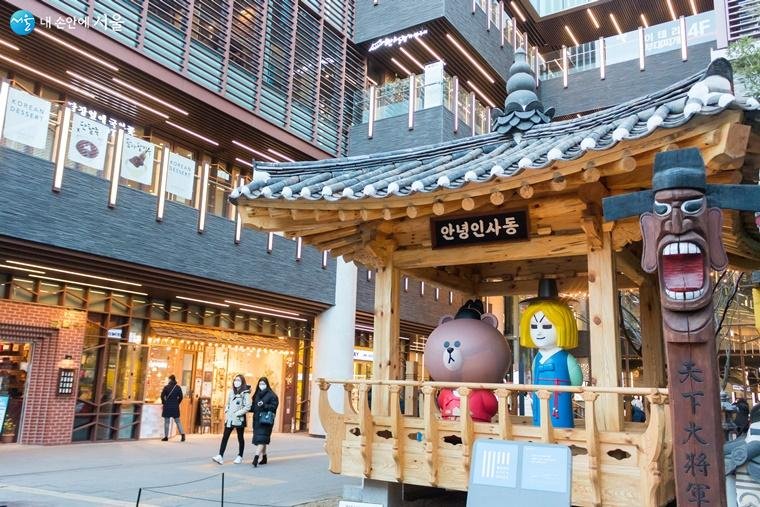
Ikseon-dong is known for its narrow streets, renovated hanok buildings, cafes, and restaurants.
Not every stay in this area is a classic hanok accommodation, but nearby options can still provide a good blend of traditional atmosphere and easy access to trendy places.
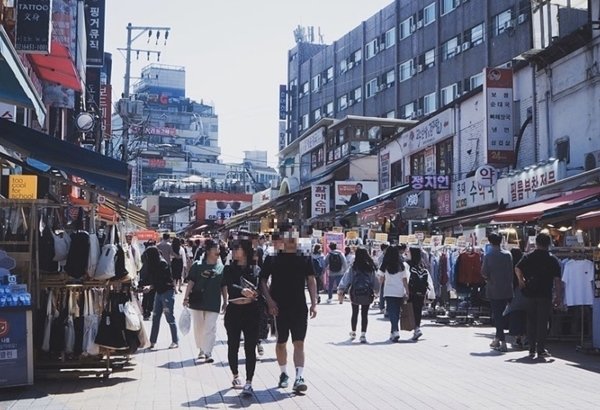
If you want a better feel for Ikseon-dong, this video introduces some of the area’s popular cafes, Korean fashion shops, and accessory stores.
Best for:
younger travelers
couples
visitors who want a traditional setting with a lively food and cafe scene
Areas near Ikseon-dong suit travelers who want a more lively and trendy hanok-style environment.
Nearby highlights:
Ikseon-dong Hanok Village
Insadong
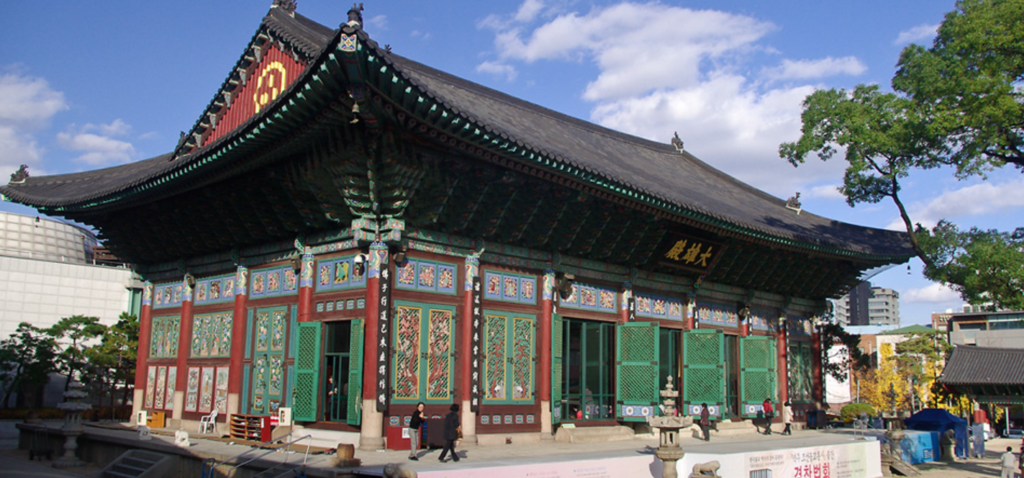
Jogyesa Temple
What to Know Before Booking a Hanok Stay
A hanok stay can be beautiful and memorable, but it may not feel the same as a modern hotel.
If you are comparing hanok stays in Seoul, it helps to check location, room style, guest reviews, and current prices before booking.
Compare Hanok Stays in Seoul on Trip.com
Before booking, travelers should keep a few things in mind:
Rooms may be smaller than expected
Bedding may be floor-based rather than on a standard bed
Sound insulation may be lighter than in modern hotels
Bathrooms and room layouts can vary a lot
Some traditional stays are better for short stays than long stays
Because of this, a hanok stay is often best for travelers who value atmosphere and experience as much as comfort and convenience.
Accommodation costs can also vary depending on the season, neighborhood, and room style, so you may also want to read our guide to accommodation costs in South Korea before booking.
Who Should Choose a Hanok Stay?
A hanok stay is usually a good choice for:
first-time visitors who want a memorable Korean-style stay
couples looking for a more romantic or unique atmosphere
travelers interested in history, architecture, and traditional neighborhoods
visitors who want something different from a standard hotel
It may be less suitable for travelers who want large rooms, strong sound insulation, or the convenience of a full-service international hotel.
For first-time visitors, a hanok stay can be one of the most memorable ways to experience Seoul.
It offers more than a place to sleep. It gives travelers a chance to stay in a setting that feels closely connected to Korean history, architecture, and neighborhood life.
If you want your trip to Seoul to feel more distinctive and culturally rich, a hanok stay may be one of the best accommodation choices to consider.
Choosing where to stay in South Korea is not only about price. The type of accommodation you choose can change your travel experience, daily routine, and even which neighborhoods feel most convenient.
Some travelers prefer the comfort of a standard hotel, while others want a guesthouse, a traditional hanok stay, or an apartment-style place that feels more local.
This guide explains the main types of accommodation in South Korea and which option may suit your travel style best.
Hotels in South Korea
Hotels are the most familiar choice for many travelers. They usually offer the most predictable experience in terms of privacy, check-in, cleanliness, and services.
In major cities such as Seoul and Busan, travelers can find everything from budget hotels to luxury properties.
Hotels are usually best for:
First-time visitors
Couples
Business travelers
Short stays
Guesthouses
Guesthouses are a popular option for travelers who want a more affordable and social experience.
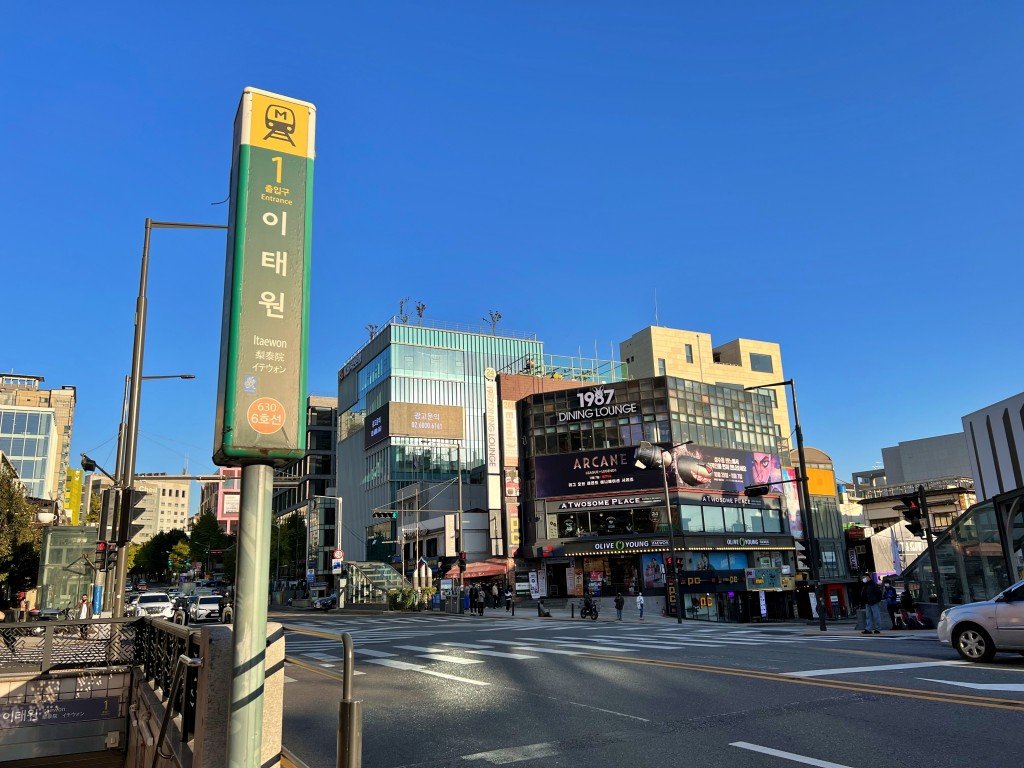
They are often found in areas with strong tourist demand, such as Hongdae, Itaewon, and central Seoul. Some offer private rooms, while others focus more on shared spaces and budget-friendly stays.
Guesthouses are usually best for:
Solo travelers
Budget travelers
Younger visitors
Travelers who enjoy meeting others
Hanok Stays
Hanok stays offer one of the most distinctive accommodation experiences in Korea.
A hanok is a traditional Korean house, and staying in one can give visitors a very different atmosphere from a modern hotel. These stays are especially popular in historic parts of Seoul such as Bukchon, Seochon, and Jongno.
However, hanok stays may feel less conventional for some travelers. Room layouts, bedding styles, and sound insulation can differ from what international visitors expect in a hotel.
Hanok stays are usually best for:
Culture-focused travelers
Couples
Travelers looking for a memorable Korean-style stay
Visitors interested in traditional neighborhoods
Serviced Apartments and Residence Hotels
Some travelers need more space than a hotel room can offer.
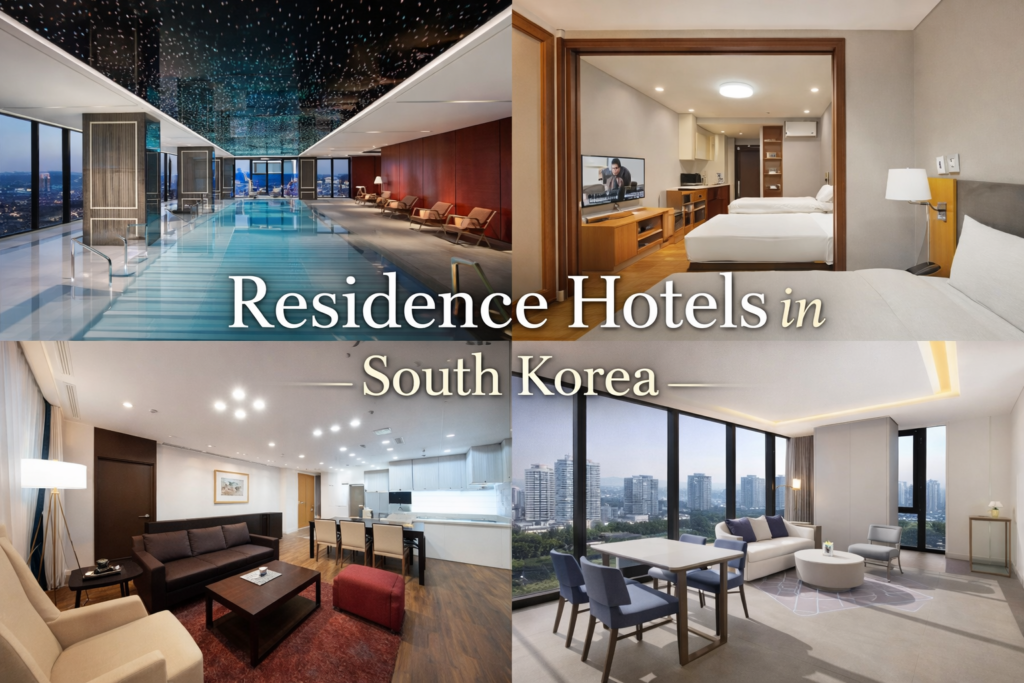
Serviced apartments and residence-style hotels are useful for families, long-stay visitors, or travelers who want kitchen and laundry facilities. These places often feel more practical for people staying a week or longer.
They are usually best for:
Families
Long-stay travelers
Travelers with a lot of luggage
Visitors who prefer apartment-style comfort
Vacation Rentals
Vacation rentals can appeal to travelers who want a more residential feel.
They are often attractive for friend groups, families, or visitors who want to stay in a regular neighborhood rather than in a typical hotel district. In some cases, they may also provide more space for the price.
Still, travelers should compare the full cost carefully. Cleaning fees, service charges, check-in rules, and building policies can make a big difference.
Vacation rentals are usually best for:
Families or groups
Longer stays
Travelers who want a local neighborhood feel
Visitors who prefer more space
Which Type Is Best for You?
The best option depends on your travel style.
Choose a hotel if you want convenience, privacy, and a simple booking experience.
Choose a guesthouse if you want to save money and do not mind a more casual atmosphere.
Choose a hanok stay if cultural experience matters as much as comfort.
Choose a serviced apartment if you need more space or plan to stay longer.
Choose a vacation rental if you want a residential feel and are comfortable checking extra fees and policies.
How to Compare Accommodation Before Booking
Accommodation prices and room styles in South Korea can vary a lot depending on the area, season, and booking date. If you are still comparing neighborhoods, you may also want to read our guide to the best areas to stay in Seoul for tourists.
It is a good idea to compare locations, room types, and total costs carefully before making your final decision. If budget is one of your main concerns, our guide to accommodation costs in South Korea may also help before booking.
If you want to compare hotel locations, room types, and current prices in one place, you can check accommodation options on Trip.com before booking.
South Korea offers much more than standard hotels. For many travelers, the right stay depends on whether convenience, price, space, or cultural experience matters most.
If you understand the differences between hotels, guesthouses, hanok stays, and apartment-style accommodations, it becomes much easier to choose the right place for your trip.
Seoul is a large and diverse city with many unique neighborhoods. For travelers visiting South Korea for the first time, choosing the right area to stay can make a huge difference in how convenient and enjoyable the trip becomes.
Some neighborhoods are famous for shopping and nightlife, while others offer cultural attractions, historic streets, or family-friendly environments.
Seoul’s excellent public transportation system makes it easy to travel between districts, but staying near a major subway line can still save a lot of time.
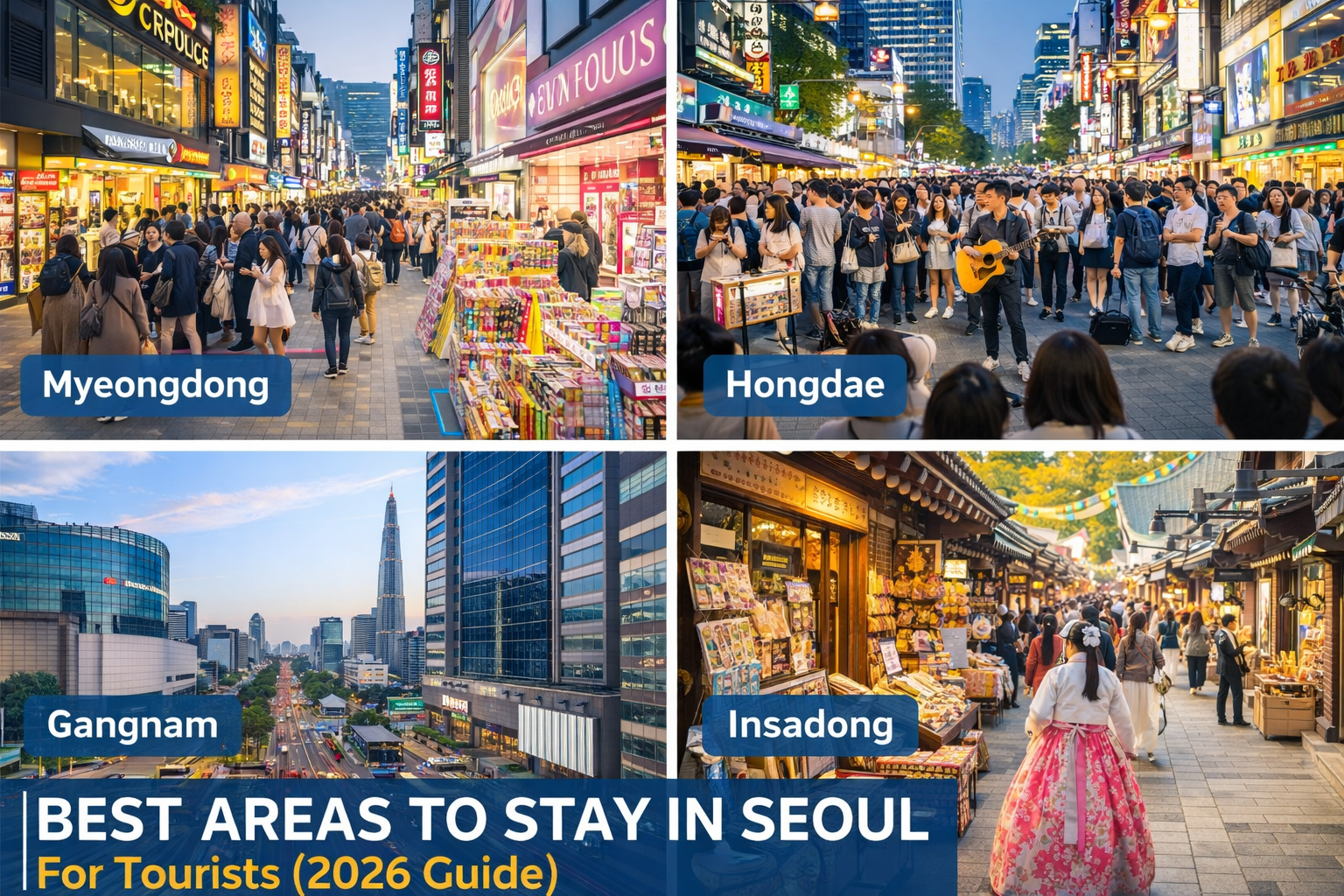
This guide explains the best areas to stay in Seoul for tourists, including the advantages of each neighborhood and which type of traveler each area is best suited for.
Compare hotel prices in Seoul before you book. If you are still deciding between areas like Myeongdong, Hongdae, Gangnam, or Jamsil, it helps to check current room prices for your travel dates.
Compare Hotels in Seoul on Trip.com
Myeongdong – Best Area for First-Time Visitors
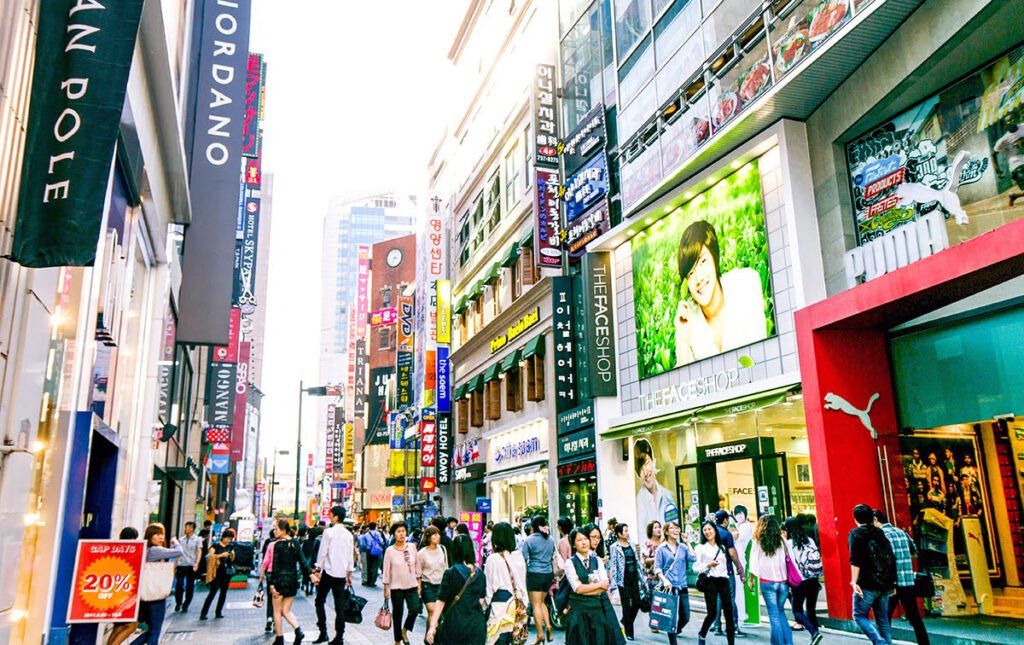
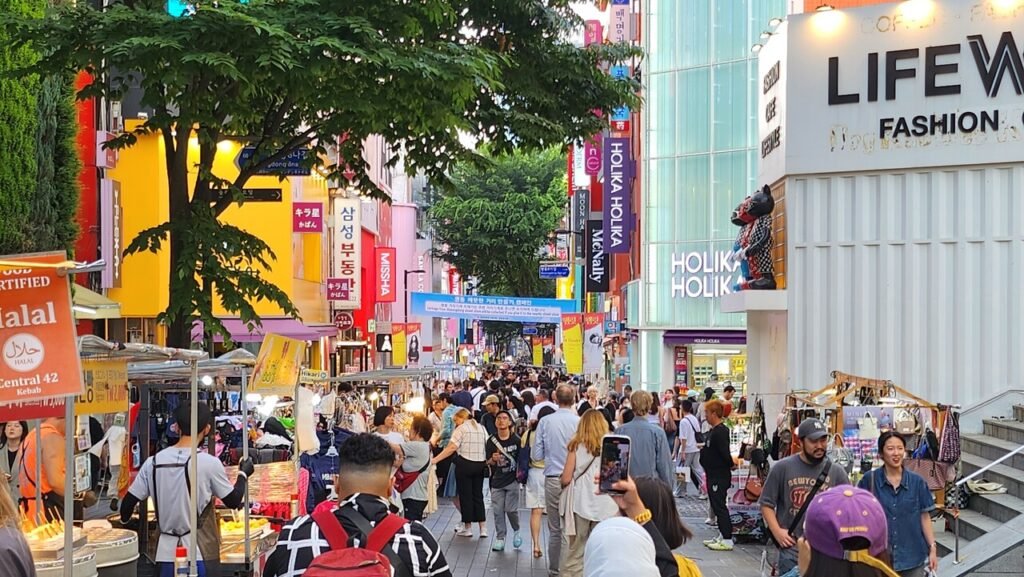
Myeongdong is one of the most popular places to stay for international travelers visiting Seoul.
Located in the center of the city, this district is known for its vibrant shopping streets, street food stalls, and convenient access to major tourist attractions.
Because of its central location, many first-time visitors prefer to stay here.
Why Myeongdong is Popular
• One of the most famous shopping districts in Korea • Huge variety of street food vendors • Walking distance to major attractions • Easy access to the airport train and subway
Nearby Attractions
• Myeongdong Cathedral • N Seoul Tower (Namsan Tower) • Namdaemun Market • Deoksugung Palace
Transportation
Myeongdong Station is located on Seoul Subway Line 4, which connects directly to Seoul Station and Dongdaemun.
This makes it easy to reach many parts of the city.
Best for
• First-time visitors • Shopping lovers • Short trips to Seoul
Hongdae – Best Area for Nightlife and Youth Culture
Hongdae is one of the most energetic neighborhoods in Seoul.
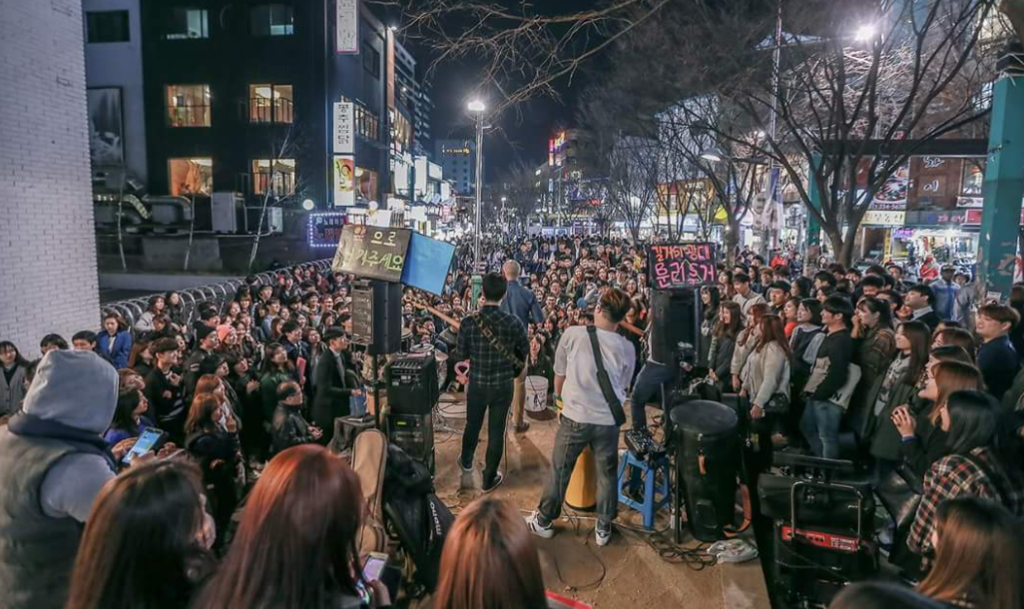
Located near Hongik University, the district is famous for its music scene, street performances, trendy cafes, and nightlife.
Many young travelers and digital nomads prefer staying in Hongdae because of its lively atmosphere.
What Makes Hongdae Unique
• Street performances and live music • Independent fashion shops • Trendy cafes and dessert shops • Vibrant nightlife
Transportation
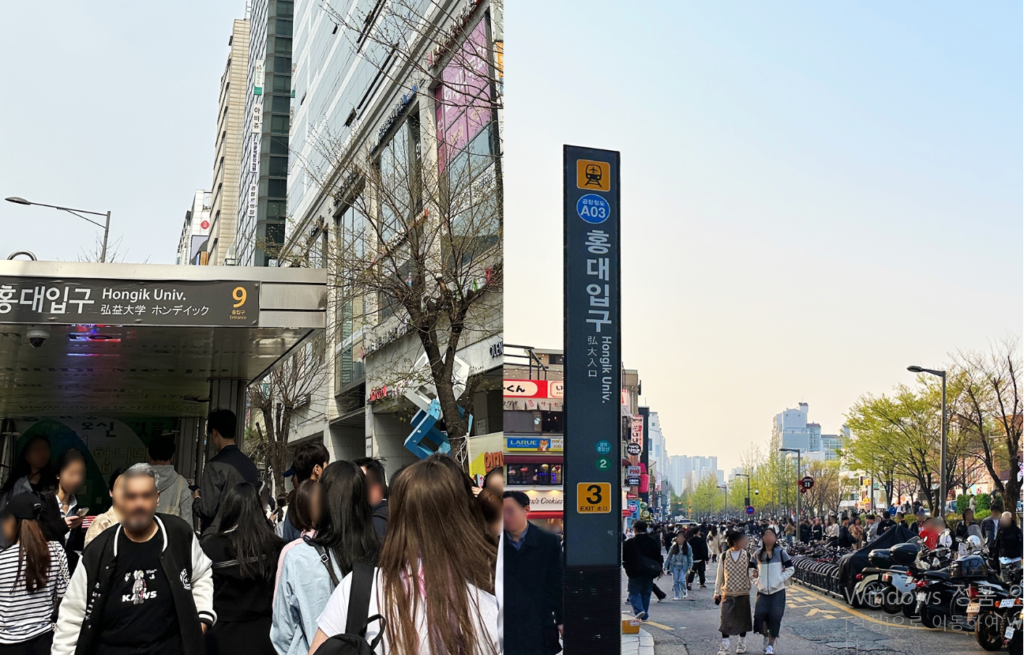
Hongik University Station is one of the most convenient stations in Seoul because it connects several important lines.
• Subway Line 2 • Airport Railroad (AREX) • Gyeongui–Jungang Line
This means travelers can easily reach Hongdae directly from the airport.
Best for
• Younger travelers • Nightlife lovers • Solo travelers
If you plan to stay in Hongdae, getting from Incheon Airport is especially easy thanks to the AREX connection. Many travelers choose the AREX Express Train for a faster and simpler airport transfer into Seoul.
Book Your AREX Express Train Ticket→
Gangnam – Best Area for Modern Seoul
Gangnam is one of the most famous districts in Seoul and represents the modern side of the city.
The area is known for luxury shopping malls, high-end restaurants, and business centers.
Many travelers who prefer modern hotels and upscale environments choose Gangnam as their base.
Highlights of Gangnam
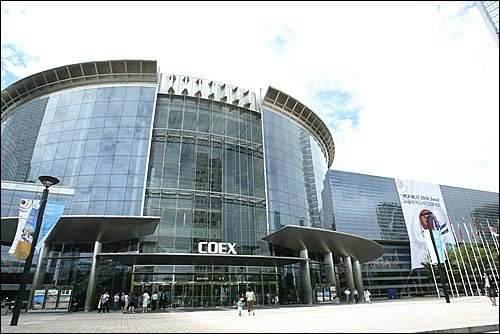
• Luxury shopping streets • COEX Mall and Starfield Library • Bongeunsa Temple • Upscale restaurants and cafes
Transportation
Gangnam is connected to several major subway lines.
• Line 2 (Green Line) • Shinbundang Line
These lines make it easy to travel between Gangnam and other parts of Seoul.
Best for
• Luxury travelers • Business travelers • Visitors interested in modern Seoul
Insadong – Best Area for Culture and Tradition
Insadong is one of the best places to stay if you want to experience traditional Korean culture.
The area is famous for its traditional tea houses, art galleries, antique shops, and cultural streets.
Unlike the busy shopping districts of Myeongdong, Insadong has a quieter and more historic atmosphere.
• Anguk Station (Line 3) • Jongno 3-ga Station (Line 1, 3, 5)
These stations make it easy to explore central Seoul.
Best for
• Culture lovers • History enthusiasts • Travelers interested in traditional Korea
Jamsil – Best Area for Families
Jamsil is a popular area for families visiting Seoul.
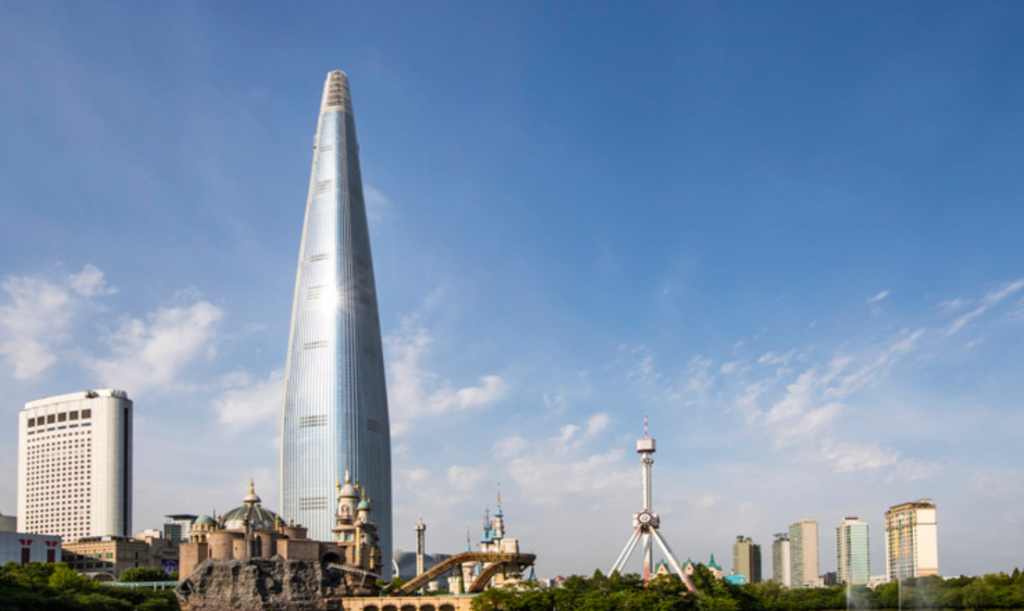
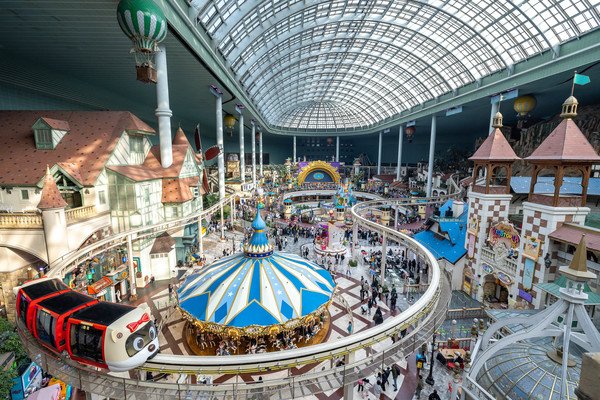
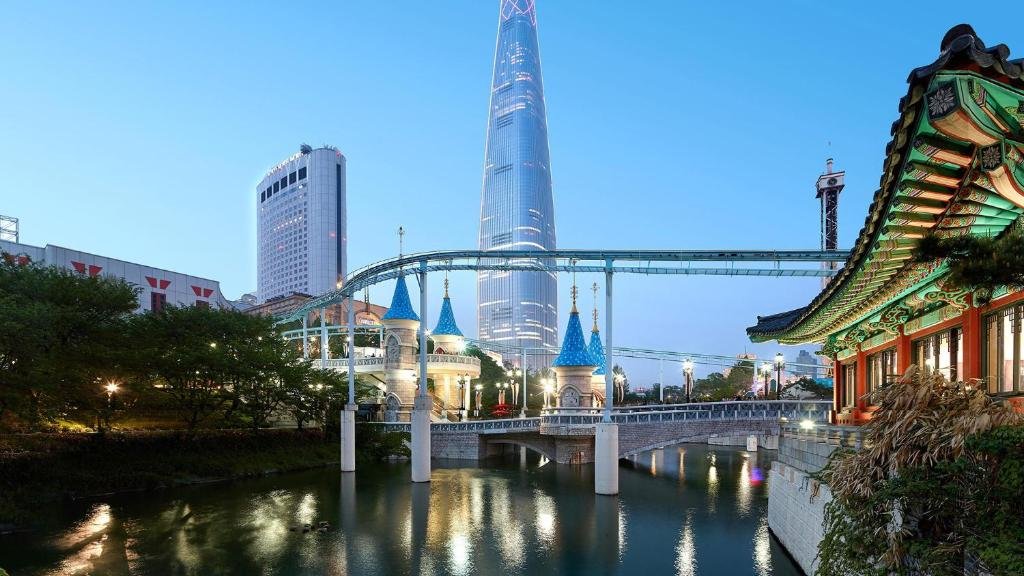
The district is home to Lotte World Tower, the tallest building in Korea, and Lotte World Theme Park, one of the largest indoor theme parks in the world.
The area also features beautiful parks and lakes.
Major Attractions
• Lotte World Tower • Lotte World Mall • Seokchon Lake • Olympic Park
Jamsil is especially convenient for families because major attractions like Lotte World are close by. If you plan to visit, it may be worth checking ticket options in advance.
Check Lotte World Adventure tickets here →
Transportation
Jamsil Station is located on Line 2 and Line 8, making it easy to travel to other districts.
Best for
• Families traveling with children • Theme park visitors • Travelers interested in modern attractions
Other Popular Areas to Stay
Although the areas above are the most popular, several other neighborhoods are also worth considering.
Itaewon
Known for its international restaurants and diverse nightlife.
Yeouido
Home to the financial district and beautiful Han River parks.
Dongdaemun
A famous area for night shopping and fashion markets.
Tips for Choosing Where to Stay in Seoul
When choosing a hotel location in Seoul, consider the following tips.
Stay Near a Subway Station
Seoul’s subway system is the fastest way to travel around the city. If you are unfamiliar with the lines, read our Seoul Subway Map Guide for Tourists.
Choose a Central Area for Short Trips
If you are visiting Seoul for only a few days, staying in a central area like Myeongdong or Hongdae will reduce travel time.
Consider Airport Access
If you arrive via Incheon International Airport, areas connected to the Airport Railroad are especially convenient. You can also read How to Get from Incheon Airport to Seoul before choosing your hotel location.
Hotel prices in Seoul can vary a lot depending on the area, season, and booking date. It is a good idea to compare prices before choosing where to stay.
If airport access matters to you, it may be worth booking your AREX transfer in advance before arrival. It is one of the easiest ways to reach central Seoul from Incheon Airport.
Check AREX Express Train Tickets →
Final Thoughts
Seoul offers many great neighborhoods for travelers, each with its own character and advantages.
For first-time visitors, Myeongdong and Hongdae are usually the easiest choices because of their central location and excellent transportation connections.
Travelers interested in modern shopping districts may prefer Gangnam, while those looking for traditional culture will enjoy staying near Insadong.
No matter where you stay, Seoul’s efficient subway system makes it easy to explore the entire city.
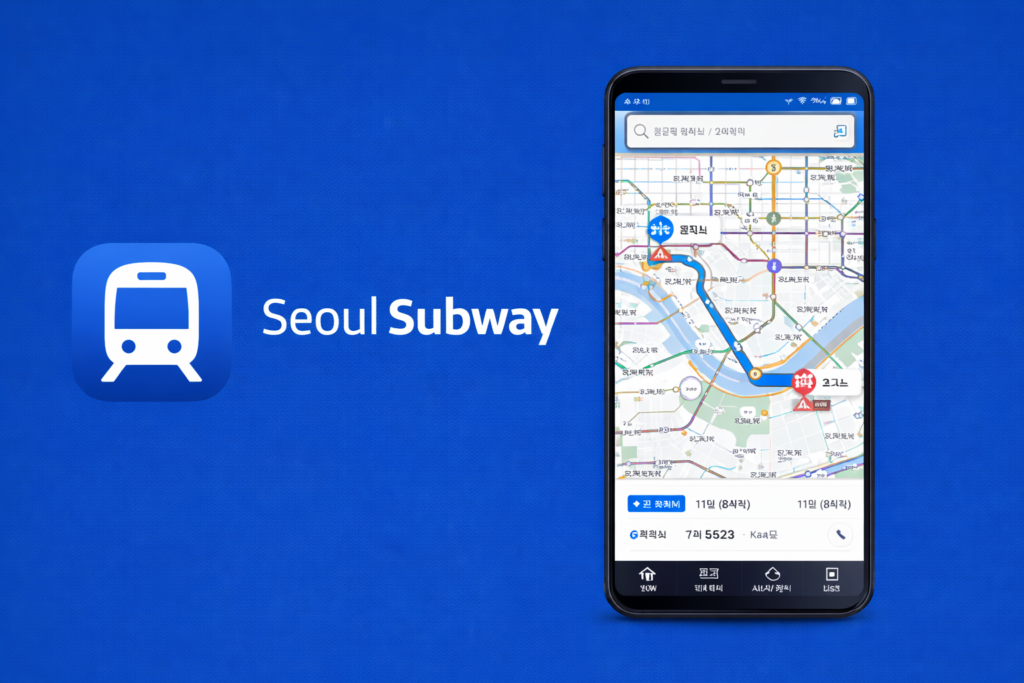
Seoul Subway Map Guide for Tourists (2026 Updated Map)
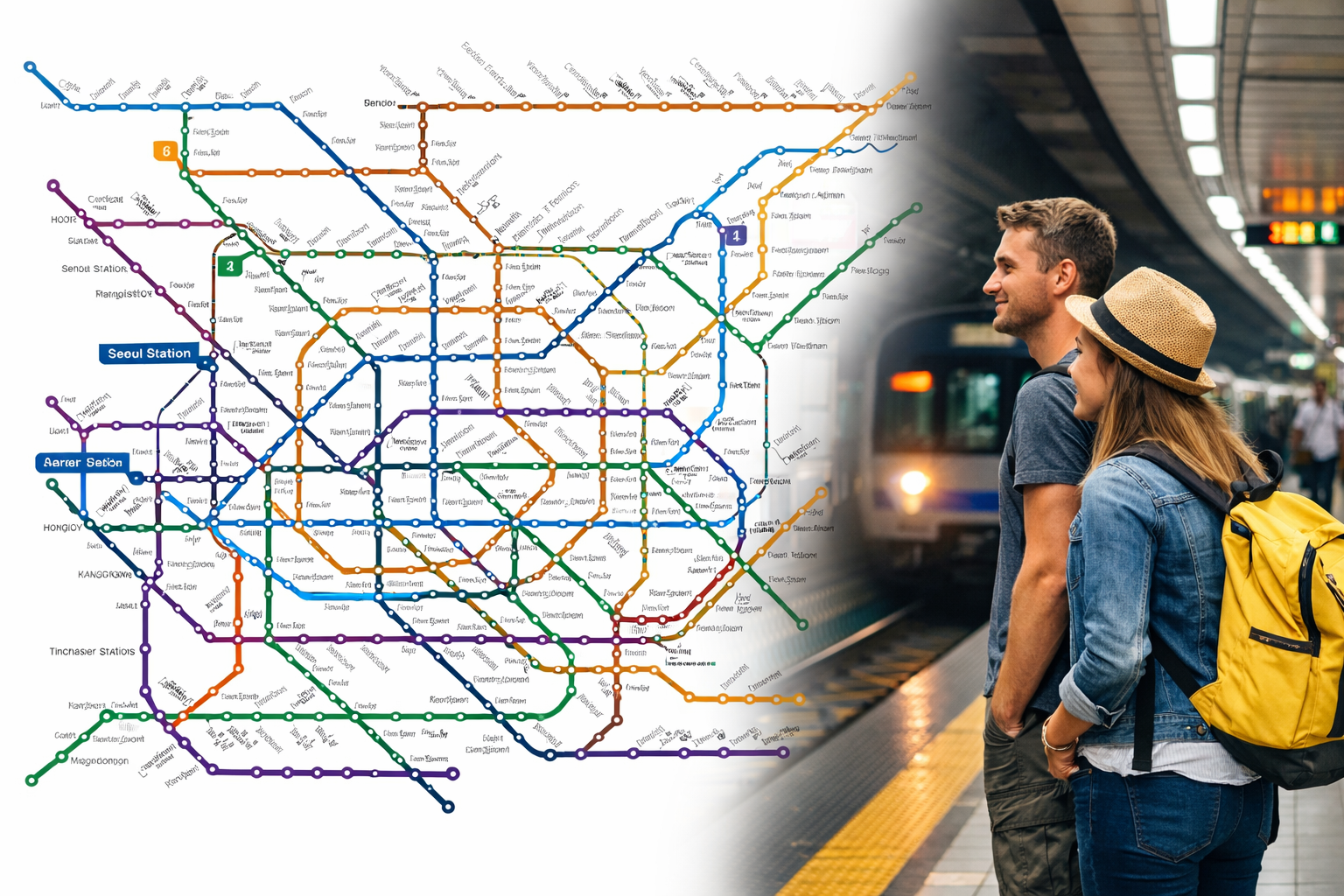
The Seoul subway system is one of the most efficient public transportation networks in the world. For tourists visiting South Korea, understanding the subway map is the key to traveling quickly and cheaply around the city.
Seoul has more than 20 subway lines connecting major attractions, shopping districts, and airports. Although the map may look complicated at first, it becomes easy to understand once you know the basic structure.
This guide explains how to read the Seoul subway map and how tourists can use it to navigate the city easily.
If you are new to transportation in Korea, you may also want to read our Transportation in Korea: Complete Guide for Tourists.
Understanding the Seoul Subway Map
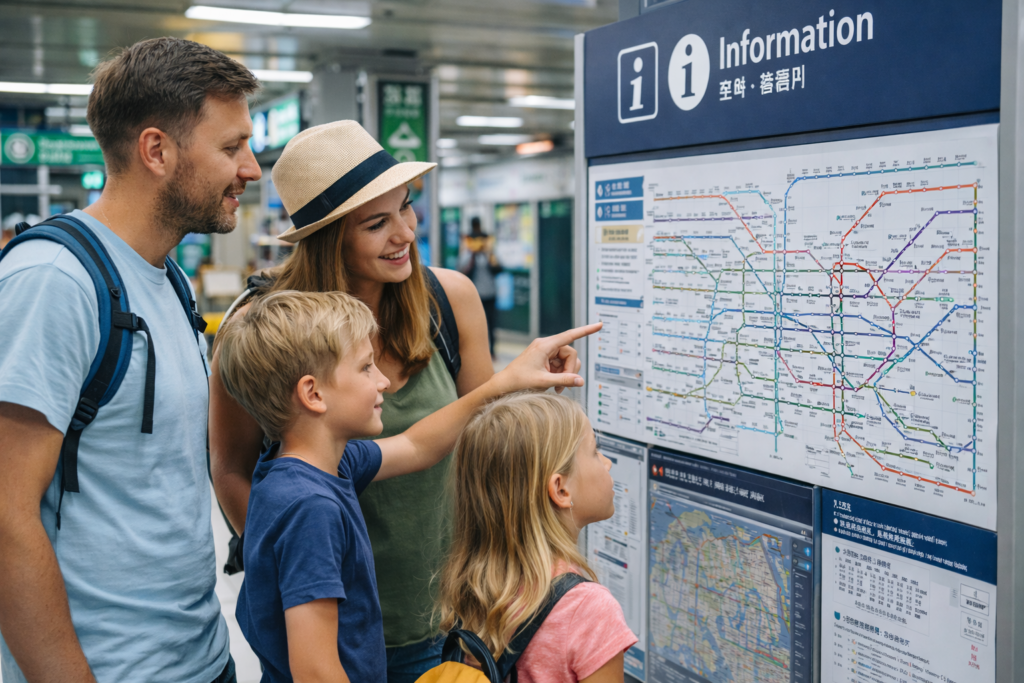
The Seoul subway map uses different colors to represent each subway line. Every line has a number and a specific color that helps passengers identify the route quickly.
For example:
Line 1 – Dark Blue Line 2 – Green Line 3 – Orange Line 4 – Light Blue
These lines connect many of the most popular tourist areas including Hongdae, Myeongdong, Gangnam, and Dongdaemun.
Because of this color system, tourists can follow subway routes easily even if they do not speak Korean.
To use subway maps, live navigation, and transfer apps smoothly in Seoul, it helps to have mobile data from the moment you arrive.
Check South Korea eSIM options with Saily →
Major Seoul Subway Lines Explained
Seoul’s subway system includes many lines, but most visitors mainly use Lines 1 through 9, the Gyeongui–Jungang Line, and the Airport Railroad (AREX).
Each line connects major tourist districts, shopping areas, and transportation hubs. Learning the key stations will make traveling around Seoul much easier.
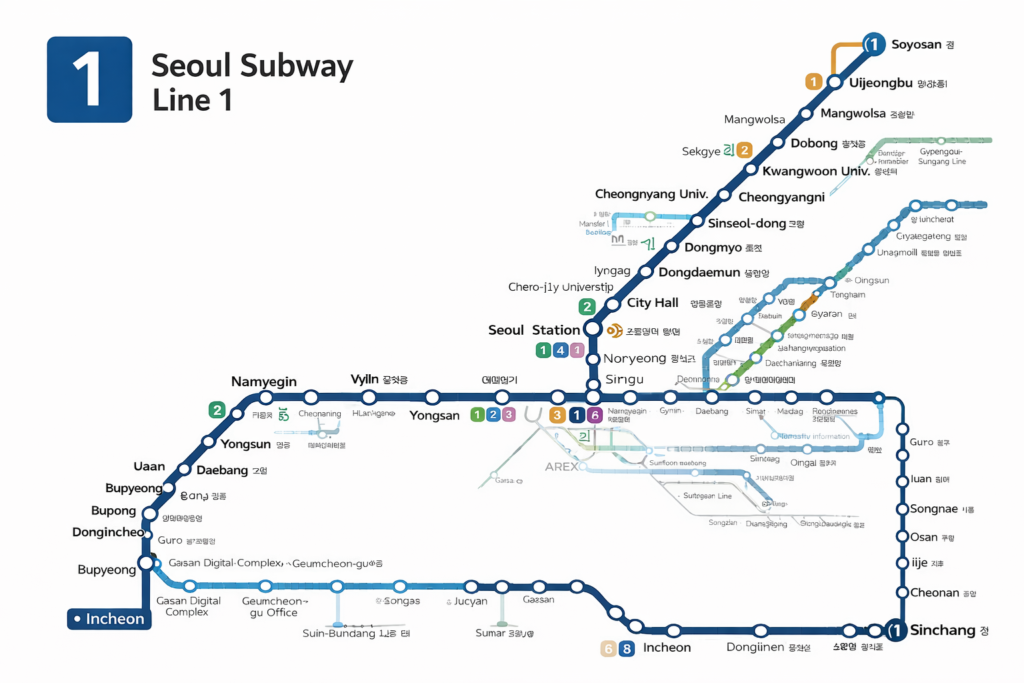
Line 1 – Dark Blue Line
Line 1 is one of the oldest subway lines in Seoul and connects central Seoul with several surrounding cities.
Important stations include Seoul Station, City Hall, Jonggak, Jongno 3-ga, and Dongdaemun. These stations provide access to historic areas, traditional markets, and cultural attractions.
Tourists often use this line when exploring central Seoul’s historic districts.
Line 2 – Green Line (Circular Line)
Line 2 is the most frequently used subway line for tourists. It forms a large circular route around central Seoul and connects many of the city’s busiest areas.
Important stations include Hongik University (Hongdae), Gangnam, City Hall, Jamsil, Seongsu, and Seoul National University.
Because of its circular route, this line is often the easiest way for visitors to travel between major neighborhoods.
Full Station List – Line 2 Circular Route
City Hall Euljiro 1-ga Euljiro 3-ga Euljiro 4-ga Dongdaemun History & Culture Park Sindang Sangwangsimni Wangsimni Hanyang Univ. Ttukseom Seongsu Konkuk Univ. Guui Gangbyeon Jamsilnaru Jamsil Sports Complex Samseong Seolleung Yeoksam Gangnam Seocho Bangbae Sadang Nakseongdae Seoul Nat’l Univ. Bongcheon Sillim Sindaebang Guro Digital Complex Daerim Sindorim Munrae Yeongdeungpo-gu Office Dangsan Hapjeong Hongik Univ. Sinchon Ewha Womans Univ. Ahyeon Chungjeongno City Hall
Seongsu Branch Line
Seongsu Yongdap Sindap Sinseol-dong
Popular Tourist Stations on Line 2
Hongik Univ. (Hongdae) – nightlife, street performances, cafes City Hall – near Deoksugung Palace and Myeongdong Dongdaemun History & Culture Park – shopping and Dongdaemun Design Plaza Jamsil – Lotte World Tower and Seokchon Lake Samseong – COEX Mall and Starfield Library Gangnam – famous shopping and nightlife district
Line 3 – Orange Line
Line 3 connects northwestern Seoul with southern districts and passes through several cultural and historical areas.
Important stations include Gyeongbokgung, Anguk, Dongguk University, Apgujeong, and Express Bus Terminal.
Tourists often use this line to visit Gyeongbokgung Palace, Bukchon Hanok Village, and Insadong.
Gyeongbokgung – Gyeongbokgung Palace Anguk – Bukchon Hanok Village, Insadong Jongno 3-ga – traditional markets and cultural sites Apgujeong – luxury shopping and cafes Express Bus Terminal – Shinsegae Department Store and shopping malls
Line 3 Travel Tip
Many cultural and historical attractions in Seoul are located along Line 3, making it one of the best subway lines for travelers interested in Korean history and traditional neighborhoods.
Line 4 – Light Blue Line
Line 4 is one of the most convenient lines for tourists.
Important stations include Seoul Station, Myeongdong, Dongdaemun History & Culture Park, Hyehwa, and Sadang.
This line is commonly used when traveling between Myeongdong shopping street and Dongdaemun fashion district.
Full Station List – Line 4
Danggogae Sanggye Nowon Chang-dong Ssangmun Suyu Mia Miasageori Gireum Sungshin Women’s Univ. Hansung Univ. Hyehwa Dongdaemun Dongdaemun History & Culture Park Chungmuro Myeongdong Hoehyeon Seoul Station Sookmyung Women’s Univ. Samgakji Sinyongsan Ichon Dongjak Isu Sadang Namtaeryeong Seonbawi Seoul Grand Park Gwacheon Government Complex Gwacheon Indeogwon Pyeongchon Beomgye Geumjeong Sanbon Surisan Daeyami Banwol Sangnoksu Hanyang Univ. at Ansan Jungang Gojan Choji Ansan Singil Oncheon Jeongwang Oido
Popular Tourist Stations on Line 4
Hyehwa – Daehangno theater district Dongdaemun – Dongdaemun shopping area Dongdaemun History & Culture Park – DDP and night markets Myeongdong – famous shopping and street food area Seoul Station – airport train and KTX hub Samgakji – War Memorial of Korea
Line 5 – Purple Line
Line 5 runs east to west across Seoul and crosses the Han River.
Important stations include Gwanghwamun, Yeouido, Gimpo Airport, and Olympic Park.
This line is useful for reaching both historic landmarks and modern business districts.
Gangdong Dunchon-dong Olympic Park Bangi Ogeum Geoyeo Macheon
Popular Tourist Stations on Line 5
Gimpo Airport – domestic and international airport connections Yeouido – Han River park and financial district Gwanghwamun – Gyeongbokgung Palace and major government area Jongno 3-ga – traditional markets and cultural sites Dongdaemun History & Culture Park – Dongdaemun shopping district Olympic Park – large park and concert venue
Line 6 – Brown Line
Line 6 connects several trendy neighborhoods popular with international travelers.
Important stations include Itaewon, Hapjeong, Mangwon, and World Cup Stadium.
Visitors often use this line when exploring Itaewon or the Hongdae area.
Full Station List – Line 6
Eungam Saetjeol Jeungsan Digital Media City World Cup Stadium Mapo-gu Office Mangwon Hapjeong Sangsu Gwangheungchang Daeheung Gongdeok Hyochang Park Samgakji Itaewon Hangangjin Beotigogae Yaksu Cheonggu Sindang Dongmyo Changsin Bomun Anam Korea Univ. Wolgok Sangwolgok Dolgoji Seokgye Taereung Entrance Hwarangdae Bonghwasan
Popular Tourist Stations on Line 6
Digital Media City – broadcasting studios and modern media district World Cup Stadium – Seoul World Cup Stadium and large parks Hapjeong – trendy cafes and access to Hongdae Samgakji – near the War Memorial of Korea Itaewon – international restaurants and nightlife Hangangjin – Leeum Samsung Museum of Art
Line 7 – Olive Line
Line 7 connects northeastern and southern districts of Seoul.
Important stations include Konkuk University, Cheongdam, and Express Bus Terminal.
This line helps travelers move between northern and southern parts of the city.
Kkachiul Bucheon Stadium Chunui Sinjung-dong Bucheon City Hall Sang-dong Sam-san Gymnasium Gulpocheon Bupyeong-gu Office Bupyeong Market Bupyeong Dongsu Incheon City Hall Arts Center Seokcheon Sageori Namdong-gu Office Hogupo Nonhyeon Soraepogu Wolgot
Popular Tourist Stations on Line 7
Konkuk Univ. – shopping streets and cafes near Kondae Ttukseom Resort – Han River park and summer festivals Cheongdam – luxury shopping and fashion district Gangnam-gu Office – access to Gangnam area Express Bus Terminal – large underground shopping mall Gasan Digital Complex – outlet shopping malls
Line 8 – Pink Line
Line 8 mainly serves southeastern Seoul.
Important stations include Jamsil and Munjeong, which are close to Lotte World Tower and Lotte World Mall.
Although tourists use this line less frequently, it is helpful for visiting the Jamsil area.
Jamsil – Lotte World Tower, Lotte World Mall, and Seokchon Lake Mongchontoseong – Olympic Park entrance Seokchon – Seokchon Lake and seasonal cherry blossoms Garak Market – one of Seoul’s largest wholesale food markets
Line 9 – Gold Line
Line 9 is one of the newest subway lines and includes express trains, which reduce travel time.
Important stations include Gimpo Airport, Yeouido, Gangnam, and Bongeunsa near COEX Mall.
This line provides fast travel between western Seoul and the Gangnam district.
Full Station List – Line 9
Gaehwa Gimpo Airport Airport Market Magoknaru Yangcheon Hyanggyo Gayang Jeungmi Deungchon Yeomchang Sinmokdong Seonyudo Dangsan National Assembly Yeouido Saetgang Nodeul Heukseok Dongjak Gubanpo Sinbanpo Express Bus Terminal Sapyeong Sinnonhyeon Eonju Seonjeongneung Samseong Jungang Bongeunsa Sports Complex Samjeon Seokchon Gobun Seokchon Songpanaru Hanseong Baekje Olympic Park Dungchon Oryun Olympic Park (east) Bangi Ogeum Gaerong Geoyeo Macheon VHS Medical Center
Express Train Service on Line 9
Line 9 offers Express trains, which skip several stations and reduce travel time.
Typical express stops include:
Gimpo Airport
Magoknaru
Gayang
Dangsan
Yeouido
Nodeul
Dongjak
Express Bus Terminal
Sinnonhyeon
Seonjeongneung
Bongeunsa
Sports Complex
Olympic Park
VHS Medical Center
Express trains are especially useful for travelers going between Gimpo Airport and Gangnam.
Popular Tourist Stations on Line 9
Gimpo Airport – airport connection for domestic and international flights Yeouido – Han River park and financial district Express Bus Terminal – large underground shopping mall Sinnonhyeon – access to Gangnam shopping and nightlife Bongeunsa – Bongeunsa Temple and COEX area Olympic Park – large park and event venue
Airport Railroad (AREX)
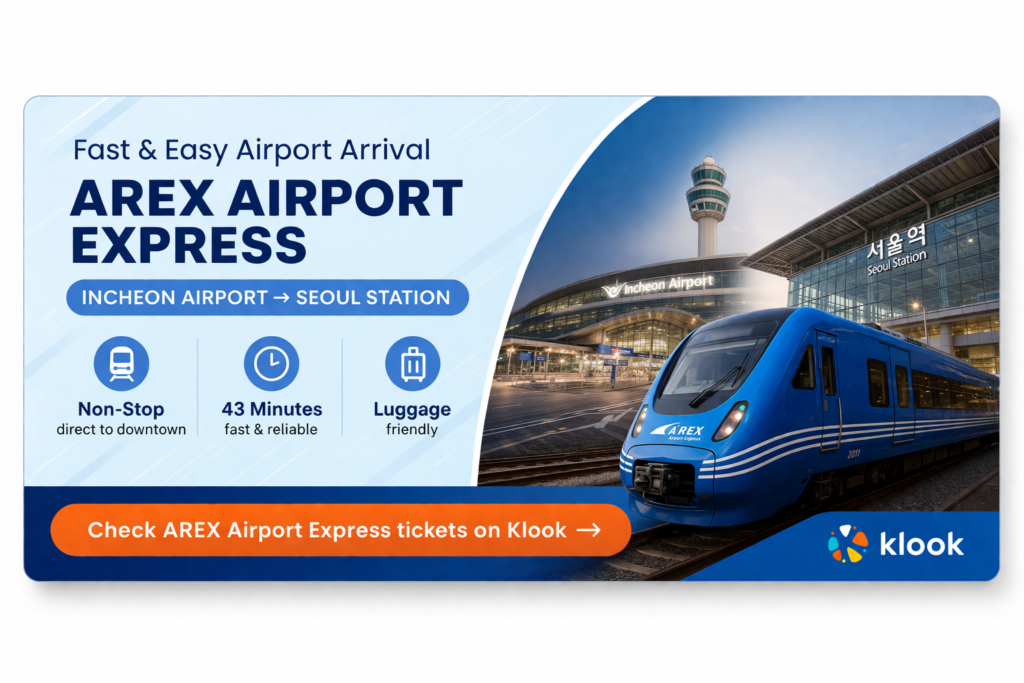
The Airport Railroad Express (AREX) connects Incheon International Airport and Seoul Station.
Stops include Incheon Airport Terminal 1, Terminal 2, Hongdae, and Seoul Station.
Many travelers use this train immediately after arriving in Korea.
Seoul Station Gongdeok Hongik Univ. Digital Media City Magoknaru Gimpo Airport Gyeyang Geomam Cheongna International City Yeongjong Unseo Incheon International Airport Terminal 1 Incheon International Airport Terminal 2
Popular Tourist Stations
Seoul Station – main railway hub with KTX trains Hongik Univ. – access to the Hongdae nightlife and cafe district Gimpo Airport – domestic flights and transfer to Line 9 Incheon Airport Terminal 1 – main international terminal Incheon Airport Terminal 2 – terminal used by Korean Air and major airlines
Express Train (Non-Stop Service)
AREX Express trains run directly between:
Seoul Station
↓
Incheon International Airport Terminal 1
↓
Incheon International Airport Terminal 2
Travel time is approximately 43 minutes.
If you are arriving at Incheon Airport and heading straight into Seoul, the AREX Express Train is one of the fastest and easiest options. It is especially convenient for travelers going to Seoul Station before transferring to the subway.
Book Your AREX Express Train Ticket →
Seoul Subway Transfer Stations Guide
Seoul has one of the most efficient subway systems in the world. Many stations serve as major transfer hubs, allowing travelers to move easily between multiple subway lines and transportation options.
Understanding these transfer stations can make navigating Seoul much easier for visitors.
Seoul Station
Transfer Lines
Line 1
Line 4
AREX (Airport Railroad)
KTX High-Speed Train
Why It Matters
Seoul Station is the main railway hub of South Korea. Travelers can connect here to:
Airport Railroad (AREX)
KTX trains to other cities
Multiple subway lines
City Hall
Transfer Lines
Line 1
Line 2
Nearby Attractions
Deoksugung Palace
Seoul Plaza
Myeongdong shopping district
City Hall is located in the historic center of Seoul and provides easy access to many tourist attractions.
Hongik University (Hongdae)
Transfer Lines
Line 2
Airport Railroad (AREX)
Gyeongui–Jungang Line
Why It’s Popular
Hongdae is one of Seoul’s most vibrant districts known for:
nightlife
street performances
cafes and shopping streets
Gangnam
Transfer Lines
Line 2
Shinbundang Line
Highlights
Gangnam is one of the most famous districts in Seoul and a major business and shopping area.
Nearby attractions include:
COEX Mall
Starfield Library
Gangnam shopping streets
Express Bus Terminal
Transfer Lines
Line 3
Line 7
Line 9
Why Travelers Visit
This station connects several subway lines and is home to the largest underground shopping mall in Seoul.
Wangsimni
Transfer Lines
Line 2
Line 5
Bundang Line
Gyeongui–Jungang Line
Importance
Wangsimni is a major transfer hub in eastern Seoul, connecting several subway and commuter rail lines.
Travel Tip for Visitors
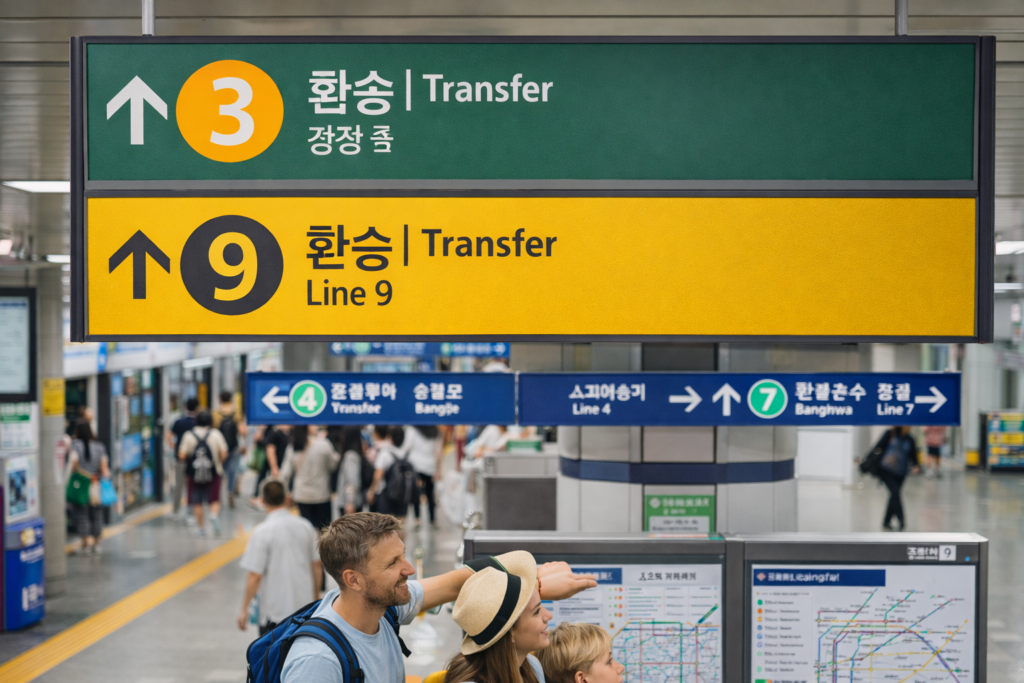
Many transfer stations in Seoul are large underground complexes, but signs are clearly marked in English, Korean, Chinese, and Japanese, making it easier for international visitors to navigate the system.
Most subway transfers usually take 3–8 minutes of walking inside the station, depending on the station size.
If this is your first time using the Seoul subway system, it may be helpful to read our detailed guide on how to use the subway in Seoul.
Traveling around South Korea is much easier when you use the right smartphone apps.
Although Korea has an excellent transportation system, many tourists quickly realize that navigation apps work differently here compared with other countries. Some international apps do not provide full directions, which can make it confusing at first.
Fortunately, several Korean apps make traveling around Seoul and other cities simple and convenient. With the right apps, you can find subway routes, check bus arrival times, call taxis, and navigate the city easily.
This guide explains the most useful transportation apps for tourists visiting Korea.
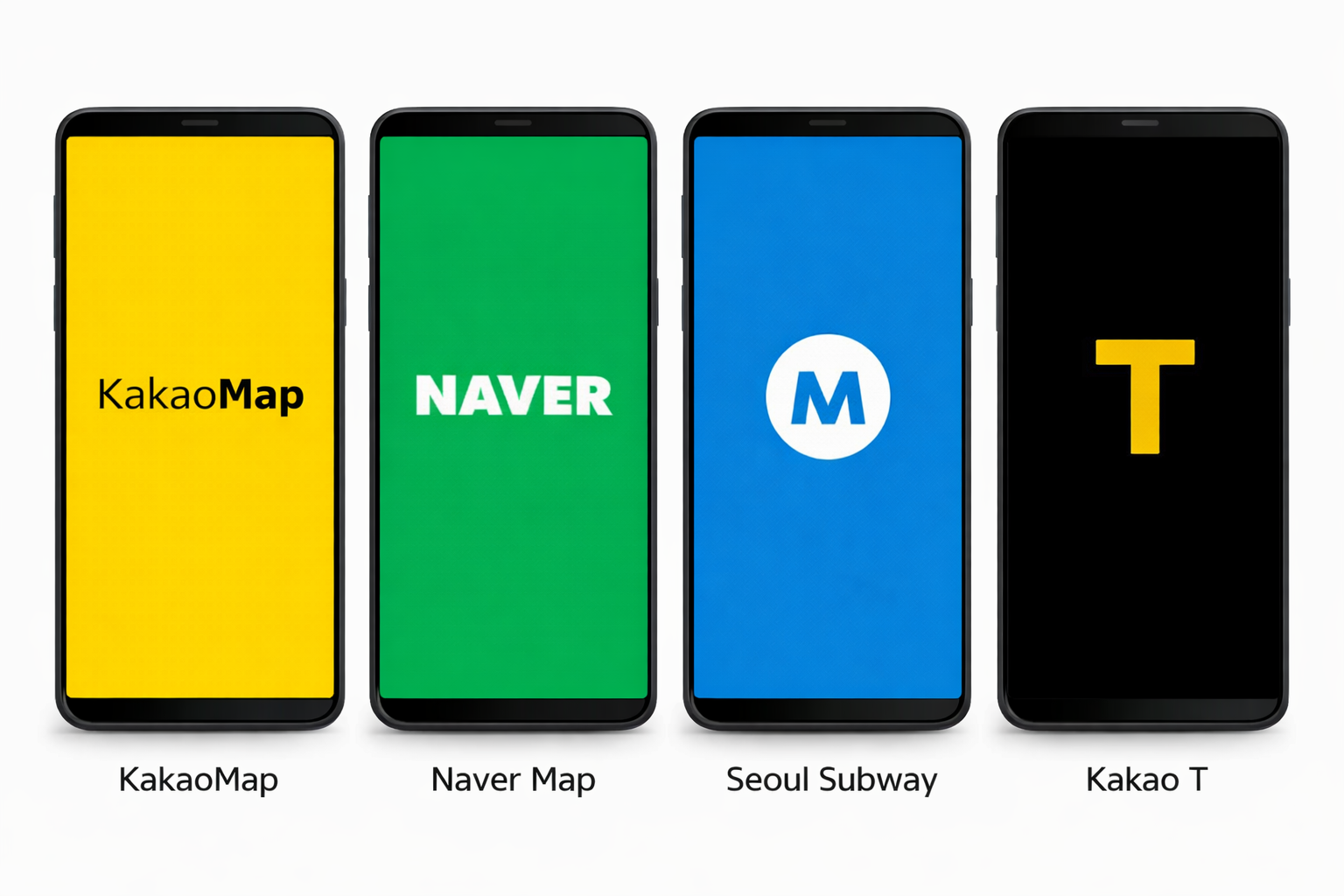
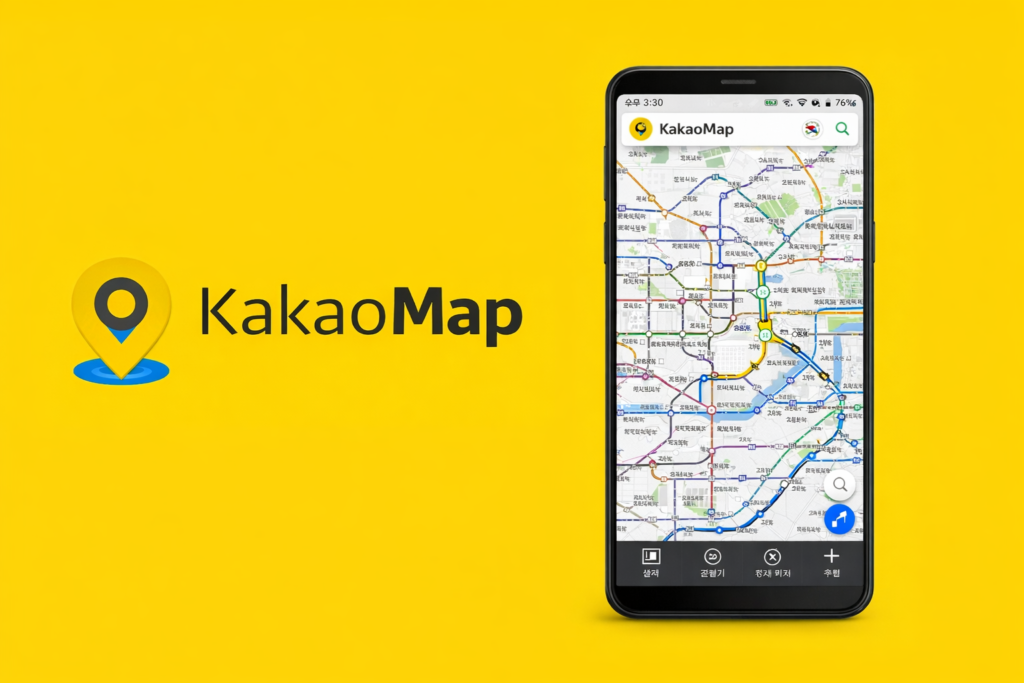
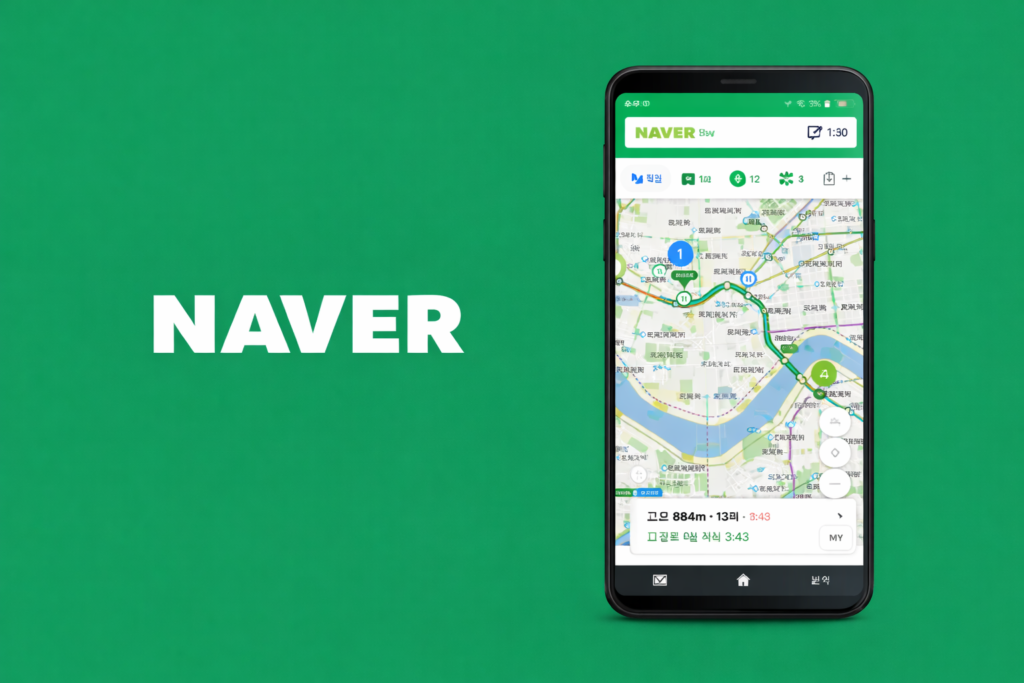
Naver Map is another popular navigation app in Korea.
Like Kakao Map, it provides detailed directions for subway, bus, and walking routes.
Many locals use Naver Map daily because it offers accurate travel time estimates and route suggestions.
Tourists often choose either Kakao Map or Naver Map depending on personal preference.
Both apps work well for navigating Seoul and other major cities.
Tip: To use these navigation apps smoothly without lag, you’ll need a reliable data connection. We recommend picking up a [Discounted Korea 5G SIM/eSIM here] before you arrive at Incheon Airport
Click here to get your Korea eSIM before arrival
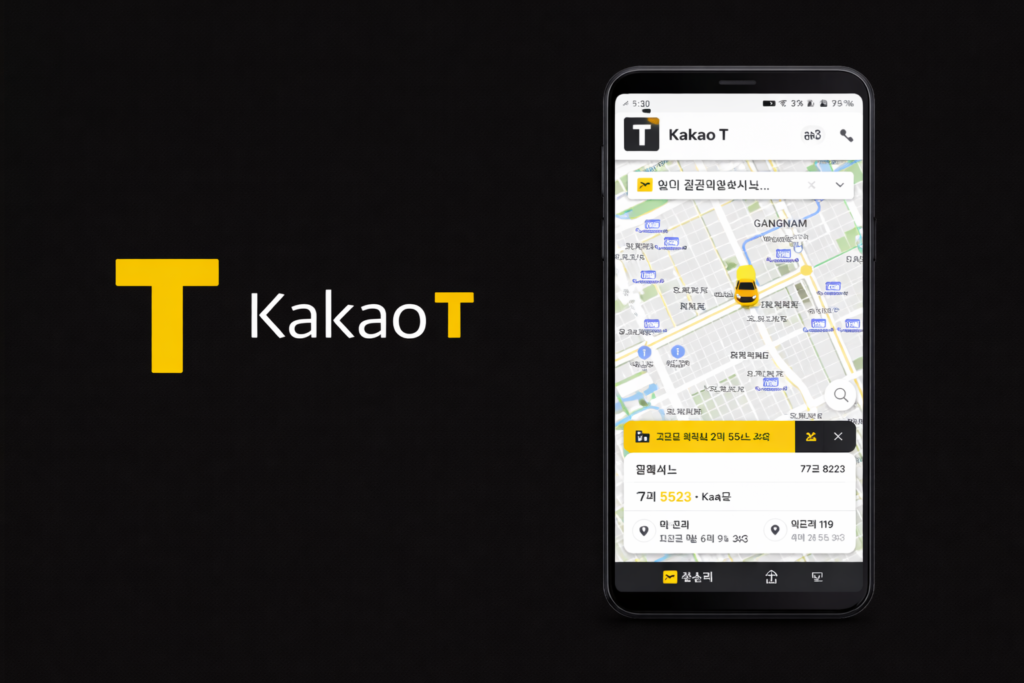
Kakao T (Taxi App)
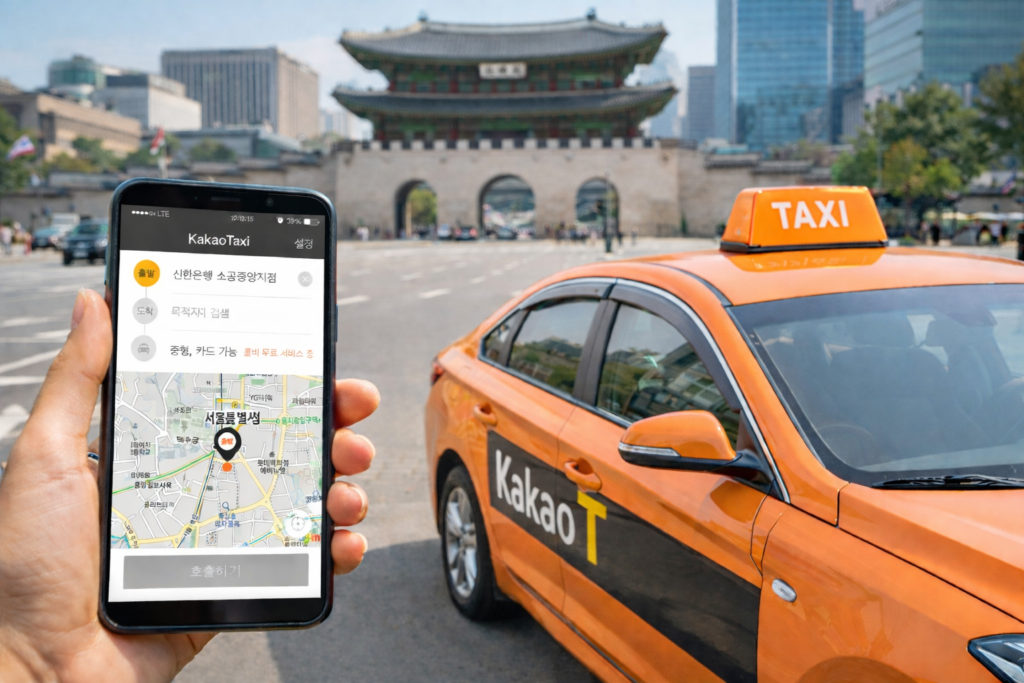
Kakao T is the most widely used taxi app in Korea.
Instead of waiting on the street, you can request a taxi directly through the app.
Benefits of Kakao T include:
easy taxi booking
clear pickup location
route visibility
reduced communication problems
For many foreign visitors, Kakao T is the easiest way to use taxis in Korea.
Tap to book your direct airport train to Seoul Station
Final Thoughts
Korea has one of the most efficient transportation systems in the world, but using the right apps can make your trip much smoother.
With navigation apps like Kakao Map, Naver Map, and Kakao T, tourists can easily find routes, call taxis, and explore cities such as Seoul without difficulty.
Once you understand how to use these apps, getting around Korea becomes simple and convenient.
Taxis in Korea are often one of the easiest and most convenient transportation options for tourists.
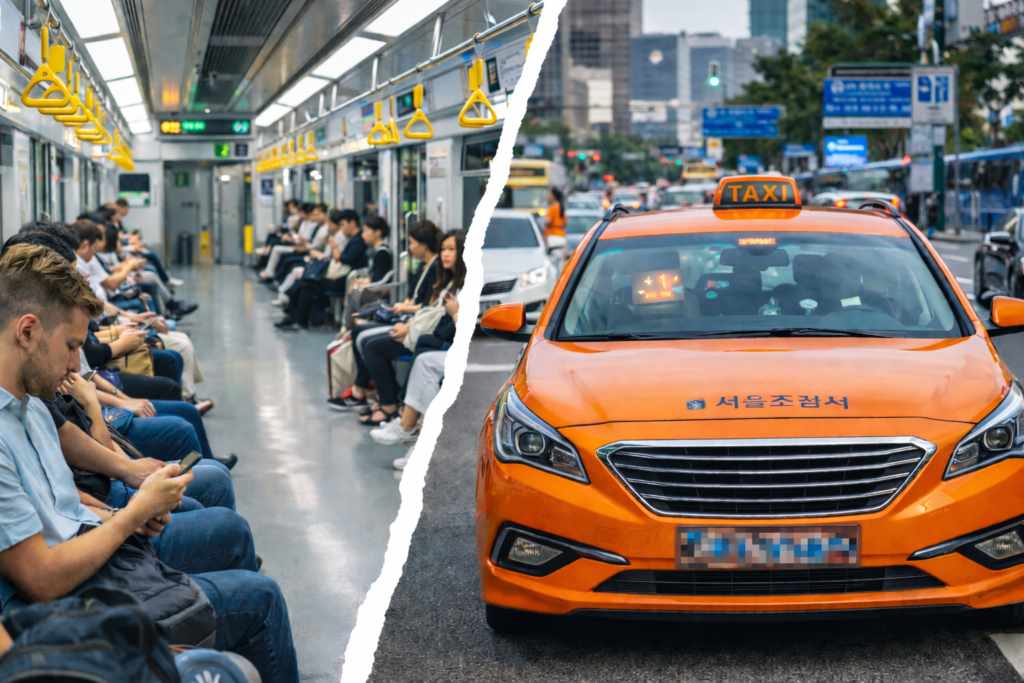
They are especially useful when you have luggage, are traveling late at night, do not want to make subway transfers, or are going somewhere that is not easy to reach by bus or subway.
In major cities such as Seoul, taxis are widely available and generally more affordable than in many other large international cities. For many visitors, taxis become a practical backup option even if public transportation is the main way they travel.
This guide explains how tourists can use taxis in Korea more easily, including taxi apps, fares, payment methods, airport trips, and practical tips for first-time visitors.
Yes. In most cases, taxis in Korea are easy, safe, and convenient to use.
The main challenge for foreign visitors is not usually the taxi itself, but communication, address input, or choosing the best app. Once you understand a few basics, taxi travel in Korea becomes simple.
For many tourists, taxis are the easiest option when they want a direct trip without navigating subway lines or bus routes.
When Should Tourists Use a Taxi in Korea?
Taxis are especially useful in these situations:
when you have luggage
when you are traveling early in the morning or late at night
when your destination is not close to a subway station
when you want to avoid multiple transfers
when you are traveling in a small group
when you want the most direct route
Many tourists use public transportation most of the time and then use taxis for convenience in specific situations.
If you are also learning public transportation, read our How to Use the Seoul Subway as a Tourist (2026 Guide) and How to Take the Bus in Korea as a Foreigner.
Are Taxis Expensive in Korea?
In general, taxis in Korea are more expensive than buses or subways, but still reasonable compared with taxi prices in many other countries.
For short and medium city rides, taxi costs are often manageable for tourists, especially if two or more people are sharing the fare. This makes taxis a practical option when convenience matters more than saving the maximum amount of money.
Yes. Kakao T is one of the most widely used taxi apps in Korea and is very useful for both locals and tourists.
It helps with:
booking a taxi
setting your pickup location
entering your destination
reducing communication problems
seeing estimated routes and trip details
For many foreign visitors, Kakao T is the easiest way to use taxis more confidently in Korea.
📶 Stay Connected for a Stress-Free Ride! To call a taxi and track your driver’s location in real-time, a reliable data connection is a must. Get your Saily eSIM for instant activation and high-speed data across Korea. Get Your Saily eSIM (Instant Activation) →
Check South Korea eSIM options with Saily
What About Uber in Korea?
Uber’s role in Korea can be different from what travelers expect in some other countries.
In practice, many visitors in Korea rely more on Kakao T than Uber. That is why tourists should not assume the taxi app experience will be exactly the same as in other countries.
The safest approach is to prepare Kakao T first and treat other ride options as secondary if needed.
How to Take a Taxi in Korea Step by Step
Using a taxi in Korea is easier when you think of it as a simple process.
1. Decide whether a taxi is the best option
If the subway or bus is clearly easier and cheaper, use that.
If you need convenience, direct travel, or late-night transport, a taxi may be the better choice.
2. Prepare your destination
It is helpful to have your destination ready in Korean or saved in a map app.
This can reduce confusion and make the trip smoother.
3. Choose how to get the taxi
You can usually:
hail one on the street where allowed
use Kakao T
take one from a taxi stand
use a taxi at the airport or station
4. Confirm the ride
Before leaving, make sure the taxi is available and that the driver understands the destination.
5. Ride to your destination
During the ride, watch your route in a map app if it helps you feel more confident.
6. Pay at the end
Use cash, card, or another accepted method.
Always check that you have your belongings before getting out.
Is It Better to Take a Taxi from Incheon Airport?
That depends on your budget, luggage, and arrival time.
A taxi may be better when:
you arrive very late or very early
you have heavy luggage
you are traveling with family
you want a direct ride to your hotel
Public transportation may be better when:
you want the most affordable option
your hotel is easy to reach by airport rail or bus
you are comfortable navigating transfers
If you want a simpler airport arrival, many travelers also compare airport train and transfer options before leaving the airport.
Check Incheon Airport transfer and AREX options on Klook
Yes. In general, taxis in Korea are considered safe and widely used.
As with any country, tourists should stay aware of their belongings and use normal travel caution. But overall, many visitors find Korean taxis safe, efficient, and easy to use.
Taxis in Korea are one of the easiest transportation options for tourists, especially when convenience matters more than cost.
They are useful for airport arrivals, hotel transfers, late-night trips, and direct rides across the city. While public transportation is excellent in Korea, taxis are often the best choice when you want simplicity and comfort.
For most visitors, the smartest approach is to use the subway and buses most of the time, then use taxis when they make the trip easier.
Taking the bus in Korea may seem confusing at first, especially for first-time visitors.
Unlike the subway, buses can feel less predictable because routes, stops, and boarding procedures may vary depending on the city. However, once you understand the basics, buses become a useful and affordable way to travel in Korea.
For tourists and foreign visitors, buses are especially helpful when a destination is not close to a subway station. They are widely used, relatively inexpensive, and available almost everywhere in major cities.
This guide explains how foreigners can use buses in Korea more easily, including bus types, fares, payment methods, boarding tips, and practical advice for first-time travelers.
Yes, but they are usually a little less intuitive than the subway at first.
The subway is often easier because it is more visual and easier to follow line by line. Buses require more attention to route numbers, stop names, and direction. Still, many foreigners use Korean buses successfully after only a short adjustment period.
Once you understand the main bus types and how to pay, buses become much easier to use.
Why Tourists Should Use Buses in Korea
Buses are useful for several reasons.
They reach places that are not close to subway stations.
They are usually affordable.
They can help reduce walking time.
They are practical for short city trips.
They are often useful when visiting neighborhoods, hotels, and local areas outside main subway routes.
For many visitors, the best approach is to use the subway for major routes and buses for more specific local travel.
If you are also learning the subway system, read our How to Use the Seoul Subway as a Tourist (2026 Guide).
How Much Does the Bus Cost in Korea?
Bus fares in Korea are generally affordable.
In many cities, the price depends on distance and bus type, but most local bus rides are inexpensive compared with taxis. This makes buses a practical option for tourists who want to save money while moving around the city.
You do not absolutely need one, but it is highly recommended.
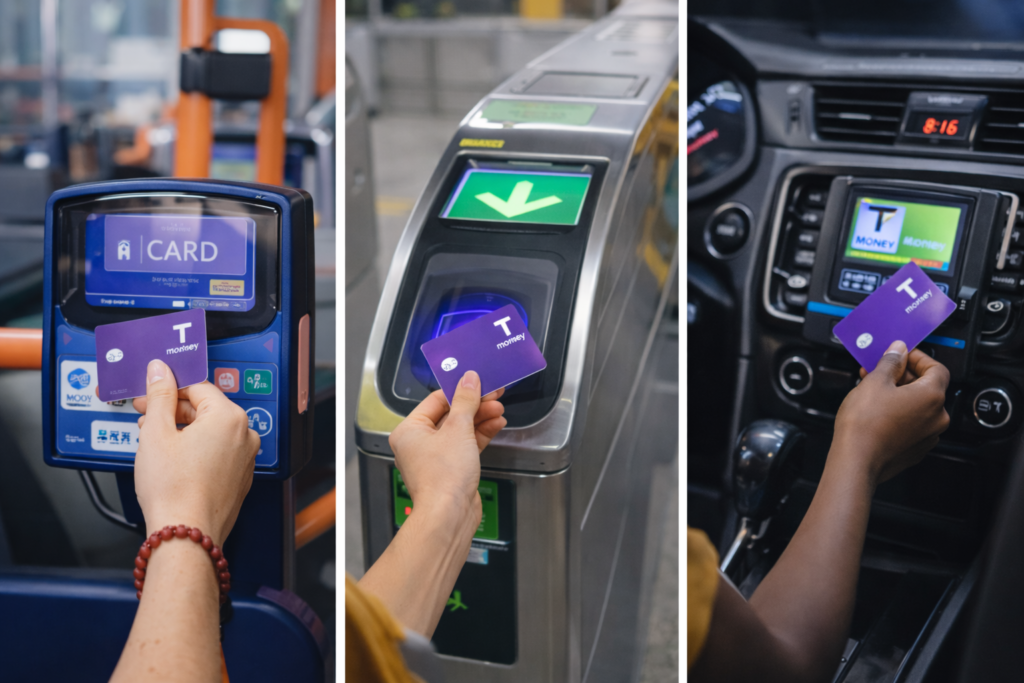
A T-Money card makes bus travel much easier because you can tap when boarding and, in many cases, tap again when getting off. It is faster and more convenient than handling individual tickets or cash situations.
T-Money also works well across buses, subways, and many taxis, which is why many tourists buy one early in their trip.
If you want an easier start in Korea, many travelers also check useful travel cards and transport-friendly passes before their trip.
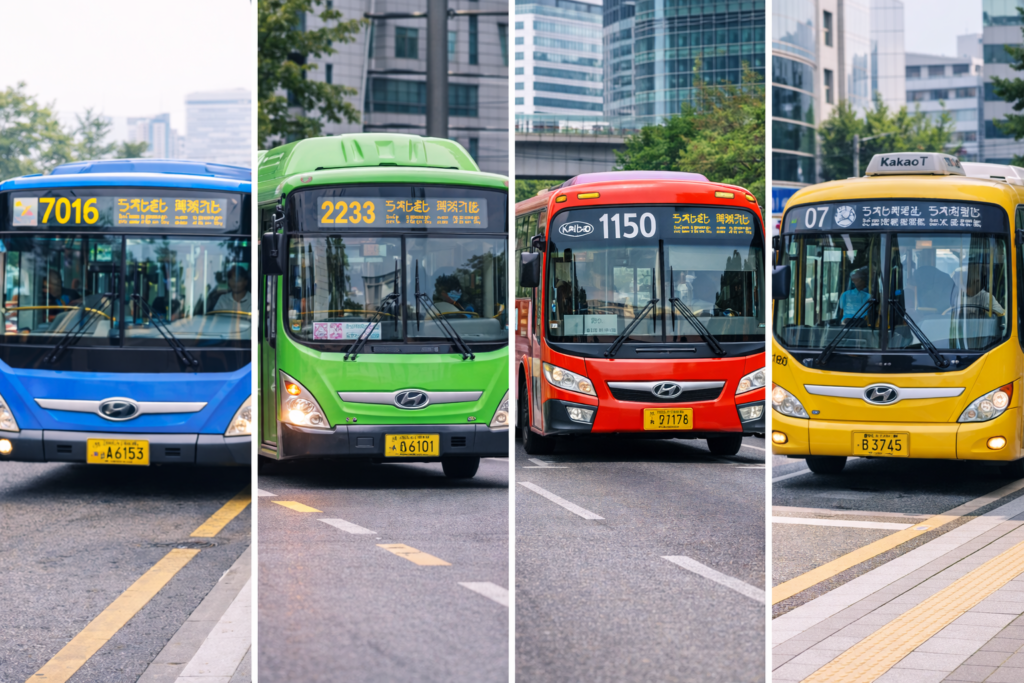
Bus systems vary by city, but in Seoul, bus colors usually help indicate the type of route.
Blue buses
Blue buses usually run on longer routes connecting major districts.
Green buses
Green buses often connect neighborhoods to subway stations or major transfer points.
Red buses
Red buses are commonly used for longer-distance commuter routes, including routes between Seoul and nearby suburban areas.
Yellow buses
Yellow buses usually operate shorter circular or local routes in certain districts.
Tourists do not need to memorize everything, but understanding that colors reflect route type can make the system easier to read.
How to Take the Bus in Korea Step by Step
Taking the bus becomes much easier when you think of it as a simple sequence.
1. Check the route before leaving
Use a map or navigation app to confirm:
the bus number
the correct stop
the direction of travel
where to get off
Bus apps, navigation apps, and translation tools work much better when you have mobile data from the moment you arrive.
Check South Korea eSIM options with Saily
2. Go to the correct bus stop
Make sure you are standing at the right stop and checking the right route number.
Buses with similar numbers may go to different places, so always confirm carefully.
3. Board through the correct door
In many Korean city buses, passengers usually board through the front door.
4. Tap your T-Money card
Tap your card when boarding.
In many systems, you should also tap again when getting off to make sure the correct fare is calculated.
5. Watch for your stop
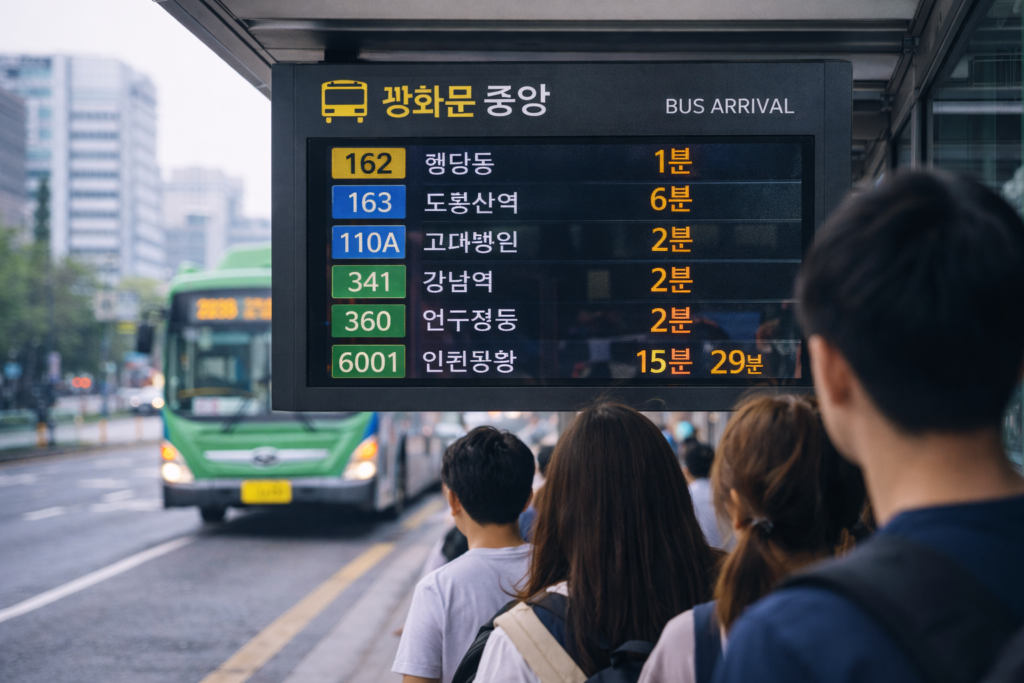
Use an app, onboard displays, or bus stop announcements to know when your stop is coming.
6. Press the stop button
When your stop is near, press the stop button inside the bus.
7. Exit carefully
Many buses use the rear door for exiting. Pay attention to local flow and signs.
Is It Better to Use the Bus or the Subway?
That depends on your destination.
The subway is usually better when:
you want the simplest and fastest route between major areas
you want easier navigation
you want to avoid road traffic
The bus is usually better when:
your destination is not near a subway station
you want to reduce walking
you are traveling within local neighborhoods
the bus route is more direct than the subway route
In practice, many tourists use both depending on the day’s route.
Tips for Foreigners Using Buses in Korea
A few simple tips can make bus travel much easier.
Check the route carefully before leaving.
Have your T-Money card ready before boarding.
Pay attention to direction, not just bus number.
Press the stop button a little before your stop.
Tap out if required.
Do not panic if you miss a stop. It is usually easy to adjust with an app.
Use buses for local convenience, not just long city travel.
These habits help foreign travelers feel much more confident using Korean buses.
Are Korean Buses Safe?
Yes. In general, buses in Korea are considered safe, widely used, and reliable.
As in any country, you should stay aware of your belongings and be careful when boarding or exiting quickly. But overall, most tourists find buses safe and practical to use.
Using the bus in Korea may feel slightly more confusing than using the subway at first, but it becomes much easier once you understand the basics.
For foreigners and tourists, buses are a useful way to reach places that are not directly connected to subway lines. With a T-Money card, a map app, and a little attention to route direction, bus travel in Korea becomes simple and affordable.
For many visitors, the best method is to combine subway travel for major routes with buses for local destinations.
The Seoul subway is one of the easiest and most efficient ways to get around the city.
For most tourists, it is the fastest way to travel between major attractions, shopping districts, train stations, and neighborhoods. It is clean, affordable, reliable, and widely used every day.
At first, the subway map may look complicated. But once you understand the basic system, using the Seoul subway becomes much easier than many first-time visitors expect.
If you want to understand the subway lines and major transfer points more clearly, you may also want to read our Seoul Subway Map Guide for Tourists.
This guide explains how tourists can use the Seoul subway in a simple way, including fares, T-Money cards, transfers, navigation tips, and practical advice for first-time visitors.
If you are planning transportation in Korea more broadly, read our Transportation in Korea: Complete Guide for Tourists.
Is the Seoul Subway Easy for Tourists?
Yes. In general, the Seoul subway is very tourist-friendly.
Many stations include English station names, line numbers, and transfer signs. Ticket machines often provide English options, and navigation apps make route planning much easier than before.
For most visitors, the biggest challenge is not safety or cost. It is simply getting familiar with the system during the first day or two.
Once you ride it a few times, the subway usually becomes the most convenient transportation option in Seoul.
Why Tourists Use the Seoul Subway
The Seoul subway is popular with tourists for several reasons.
It is usually faster than city traffic.
It is cheaper than taking taxis for most daily trips.
It connects many of Seoul’s main tourist areas.
It is easy to combine with a T-Money card.
It is a practical way to travel without worrying about parking or road traffic.
For many travelers, the subway becomes the main transportation method during the trip.
How Much Does the Seoul Subway Cost?
The Seoul subway is generally affordable.
The exact fare depends on distance, but most short city rides are inexpensive compared with taxi fares. For tourists staying several days, subway travel is usually one of the best ways to keep transportation costs low.
You do not absolutely need one, but in most cases, yes, it is highly recommended.
A T-Money card makes subway travel much easier because you can tap in and out quickly instead of buying a single ticket every time. It also works on buses and many taxis, which makes it one of the most useful cards for tourists in Korea.
If you want an easier start in Seoul, many travelers also check transport-friendly tourist cards and passes before their trip.
Check Seoul travel cards and passes on Klook
How to Use the Seoul Subway Step by Step
Using the subway in Seoul is easier when you think of it as a simple step-by-step process.
1. Check your route before leaving
Before going to the station, check your destination with a map app or subway app.
This helps you see:
which line to take
how many stops you need
whether you need to transfer
which station exit is best
2. Enter the station
Follow the subway signs and find the right line number and direction.
Seoul subway lines are marked by colors and numbers, which helps tourists understand the system more easily.
3. Tap your T-Money card or buy a ticket
If you have a T-Money card, tap it at the gate.
If not, buy a single ticket at the station machine.
4. Confirm the platform direction
This is important for first-time visitors.
Make sure you are entering the correct platform direction, not just the correct line. Always check the final destination shown on the signs.
5. Ride to your stop
Inside the train, station names are usually shown on digital screens and announced in multiple languages on many routes.
6. Transfer if needed
If your route includes another line, follow the transfer signs inside the station.
7. Exit at the correct station and exit number
In Seoul, exit numbers matter a lot.
The correct exit can save you walking time and make it much easier to reach attractions, hotels, restaurants, or shopping areas.
How to Transfer Between Lines
Transfers are common in Seoul and are usually well marked.
Inside transfer stations, signs will guide you to the next line. Some transfers are very easy and short, while others involve more walking, especially at large stations.
Do not panic if the station feels big. Just follow the line color, line number, and directional signs carefully.
For first-time tourists, checking the transfer route on an app before boarding helps a lot.
Best Apps for Using the Seoul Subway
Using an app makes the subway much easier.
Tourists often rely on navigation tools to:
choose the fastest route
check transfer stations
estimate travel time
find the best station exit
This is especially useful if you are also trying to coordinate airport arrival, hotel check-in, or other travel plans.
Subway apps, navigation apps, and translation tools work much better when you have mobile data from the moment you arrive.
A few simple habits can make your first subway experience much easier.
Buy a T-Money card early in your trip.
Check your route before entering the station.
Pay attention to platform direction, not just line number.
Use exit numbers carefully.
Avoid rush hour if you prefer a more comfortable ride.
Keep your card balance topped up.
Give yourself extra time on the first day until the system feels familiar.
These small steps can make a big difference.
Is the Seoul Subway Safe?
Yes. The Seoul subway is generally considered safe, clean, and well organized.
Like in any major city, you should still pay attention to your belongings and stay aware of your surroundings, especially in crowded areas. But overall, most tourists find it safe and comfortable to use.
The Seoul subway may look complex at first, but it is one of the easiest subway systems for tourists to learn.
Once you understand the basics, it becomes one of the most affordable, efficient, and convenient ways to move around Seoul. For most visitors, learning how to use the subway early in the trip makes everything else easier.
If this is your first time in Korea, start by learning your airport route, get a T-Money card, and check your first subway route in advance. After that, the system becomes much easier to use.
Getting around South Korea is easier than many first-time visitors expect.
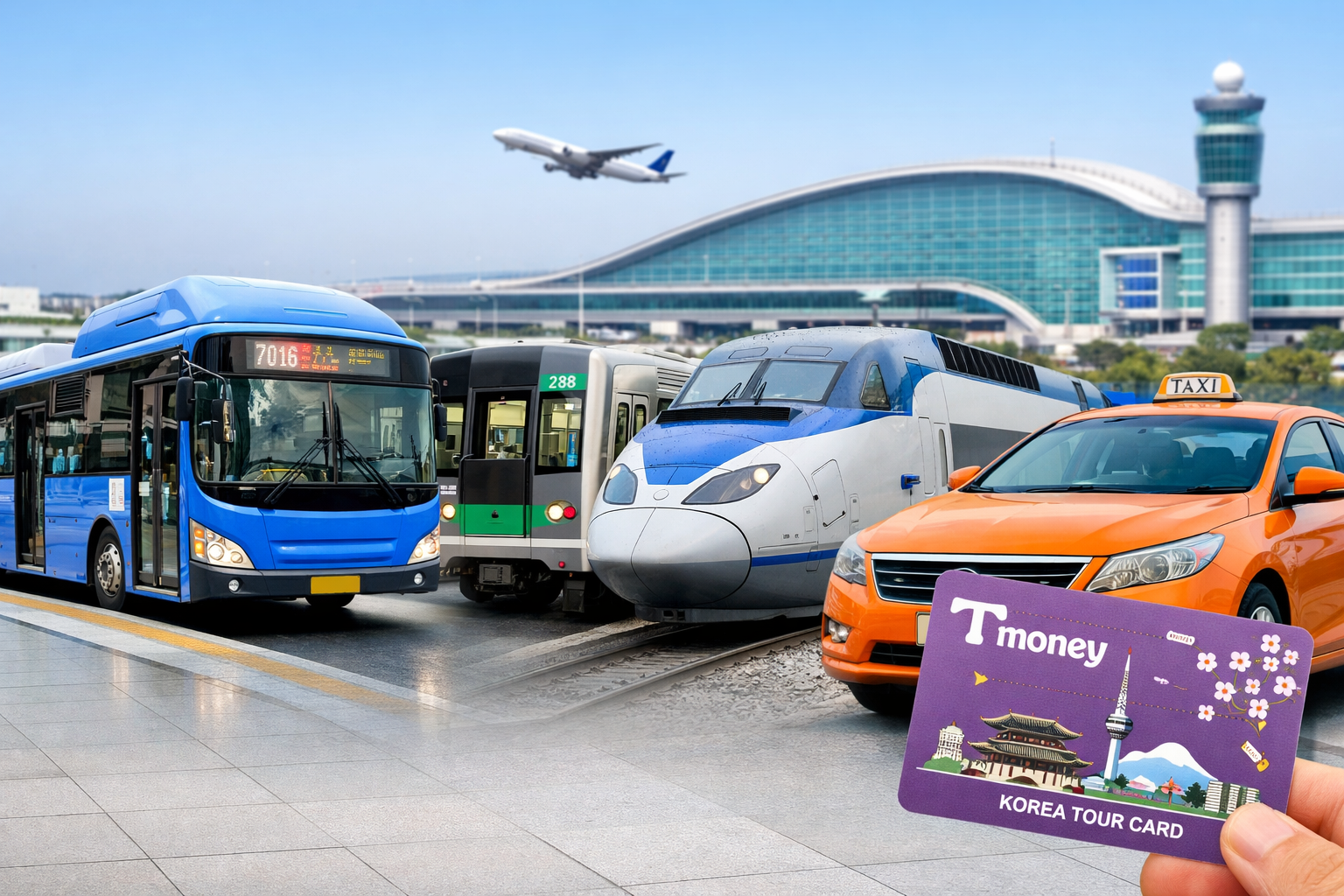
Public transportation is clean, affordable, safe, and widely used by both locals and tourists. In most cases, you can travel smoothly by combining the subway, buses, taxis, and a rechargeable T-Money card.
This guide explains the main transportation options in Korea and helps you choose the best one for your trip.
Whether you are arriving at Incheon Airport, staying in Seoul, or planning to travel around the country, this page will help you understand how transportation in Korea works.
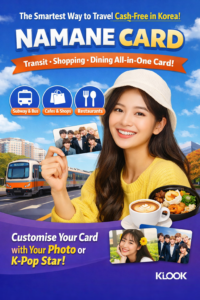
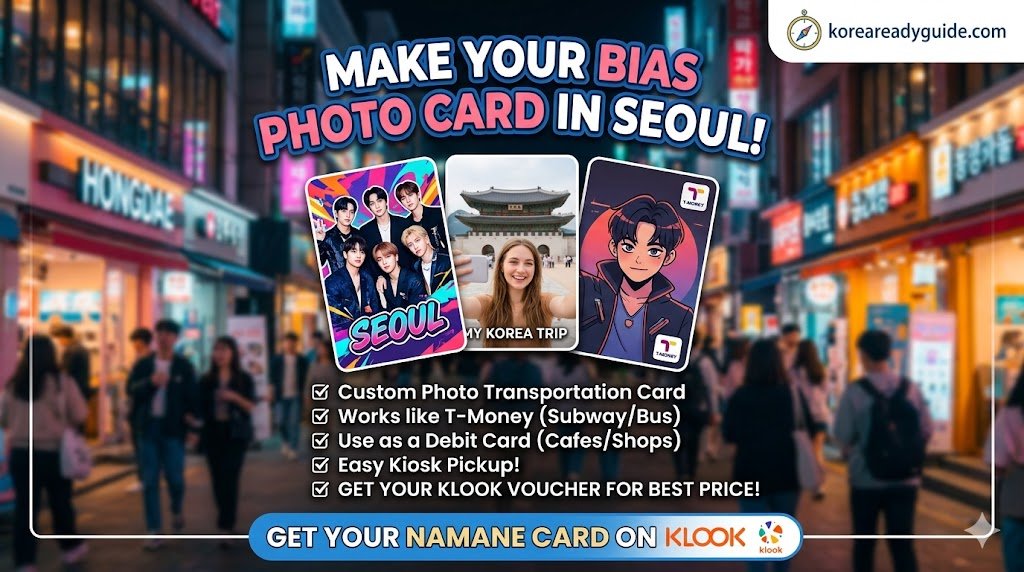
[Editor’s Pick] 💳 The Smartest Way to Travel Cash-Free in Korea! Don’t just get a standard transit card. NAMANE Card is an all-in-one card for subways, buses, cafes, and restaurants. Plus, you can customize it with your favorite photo or K-pop artist! [Create & Reserve Your Custom NAMANE Card ]
Quick Answer: What Is the Best Way to Get Around Korea?
For most tourists, the best way to get around Korea is:
Subway for fast city travel
Bus for local areas not directly connected by subway
Taxi for convenience, late-night travel, or short trips with luggage
T-Money card for easy payment on public transportation
If you are arriving in Seoul for the first time, you will probably use a combination of airport rail, subway, bus, and taxi during your stay.
Main Transportation Options in Korea
South Korea offers several transportation choices for tourists.
1. Subway
The subway is usually the easiest and fastest way to travel in major cities, especially Seoul.
It is affordable, reliable, and available in English in most stations. For many visitors, the subway becomes the main transportation method during the trip.
2. Bus
Buses are useful when your destination is not close to a subway station.
They are also cheap and widely available, but some tourists find them slightly harder to understand at first than the subway.
3. Taxi
Taxis are convenient, especially when you have luggage, travel late at night, or want a direct ride.
Taxi fares in Korea are generally more affordable than in many major global cities, though they are still more expensive than public transportation.
4. T-Money Card
The T-Money card is one of the most useful things a tourist can buy in Korea.
It can be used on subways, buses, and many taxis, making everyday transportation much easier.
Start Here: Transportation Guides for Tourists
Use these guides depending on what you need.
Airport Transfer
If you are arriving in Korea and need to get to Seoul first, start here:
How to Get from Incheon Airport to Seoul (2026 Guide)
This guide explains the main airport transfer options, including train, bus, and taxi.
If you want a faster and easier airport arrival, many travelers choose the AREX Airport Express from Incheon Airport to Seoul Station.
Taxi apps like Kakao T, navigation apps, and translation tools are much easier to use when you have mobile data from the moment you arrive.
Check South Korea eSIM options with Saily
Is Public Transportation in Korea Easy for Foreign Tourists?
Yes. In general, South Korea is one of the easiest countries in Asia for tourists to use public transportation.
Why it is easy:
stations are modern and organized
subway signs often include English
transportation is relatively affordable
major cities have excellent coverage
ride apps and navigation apps are widely used
That said, first-time visitors may still need a little time to understand subway exits, bus stops, and payment methods.
Should You Buy a T-Money Card?
Yes, in most cases.
A T-Money card is highly recommended because it makes transportation more convenient. Instead of buying single tickets repeatedly, you can tap in and out on subways and buses quickly.
For most tourists staying several days, buying a T-Money card is worth it.
Subway, Bus, or Taxi: Which One Should You Use?
The best choice depends on your situation.
Use the subway for speed and low cost
Use the bus when the subway does not reach your destination well
Use a taxi when carrying luggage, traveling late, or saving time
Use a T-Money card whenever possible for smoother travel
For many travelers, the most practical combination is subway + T-Money card + occasional taxi.
Transportation Tips for First-Time Visitors
Buy a T-Money card early in your trip
Keep some balance on the card for easy transfers
Check your route before leaving with a map app
Use taxis when carrying luggage or traveling late at night
Plan airport transportation in advance, especially on arrival day
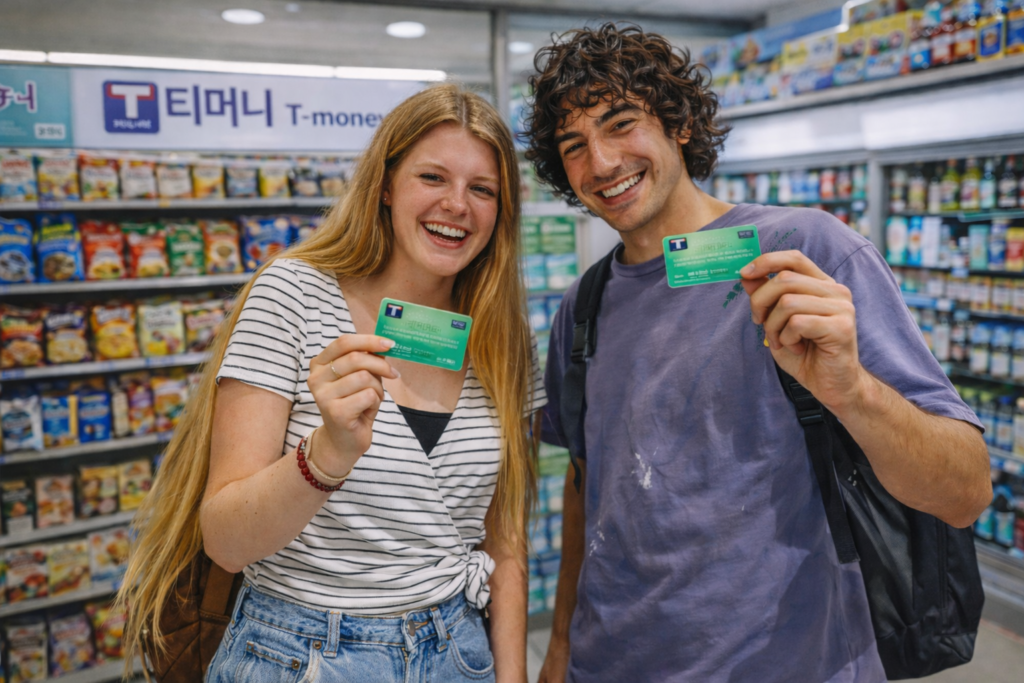
If you are traveling to South Korea, the T-Money card is one of the most useful things you can have.
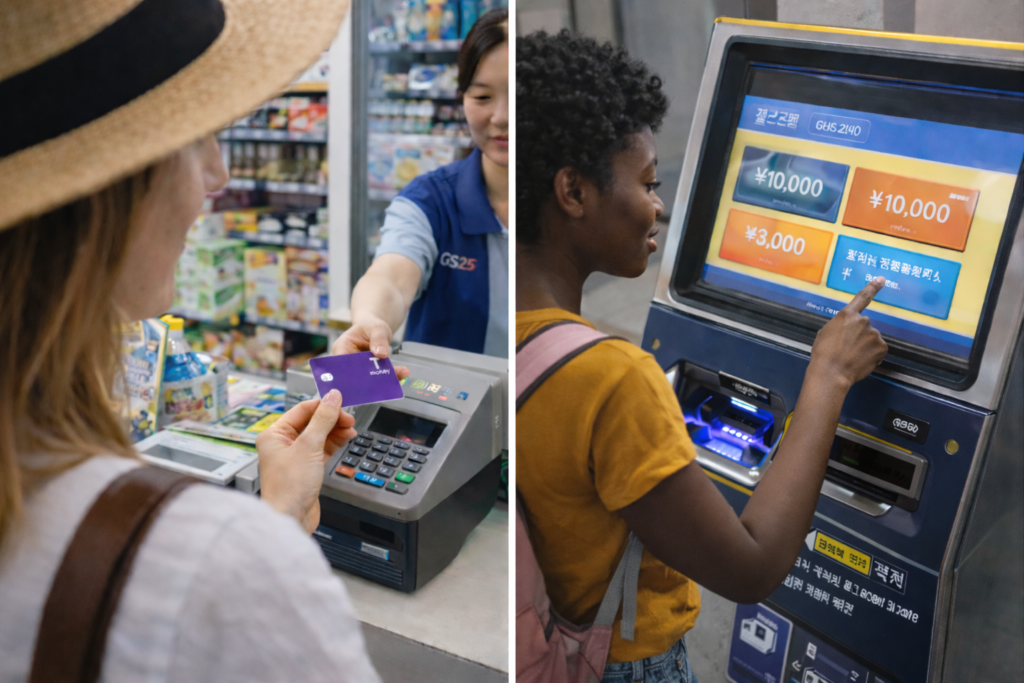
It allows you to pay for subways, buses, taxis, and even convenience store purchases with a single card.
Most travelers use their phones to navigate Seoul’s subway system, check bus routes, and find nearby stations. Because of this, reliable mobile internet is very helpful while using public transportation. If you are unsure which option to choose, read our guide: SIM vs eSIM for South Korea in 2026
This guide explains everything tourists need to know about the T-Money transportation card in Korea.
What Is a T-Money Card?
The T-Money card is a rechargeable transportation card used across South Korea.
It works on:
Subways
City buses
Airport buses
Some taxis
Convenience stores
Instead of buying a ticket each time, you simply tap the card when entering and leaving transportation.
Where to Buy a T-Money Card
Tourists can easily purchase a T-Money card in several places.
For most travelers, it makes transportation in Korea much easier.
Transportation in Seoul is relatively affordable compared to many major cities. If you want to understand the full travel budget including flights, hotels, food, and transportation, read our guide: How Much Does a Trip to South Korea Cost in 2026?
T-Money vs Single Tickets
Single subway tickets require purchasing a ticket each time.
With T-Money:
No need to stand in ticket lines
Faster transfers between subway and bus
Automatic fare calculation
For trips longer than one day, T-Money is the better option.
Beyond Basic T-Money: Create Your Own “NAMANE” Card
While the standard T-Money card is a great choice, many travelers in 2026 are opting for the NAMANE Card. If you want a functional transportation card that also serves as a personalized souvenir, this is the perfect option for you.
Why Choose a NAMANE Card?
Customizable Design: You can print your own photos—like your favorite K-pop artist, a pet, or a travel selfie—directly onto the front of the card.
Dual Function: It works as a T-Money transportation card and a prepaid debit card that can be used at cafes, restaurants, and shopping malls across Korea.
Manage via App: You can check your balance and top up instantly using the NAMANE mobile app.
How to Get Your NAMANE Card
To avoid long lines at kiosks, we recommend purchasing a digital voucher in advance. It’s cheaper and ensures instant confirmation.
Design Your Card: Download the NAMANE app and upload your photo before you arrive.
Print at the Kiosk: Print at the Kiosk: Scan your Klook voucher QR code at any NAMANE kiosk (found at Incheon Airport, Seoul Station, and major tourist spots) to get your physical card in seconds.
The Ultimate Travel Hack: Discover Seoul Pass (2026)
If you are planning to visit major attractions like Lotte World, N Seoul Tower, or Gyeongbokgung Palace, the Discover Seoul Pass is one of the smartest sightseeing options for foreign tourists.
Why is it a game changer?
Free entry to 50+ attractions
Includes T-money functionality on the physical pass
Extra perks such as airport rail or city travel benefits depending on the product version
3. Pick up the physical pass or use the mobile version depending on your booking option
4. Start visiting attractions and using the pass right away
Don’t pay full price for every attraction. Check Discover Seoul Pass prices on Klook before your trip.
Final Tip for Travelers
If you plan to travel around Seoul or other major cities, buying a T-Money card on your first day is highly recommended.
It will save time and make navigating Korea’s transportation system much easier.
Although South Korea is considered a very safe destination, unexpected situations such as illness, lost luggage, or travel delays can still happen. Before traveling, it is a good idea to understand your coverage options. Read our complete guide: Travel Insurance for South Korea – Complete 2026 Guide.